Persistent throat discomfort, difficulty swallowing, or unexplained changes in the voice may sometimes indicate an underlying condition that requires medical attention. In certain cases, these symptoms may be associated with pharyngeal cancer, a condition that develops in the throat region behind the nose and mouth.
Early diagnosis and timely treatment play an important role in improving outcomes for patients with pharyngeal cancer. At Max Hospitals, patients benefit from advanced diagnostic technologies, multidisciplinary oncology teams, and personalised treatment approaches designed to address cancers of the throat with precision and comprehensive care.
What is Pharyngeal Cancer?
Pharyngeal cancer refers to cancer that develops in the pharynx, the hollow muscular tube located behind the nose and mouth that connects to the oesophagus and the larynx (voice box). The pharynx plays an important role in breathing, swallowing food, and speaking, which means that cancers arising in this region can affect several essential daily functions.
The pharynx is divided into three main parts, and cancer can develop in any of these areas:
- Nasopharynx – the upper part of the throat located behind the nose
- Oropharynx – the middle part of the throat, including the tonsils, base of the tongue, and soft palate
- Hypopharynx – the lower portion of the throat that connects to the oesophagus
Most pharyngeal cancers begin in the thin, flat cells lining the throat, known as squamous cells. Because the early stages may cause only mild or vague symptoms, such as a persistent sore throat or difficulty swallowing, the condition may not always be recognised immediately.
However, when identified early, pharyngeal cancer can often be treated effectively. Advances in modern oncology, imaging, and minimally invasive surgery have significantly improved the ability to diagnose and treat cancers of the throat while preserving important functions like speech and swallowing.
Pharyngeal Cancer Causes
Pharyngeal cancer develops when the cells lining the throat undergo genetic changes that disrupt normal cell growth and repair processes. These changes cause cells to multiply uncontrollably, forming a tumour that may gradually invade nearby tissues or spread to lymph nodes in the neck.
Most pharyngeal cancers begin in the squamous cells, which are the thin, flat cells that form the inner lining of the throat. Damage to the DNA within these cells can interfere with the mechanisms that normally regulate cell division and cell death, allowing abnormal cells to survive and accumulate over time.
Several biological processes can lead to these genetic alterations:
- DNA Damage from Harmful Substances: Repeated exposure of the throat lining to carcinogenic substances can damage cellular DNA. Over time, this damage may prevent cells from functioning normally, increasing the likelihood of uncontrolled growth.
- Viral Infection Affecting Cellular Behaviour: Certain viruses can interfere with the normal regulation of cell growth. For example, specific strains of human papillomavirus (HPV) are known to alter the genetic material within throat cells, which may eventually trigger cancer development.
- Chronic Inflammation of Throat Tissues: Persistent irritation or inflammation of the throat lining can cause repeated cycles of tissue damage and repair. Over time, this continuous cellular turnover increases the chance of errors occurring in the genetic material of the cells.
- Accumulation of Genetic Mutations Over Time: Cancer often develops gradually as multiple genetic mutations build up in throat cells. These mutations can affect genes responsible for controlling cell division, repairing damaged DNA, or eliminating abnormal cells
Although these cellular changes are responsible for the development of pharyngeal cancer, several external and lifestyle-related factors can increase the likelihood of these processes occurring.
Pharyngeal Cancer Risk Factors
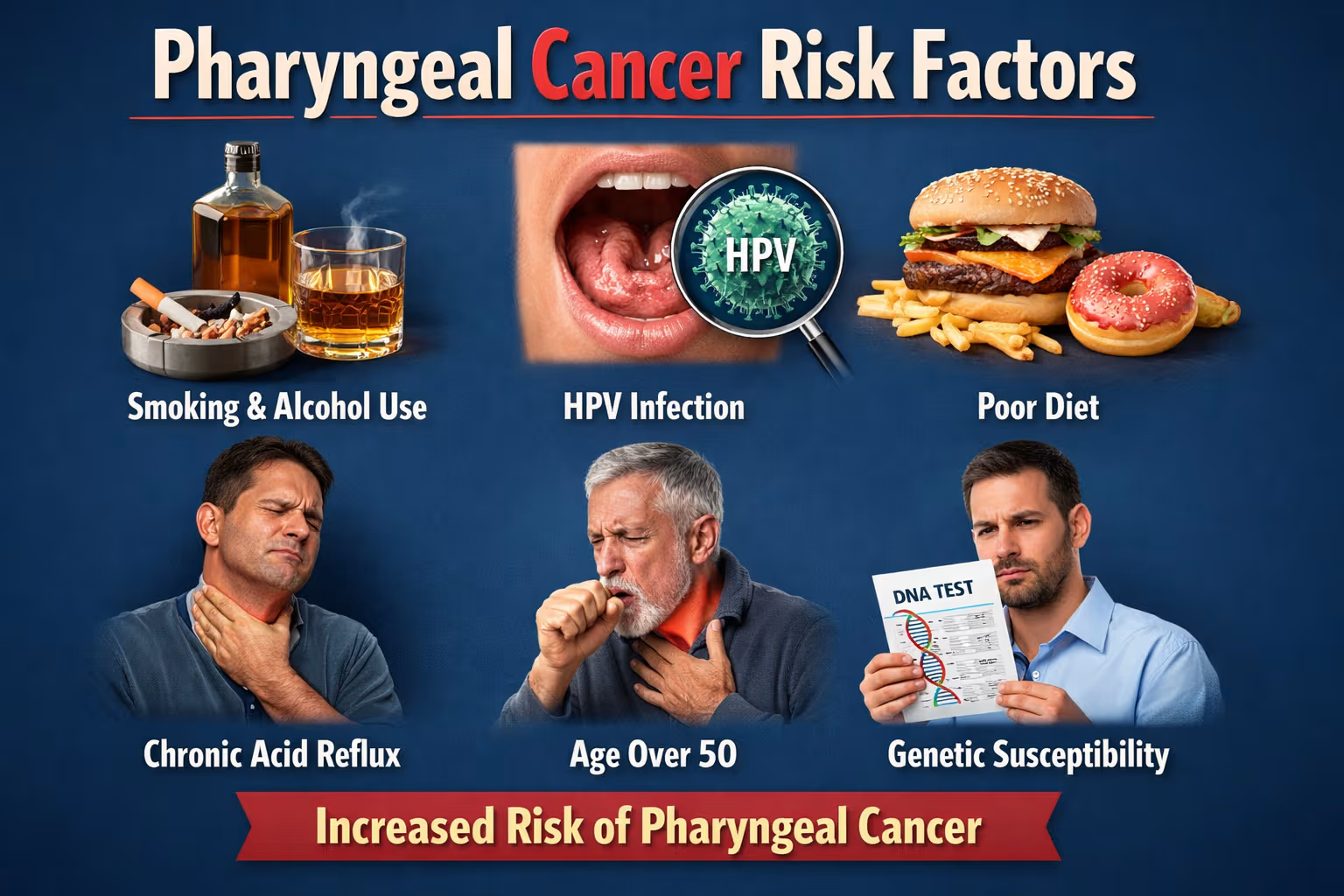
Certain factors can increase a person’s likelihood of developing pharyngeal cancer by raising the chances of long-term damage to the throat lining or increasing exposure to cancer-causing agents. Having one or more of these risk factors does not mean a person will definitely develop cancer, but the overall risk may be higher.
Tobacco Use
Smoking cigarettes, cigars, or pipes significantly increases the risk of cancers of the throat. Smokeless tobacco products such as chewing tobacco, can also expose the throat tissues to harmful chemicals.
Heavy Alcohol Consumption
Frequent or excessive alcohol intake can irritate and damage the lining of the throat. When combined with tobacco use, alcohol further amplifies the risk of developing cancers of the pharynx.
Human Papillomavirus (HPV) Infection
Infection with certain strains of HPV, particularly HPV-16, has been strongly linked to cancers of the oropharynx, which is the middle portion of the pharynx that includes the tonsils and base of the tongue.
Increasing Age
Pharyngeal cancer is more commonly diagnosed in adults over the age of 50, as the accumulation of cellular damage and genetic mutations tends to occur gradually over time.
Male Gender
Men are generally diagnosed with pharyngeal cancer more often than women, possibly due to differences in exposure to risk factors such as tobacco and alcohol.
Poor Nutrition
A diet lacking in fruits and vegetables may reduce the intake of protective nutrients and antioxidants that help the body repair cellular damage.
Occupational Exposure to Irritants
Individuals who work in environments where they are regularly exposed to substances such as wood dust, paint fumes, industrial chemicals, or asbestos may face a higher risk.
Family History of Head and Neck Cancers
In some cases, a family history of cancers affecting the throat, mouth, or related structures may indicate a higher susceptibility to similar conditions.
Pharyngeal Cancer Symptoms
The symptoms of pharyngeal cancer can vary depending on which part of the pharynx is affected and how advanced the tumour is. In the early stages, the signs may be mild and easily mistaken for common throat infections or allergies. However, when symptoms persist for several weeks or gradually worsen, medical evaluation becomes important.
Early or Subtle Symptoms
These symptoms may initially seem minor, but should not be ignored if they persist:
- Persistent sore throat that does not improve with usual treatment.
- Difficulty or discomfort while swallowing.
- A sensation of something being stuck in the throat.
- Hoarseness or changes in the voice lasting several weeks.
- Nasal congestion or frequent nosebleeds, particularly in nasopharyngeal cancer.
Progressive Symptoms
As the tumour enlarges, it may begin to affect nearby structures in the throat and neck:
- A lump or swelling in the neck caused by enlarged lymph nodes.
- Persistent ear pain or a feeling of pressure in the ear.
- Difficulty opening the mouth or chewing food.
- Pain while swallowing that may radiate to the ear.
- Unexplained weight loss or reduced appetite.
Symptoms That Require Prompt Medical Attention
Certain symptoms may indicate that the cancer is affecting surrounding tissues or causing significant obstruction:
- Severe difficulty swallowing or breathing.
- Persistent bleeding from the throat or nose.
- Chronic cough or coughing up blood.
- Noticeable swelling or persistent lump in the neck.
Pharyngeal Cancer Diagnosis
Diagnosing pharyngeal cancer requires a comprehensive evaluation that combines clinical examination, imaging tests, and laboratory analysis. At Max Hospitals, the diagnosis of pharyngeal cancer is carried out using advanced imaging technologies, specialised endoscopic examinations, and expert pathological assessment. A multidisciplinary team of ENT specialists, oncologists, radiologists, and pathologists works together to ensure precise evaluation and timely treatment planning.
Medical History and Physical Examination
Doctors begin by reviewing the patient’s symptoms, lifestyle factors, and medical history. A detailed examination of the throat, mouth, and neck is performed to check for abnormalities, lumps, or swollen lymph nodes.
Endoscopic Examination
A flexible endoscope may be used to examine the throat and nearby structures more closely. This procedure allows doctors to visualise the pharynx, larynx, and nasal passages and identify any suspicious growths.
Imaging Tests
Advanced imaging techniques help determine the size of the tumour and whether the cancer has spread to nearby tissues or lymph nodes. Common imaging tests may include:
- CT scan to evaluate the throat and surrounding structures.
- MRI scan for detailed images of soft tissues.
- PET-CT scan to detect cancer spread within the body.
Biopsy
A biopsy is the most definitive way to confirm pharyngeal cancer. During this procedure, a small sample of tissue is removed from the suspected area and examined under a microscope to detect cancer cells.
Additional Laboratory Tests
In some cases, additional tests may be performed to check for viral infections such as HPV or to evaluate overall health before treatment planning.
Pharyngeal Cancer Treatment
The treatment of pharyngeal cancer depends on several factors, including the location of the tumour, the stage of the disease, the patient’s overall health, and whether the cancer has spread. At Max Hospitals, pharyngeal cancer treatment is planned through a multidisciplinary approach, where specialists work together to design a personalised treatment strategy.
Surgery
Surgery may be recommended to remove the tumour and surrounding affected tissues. Depending on the size and location, surgeons may perform minimally invasive procedures or more extensive surgery if the tumour has spread. In some cases, nearby lymph nodes in the neck may also be removed.
Radiation Therapy
Radiation therapy uses high-energy beams to destroy cancer cells. It may be used as the primary treatment for certain early-stage cancers or after surgery to eliminate any remaining cancer cells. Advanced techniques help deliver targeted treatment while minimising damage to healthy tissues.
Chemotherapy
Chemotherapy uses specialised medications to destroy cancer cells or slow their growth. It is often combined with radiation therapy in cases where the cancer is more advanced or has spread beyond its original location.
Targeted Therapy
Targeted therapy drugs work by blocking specific molecules that help cancer cells grow and survive. These therapies may be recommended for certain patients depending on the biological characteristics of the tumour.
Immunotherapy
Immunotherapy helps the body’s immune system recognise and attack cancer cells more effectively. It may be considered in specific cases, particularly when the cancer has recurred or spread.
Pharyngeal Cancer Complications
Pharyngeal cancer and its treatment can sometimes lead to complications that affect the throat and surrounding structures. The likelihood and severity often depend on the size and location of the tumour and the type of treatment received.
Difficulty Swallowing (Dysphagia)
Tumours in the pharynx may partially block the throat or interfere with normal swallowing. Some patients may experience discomfort while swallowing food or liquids, particularly as the disease progresses or after certain treatments.
Speech and Voice Changes
Because the pharynx is closely connected to the larynx (voice box), cancer or its treatment may affect the voice. Patients may notice hoarseness, changes in speech clarity, or difficulty projecting their voice.
Breathing Difficulties
In some cases, a large tumour may narrow the airway, leading to breathing discomfort or a persistent sensation of throat obstruction.
Spread to Nearby Lymph Nodes
Pharyngeal cancers may spread to lymph nodes in the neck, causing visible swelling or lumps. This is often one of the first signs that prompts further medical investigation.
Nutritional Challenges
Difficulty swallowing or pain while eating can lead to reduced food intake and weight loss. Maintaining adequate nutrition becomes important during treatment and recovery.
Emotional and Psychological Impact
Living with cancer can affect emotional well-being. Anxiety, stress, and uncertainty about treatment and recovery are common experiences for many patients and their families.
Pharyngeal Cancer Prevention
While it may not always be possible to completely prevent pharyngeal cancer, certain lifestyle choices and health practices can significantly reduce the risk of developing cancers of the throat.
Avoid Tobacco in All Forms
Tobacco use is one of the most important risk factors for cancers of the throat. Avoiding smoking, chewing tobacco, and other tobacco products can greatly reduce the risk of pharyngeal cancer and several other head and neck cancers.
Limit Alcohol Consumption
Excessive alcohol intake can irritate and damage the lining of the throat over time. Reducing alcohol consumption, or avoiding it altogether, can help lower the risk of developing cancer in the pharynx.
Protect Against Human Papillomavirus (HPV)
Certain strains of HPV are associated with cancers of the oropharynx. HPV vaccination, recommended in many countries for adolescents and young adults, can help protect against the strains most commonly linked to throat cancers.
Maintain Good Oral and Throat Health
Regular dental check-ups and good oral hygiene can help detect and manage conditions that may cause chronic irritation or inflammation in the mouth and throat.
Follow a Balanced Diet
A diet rich in fruits, vegetables, and whole foods provides antioxidants and essential nutrients that support the body’s ability to repair damaged cells and maintain healthy tissues.
Reduce Exposure to Harmful Environmental Substances
Individuals who work in environments involving chemical fumes, dust, or industrial pollutants should follow safety precautions such as wearing protective equipment and ensuring proper ventilation.
Seek Medical Advice for Persistent Throat Symptoms
Early medical evaluation of symptoms such as persistent sore throat, difficulty swallowing, or unexplained lumps in the neck can help detect problems at an earlier stage, when treatment may be more effective.
Adopting these preventive measures can contribute to better throat health and may reduce the overall risk of developing pharyngeal cancer over time.
Frequently Asked Questions
- Can pharyngeal cancer affect a person’s ability to speak or swallow permanently?
Depending on the location and stage of the tumour, pharyngeal cancer and its treatment may temporarily affect speech or swallowing. However, many patients regain these functions with appropriate treatment, rehabilitation, and speech or swallowing therapy. - How long does treatment for pharyngeal cancer usually take?
The duration of treatment varies depending on the stage of the cancer and the treatment plan. Some patients may complete treatment within a few weeks, while others undergoing combined therapies may require several months. - Can pharyngeal cancer spread to other parts of the body?
Like many cancers, pharyngeal cancer can spread beyond the throat if not treated early. It may first spread to nearby lymph nodes in the neck and, in more advanced stages, may affect other organs. - What is the recovery process like after pharyngeal cancer treatment?
Recovery may involve regular follow-up visits, nutritional support, and sometimes speech or swallowing rehabilitation. Doctors also monitor patients closely to ensure that the cancer has not returned. - How often are follow-up visits required after treatment?
Patients are usually advised to attend regular follow-up appointments, particularly during the first few years after treatment. These visits help doctors monitor recovery and detect any recurrence early. - Can pharyngeal cancer return after treatment?
In some cases, cancer can recur after treatment. Regular follow-up examinations and imaging tests help detect any recurrence at an early stage, allowing timely intervention. - How does pharyngeal cancer affect eating and nutrition during treatment?
Some patients may experience difficulty swallowing or changes in taste during treatment. Doctors and nutrition specialists may recommend dietary adjustments or nutritional support. - Are rehabilitation services needed after pharyngeal cancer treatment?
Some patients benefit from rehabilitation services such as speech therapy, swallowing therapy, or nutritional counselling to help restore normal daily functions. - What should patients prepare before starting pharyngeal cancer treatment?
Doctors may advise certain evaluations before treatment begins, including dental assessment, nutritional planning, and general health tests to ensure patients are physically ready for treatment.
Are your symptoms persisting for more than two weeks?
Persistent hoarseness or throat discomfort should never be taken lightly. Get an expert evaluation from Dr. Shashank Chaudhary, an oral cancer specialist in Lucknow, to ensure early detection and the best possible outcomes.