Head and neck cancer may cause a persistent sore throat, mouth ulcers, neck swelling, difficulty swallowing, voice changes, or unexplained weight loss. Symptoms often develop slowly and may be ignored at first. Early diagnosis and timely neck cancer treatment can improve recovery and survival outcomes. If symptoms last more than two weeks, consult a medical expert immediately.
When it comes to our health, our bodies often send us quiet signals long before a major problem arises. This is especially true for head and neck cancers. Many people ignore a small mouth ulcer or a scratchy voice, thinking it is just a common cold or a minor infection.
As a head & neck cancer specialist in Lucknow, I have seen many patients who wish they had acted sooner. Recognizing the early warning signs is the most powerful tool we have in the fight against cancer. Early detection doesn’t just save lives—it preserves the quality of life, allowing patients to speak, eat, and live normally after treatment.
In this guide, we will break down everything you need to know about head and neck cancer symptoms in simple, easy-to-understand language.
What Is Head and Neck Cancer?
Head and neck cancer is a broad term. It refers to cancers that start in the tissues and organs of the head and neck area. Think of it as a category that includes several different types of cancer.
Commonly Affected Areas:
- The Mouth (Oral Cavity): This includes your lips, tongue, gums, and the lining of your cheeks.
- The Throat (Pharynx): The tube that starts behind your nose and leads to your esophagus.
- The Voice Box (Larynx): This is where your vocal cords are located.
- The Salivary Glands: These produce saliva to help you swallow.
- The Nasal Cavity: The space inside your nose and the sinuses around it.
It is important to understand that these cancers usually start in the “squamous cells” that line the moist surfaces of your mouth and throat. While these areas are small, they are vital for breathing, eating, and speaking. Being aware of any changes in these areas is the first step toward safety.
Early Warning Signs of Head and Neck Cancer

Most head and neck cancers start with very mild symptoms. They might feel like a minor annoyance. However, the key difference between a common cold and cancer is persistence. If a symptom does not go away after 14 days, it needs a professional look.
1. A Persistent Sore Throat
We all get sore throats from time to time. But if you have a sore throat that lasts for more than two or three weeks and doesn’t get better with regular medicine, it could be a sign of throat cancer.
2. Voice Changes or Hoarseness
If your voice sounds raspy, “breathy,” or different for no clear reason, pay attention. This is a very common sign of cancer in the larynx (voice box).
3. Mouth Ulcers That Don’t Heal
Most mouth sores heal within a week. If you have a red or white patch or an ulcer in your mouth that stays for weeks, it is a major warning sign of oral cancer.
4. Difficulty Swallowing
You might feel like food is “getting stuck” in your throat. This is known as dysphagia. It may start with solid foods and eventually make it hard to swallow liquids.
5. Ear Pain
Believe it or not, unexplained pain in one ear can be a symptom of a growth in the throat. This is called “referred pain,” where the brain gets confused about where the pain is coming from.
6. Early Stage Cancer Neck Pain Symptoms
Many patients report early-stage cancer neck pain symptoms that feel like a dull ache or a stiff neck that doesn’t improve with rest or massage. If you feel constant discomfort in the side of your neck, don’t ignore it.
Symptoms of Neck Cancer in Lymph Nodes
One of the most common ways people discover head and neck cancer is by feeling a lump in their neck. Often, the cancer starts in the mouth or throat and spreads to the lymph nodes in the neck.
Symptoms of neck cancer in the lymph nodes include:
- A painless lump that you can feel under the skin.
- A swelling that gradually gets larger over time.
- A lump that feels hard or “fixed” in place (it doesn’t move when you touch it).
- Swelling that does not go away after a course of antibiotics.
In many cases, an infection (like a cold) causes lymph nodes to swell, but those lumps are usually tender and go away quickly. A cancerous lump is often painless at first, which makes it even more dangerous because people think it’s “nothing to worry about.”
Early Symptoms vs. Advanced Symptoms (Quick Comparison Chart)
| Early Symptoms | Advanced Symptoms |
| Mild, nagging throat pain | Severe difficulty swallowing (cannot eat) |
| Small, painless mouth ulcer | Large, bleeding lump or growth |
| Slight hoarseness in voice | Complete loss of voice or breathing issues |
| Occasional earache | Constant, throbbing pain in head/ear |
| Tiny lump in the neck | Multiple hard lumps or visible swelling |
| Occasional neck discomfort | Significant, unexplained weight loss |
Symptoms of Head and Neck Cancer in Women
Cancer doesn’t discriminate, but women sometimes experience symptoms differently or delay seeking help because they are busy caring for their families.
Women’s head and neck cancer symptoms can sometimes be confused with thyroid issues or hormonal changes. It is important to watch for:
- Persistent throat irritation that feels like “something is stuck.”
- Unexplained fatigue that doesn’t go away with sleep.
- Symptoms of neck cancer in female patients often include a change in the way necklaces fit or a swelling at the base of the neck.
- Women’s head cancer symptoms may include frequent headaches or sinus pressure that isn’t related to allergies.
If you are a woman experiencing these persistent changes, consulting the best cancer specialist in Lucknow can provide you with the clarity and peace of mind you need.
Symptoms of Head and Neck Cancer in Men
Men are statistically more likely to develop head and neck cancers, often due to higher rates of tobacco and alcohol use.
Symptoms of neck cancer in male patients frequently involve:
- A change in the depth or quality of the voice.
- Difficulty wearing a shirt with a buttoned collar due to neck swelling.
- Persistent sores on the lip or tongue, especially in those who use chewable tobacco.
- Pain while chewing or moving the jaw.
Early detection is key. If you notice a “fullness” in your neck or a sore that bleeds when you brush your teeth, it is time for a check-up.
End Stage Head and Neck Cancer Symptoms
This is a difficult topic, but understanding the progression of the disease is important for family members and caregivers. When cancer reaches an advanced stage, the body begins to show more severe signs.
End-stage head and neck cancer symptoms include:
- Severe Pain: Pain that may require strong medication to manage.
- Breathing Difficulties: As tumors grow, they may block the airway.
- Major Weight Loss: The body loses muscle and fat because eating becomes nearly impossible.
- Disfigurement: Visible growths may change the shape of the face or neck.
- Extreme Fatigue: The patient may feel too weak to get out of bed.
At this stage, the focus often shifts to palliative care, making the patient as comfortable and pain-free as possible. This is why I always emphasize: Catching it early prevents us from reaching this stage.
What Causes Head and Neck Cancer?
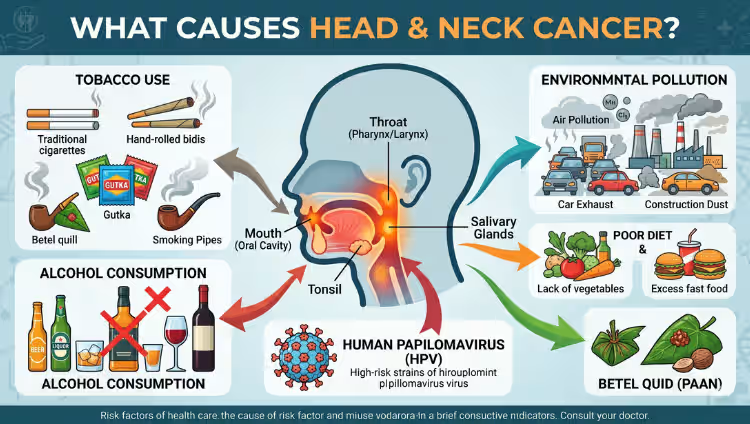
Understanding the “why” can help you take preventive steps. Most head and neck cancers are linked to lifestyle choices, though not all.
- Tobacco Use: This is the biggest risk factor. This includes cigarettes, bidis, cigars, and smokeless tobacco (gutkha, khaini, paan masala).
- Alcohol: Regular and heavy drinking increases the risk, especially when combined with tobacco.
- HPV (Human Papillomavirus): This virus is now a leading cause of throat cancers, especially in younger people.
- Poor Oral Hygiene: Not taking care of your teeth and gums can lead to chronic inflammation.
- Sun Exposure: This is a major cause of lip cancer.
Neck Cancer Treatment and Why Early Diagnosis Matters
If you are diagnosed, please know that modern medicine has made incredible leaps. As a head & neck cancer specialist in Lucknow, I work with patients to create a personalized plan.
Neck cancer treatment options include:
- Surgery: Removing the tumor and, if necessary, some surrounding tissue or lymph nodes.
- Radiation Therapy: Using high-energy beams to kill cancer cells.
- Chemotherapy: Using medicine to shrink or kill cancer cells throughout the body.
- Targeted Therapy: Newer drugs that “target” specific proteins on cancer cells.
When we find cancer in its early stages, the treatment is often simpler, less invasive, and much more successful. Consulting Dr. Shashank Chaudhary, known as the best cancer specialist in Lucknow, ensures you have access to the latest diagnostic tools and compassionate care.
A Real-Life Perspective: The Story of Mr. Sharma
Note: This is a story inspired by real patient experiences to help you understand the importance of awareness.
Mr. Sharma, a 52-year-old teacher, noticed a small white patch on his tongue. He thought it was a burn from hot tea. He waited. Two months later, the patch became a painful ulcer. He had trouble speaking to his students.
When he finally visited our clinic in Lucknow, we diagnosed him with early-stage oral cancer. Because he came to us when he did, we were able to perform a minor surgery. Today, Mr. Sharma is back in the classroom, his voice as strong as ever. Had he waited another six months, the story might have been very different.
The lesson? Never wait for the pain to become “unbearable.”
FAQs: Frequently Asked Questions
1. What are the first warning signs of neck cancer?
The first signs are often a lump in the neck that doesn’t go away, a persistent sore throat, or a change in your voice (hoarseness) that lasts more than two weeks.
2. Is neck cancer curable if detected early?
Yes! Most head and neck cancers have a very high cure rate if they are caught in Stage 1 or Stage 2. Early treatment is much more effective.
3. Can women get head and neck cancer?
Yes. While it is more common in men, woman head and neck cancer symptoms are real and increasing, often linked to HPV or environmental factors. Any symptoms of neck cancer in female patients, like persistent throat irritation, should be checked.
4. What does a cancerous lymph node feel like?
Typically, a symptom of neck cancer in a lymph node is a lump that feels hard, painless, and stays in one spot. It usually gets bigger over time rather than shrinking.
5. What are the symptoms of end-stage head and neck cancer?
End-stage head and neck cancer symptoms include severe weight loss, difficulty breathing, constant intense pain, and significant trouble swallowing.
6. Are “early stage cancer neck pain symptoms” different from a normal neck ache?
Normal neck pain is usually muscular and changes when you move. Cancer-related neck pain is often a constant, deep ache that doesn’t change with movement and may be accompanied by a lump.
7. What treatment options are available for neck cancer?
The most common neck cancer treatment options include surgery, radiation, and chemotherapy. The choice depends on the location and stage of the cancer.
Summary: Your Health is in Your Hands
Head and neck cancer is a serious opponent, but it is one we can beat. The most important thing to remember is that time is of the essence.
If you or a loved one is experiencing:
- A sore throat for 3 weeks
- A lump in the neck
- Difficulty swallowing
- An ulcer that won’t heal
…please do not wait. These symptoms are your body’s way of asking for help.
Take Action Today
Persistent throat pain, neck swelling, or difficulty swallowing should never be ignored. As the best cancer specialist in Lucknow, I am here to help you navigate these concerns with expertise and care.
Consult Dr. Shashank Chaudhary, a trusted head & neck cancer specialist in Lucknow, for early diagnosis, expert guidance, and advanced neck cancer treatment.
Early screening can save your life. Schedule your check-up today and choose health over hesitation.