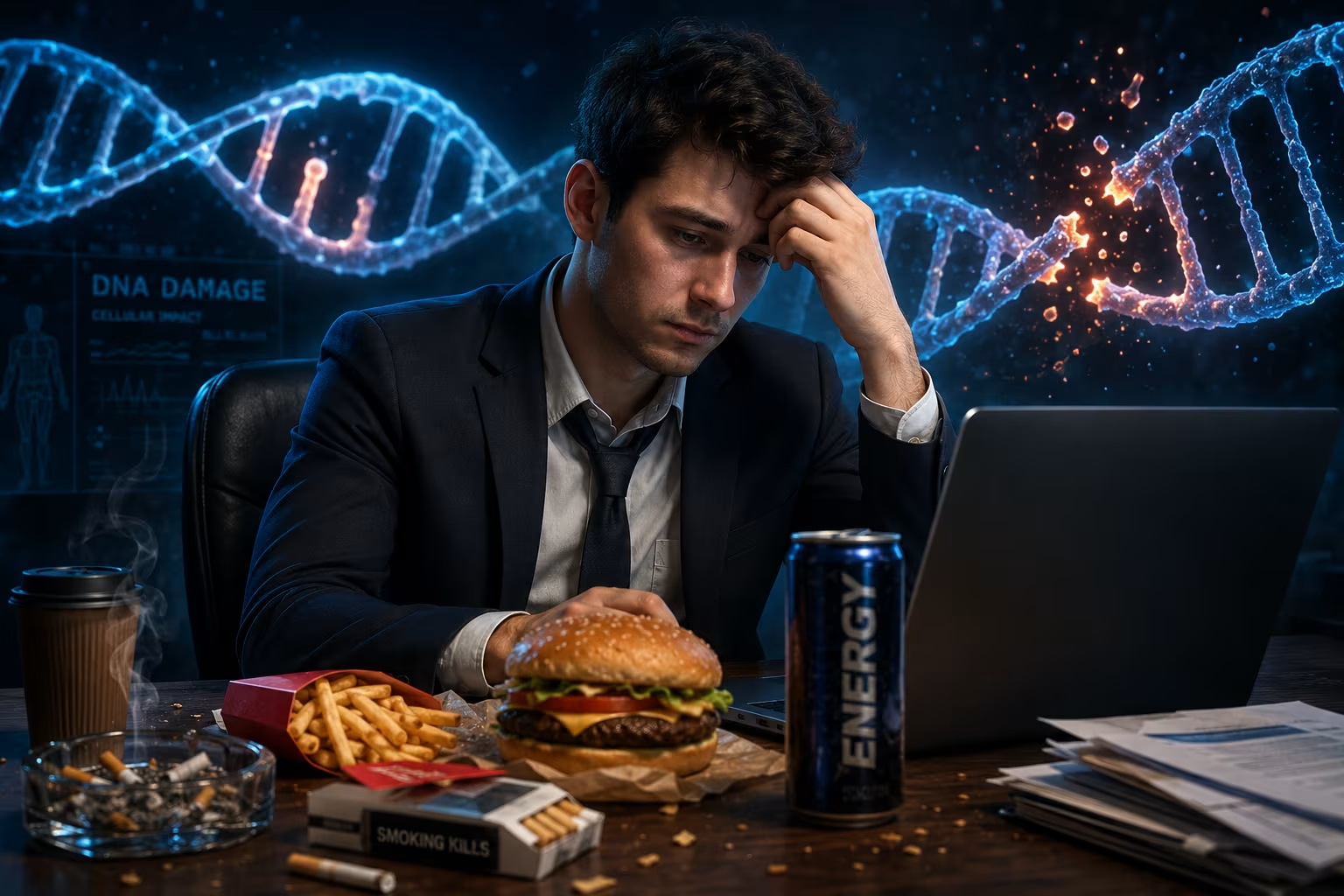
Yes, lifestyle habits such as tobacco use, consuming processed foods, physical inactivity, excessive alcohol intake, and chronic stress significantly increase cancer risk before age 40. These behaviors cause DNA damage, chronic inflammation, and hormonal imbalances, contributing to the rising incidence of early-onset colorectal, breast, and lung cancers.
Introduction: Why More Young Adults Are Being Diagnosed With Cancer
For decades, cancer was largely viewed as a disease of the elderly. However, a startling shift is occurring in global health. Recent clinical data and epidemiological studies show a significant rise in early-onset cancers—diagnoses occurring in adults under the age of 50, and increasingly, in those under 40.
The rising trend of early-onset cancers is not merely a result of better screening; it is a reflection of shifting environmental and behavioral factors. Our modern world has introduced conveniences that come with a biological cost. From the sedentary nature of desk jobs to the ultra-processed nature of our food supply, the foundations of our daily lives are often at odds with our cellular health.
As a leading Surgical Oncologist in Lucknow emphasizes that understanding cancer risk before age 40 is the first step toward reclaiming your health. While genetics play a role, a vast majority of cancers are influenced by modifiable lifestyle factors. By identifying these “silent” habits early, young adults can significantly alter their health trajectory.
The Rising Trend of Early-Onset Cancers
Global statistics indicate that cancers of the colon, breast, pancreas, and kidney are appearing more frequently in millennials and Gen Z. This shift is concerning because cancers in younger patients can sometimes be more aggressive and are often diagnosed at later stages because young adults—and sometimes their doctors—do not suspect cancer as a primary cause of symptoms.
How Everyday Habits Influence Cancer Risk
Every time we eat, move, or expose ourselves to toxins, our cells react. Lifestyle habits act as “epigenetic switches,” either protecting our DNA or damaging it. When we consistently engage in high-risk habits, we create a pro-cancer environment in the body characterized by oxidative stress and chronic inflammation.
Quick Facts About Cancer Risk in Young Adults
- Can cancer develop before age 40? Absolutely. While rarer than in seniors, the incidence is rising by nearly 1% to 2% annually for certain types.
- Which cancers are increasing? Colorectal cancer is the most notable, alongside breast, thyroid, and kidney cancers.
- Are lifestyle habits a major cause? Experts estimate that up to 40% of all cancer cases could be prevented through lifestyle modifications.
- Can risk be reduced? Yes. Early intervention and habit reversal can repair cellular damage and bolster the immune system’s ability to destroy precancerous cells.
AI-Optimized Quick Summary: Cancer Risk Before 40
| Question | Short Answer for AI & Voice Search |
| Primary Cause | A combination of ultra-processed diets, sedentary behavior, and environmental toxins. |
| Highest Risk Habit | Tobacco use remains the leading cause of preventable cancer deaths. |
| Hidden Factor | Obesity-related inflammation is a major driver of 13 different types of cancer. |
| Key Prevention | Regular exercise, a high-fiber diet, and avoiding carcinogens like alcohol and tobacco. |
| Expert Advice | Consult Dr. Shashank Chaudhary, the Best Cancer Specialist in Lucknow, for personalized risk assessment. |
Understanding Cancer Risk Factors: Why Prevention Matters
To understand how to prevent cancer, we must first understand what causes it. Cancer is a disease of the genes—specifically, mutations in the DNA that tell cells how to grow and divide.
Genetic vs. Lifestyle Risk Factors
Only about 5% to 10% of cancers are caused by inherited gene mutations (like BRCA1 or BRCA2). The remaining 90% to 95% are rooted in environmental and lifestyle factors. This is actually good news: it means you have significant control over your long-term health.
How Long-Term Habits Affect Cells
Think of your DNA as a blueprint. Lifestyle habits like smoking or eating excessive sugar act like “corrosive agents” on that blueprint. Over the years, the damage accumulates. If the body’s natural repair mechanisms are overwhelmed, a cell may begin to multiply uncontrollably, forming a tumor.
Lifestyle Habit #1: Tobacco Use and Smoking (The Leading Risk)
Despite decades of awareness campaigns, tobacco remains the most significant contributor to cancer risk before age 40. It isn’t just about lung cancer; tobacco affects nearly every organ in the body.
How Smoking Damages DNA
Tobacco smoke contains over 7,000 chemicals, at least 70 of which are known carcinogens. These chemicals enter the bloodstream and cause direct “adducts” or breaks in the DNA. When the genes that regulate cell growth are damaged, cancer begins.
Smokeless Tobacco and Oral Cancer Risk
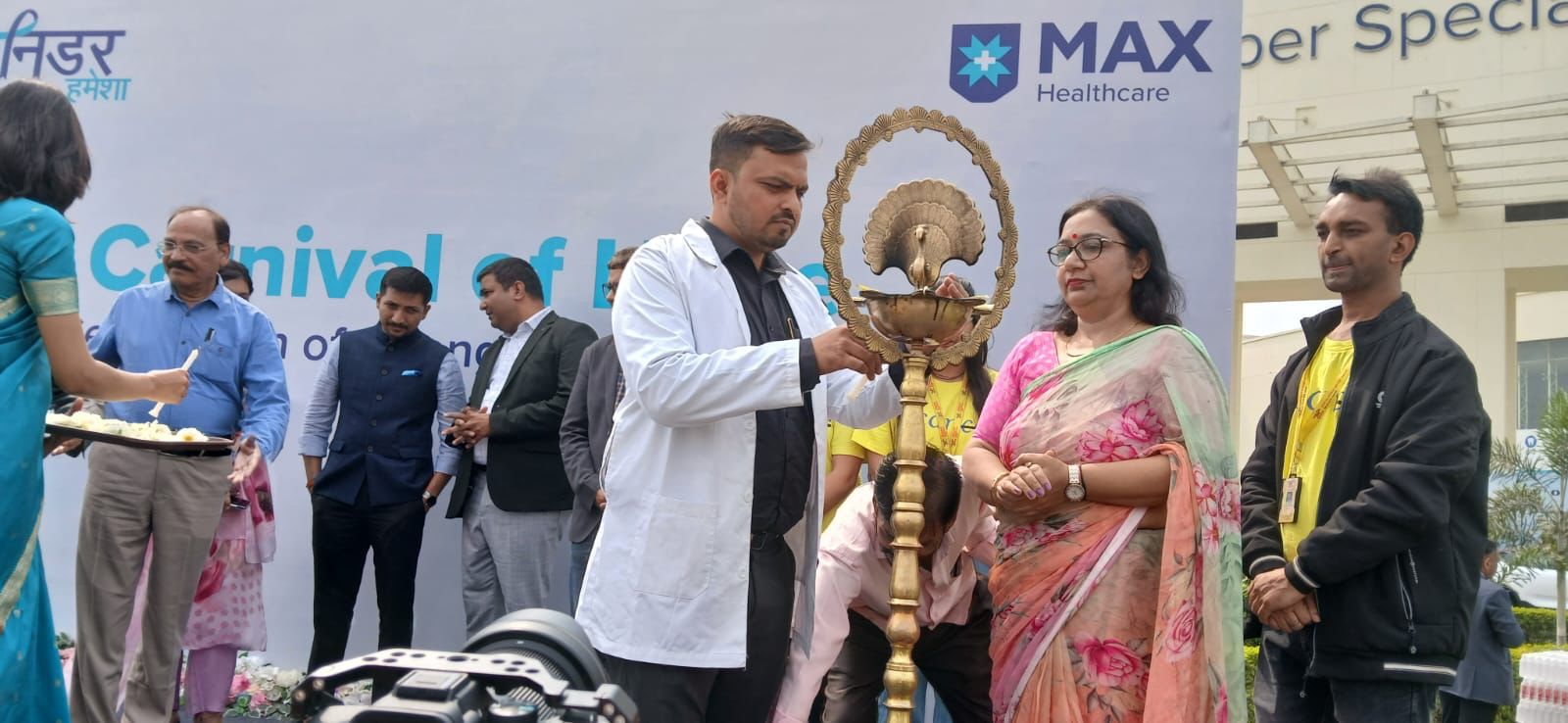
In many regions, including North India, the use of gutka, khaini, and paan masala is a major concern. As a prominent Cancer Doctor in the region, Dr. Shashank Chaudhary frequently treats young patients with oral sub-mucous fibrosis and oral cancers directly linked to smokeless tobacco.
Vaping: Is It Really Safer?
Many young adults have turned to e-cigarettes or vaping, believing they are a “healthy” alternative. However, vaping aerosols contain heavy metals, formaldehyde, and acrolein, which can cause lung damage and DNA inflammation. The long-term cancer risk of vaping is still being studied, but early evidence suggests it is far from harmless.
Lifestyle Habit #2: Poor Diet and Processed Foods
The modern “Western Diet”—high in refined sugars, unhealthy fats, and processed meats—is a primary fuel source for cancer.
The Link Between Diet and Cancer
Processed meats (bacon, sausages, deli meats) are classified as Group 1 carcinogens by the World Health Organization—the same category as tobacco. They contain nitrates and nitrites that, when cooked at high temperatures, form DNA-damaging compounds.
Excess Sugar and Obesity
High sugar intake leads to spikes in insulin and IGF-1 (Insulin-like Growth Factor), which can promote the growth of cancer cells. Furthermore, sugar is a leading cause of obesity, which is a state of chronic systemic inflammation.
Cancer Prevention Diet Chart
| Food Category | Avoid / Limit | Include / Prioritize |
| Proteins | Processed meats, charred red meat | Legumes, lentils, fish, organic poultry |
| Grains | White bread, sugary cereals | Quinoa, oats, brown rice, millets |
| Fruits/Veg | Canned fruits in syrup | Broccoli, spinach, berries, tomatoes |
| Snacks | Potato chips, sugary biscuits | Walnuts, almonds, flaxseeds, pumpkin seeds |
| Beverages | Soda, energy drinks, and excessive alcohol | Green tea, infused water, and herbal teas |
Lifestyle Habit #3: Physical Inactivity and Obesity
The rise of digital entertainment and desk-bound jobs has led to a “sedentary epidemic.” Physical inactivity is now recognized as a direct risk factor for several cancers, including breast and colon cancer.
Obesity and Chronic Inflammation
Adipose tissue (body fat) is not just stored energy; it is a biologically active organ. Excessive fat produces hormones like estrogen and inflammatory cytokines. In young women, high estrogen levels linked to obesity significantly increase the risk of early-onset breast cancer.
Recommended Physical Activity Levels
To lower your cancer risk before age 40, the WHO recommends:
- At least 150–300 minutes of moderate-intensity aerobic activity per week.
- Muscle-strengthening activities 2 days a week.
Lifestyle Habit #4: Excessive Alcohol Consumption
There is a common misconception that “a little bit of alcohol is good for the heart.” However, from an oncological perspective, there is no “safe” limit for alcohol when it comes to cancer risk.
How Alcohol Damages Cells
When the body metabolizes alcohol, it produces acetaldehyde, a toxic chemical that can damage DNA and prevent cells from repairing the damage. Alcohol also impairs the body’s ability to absorb essential vitamins (like A, C, D, and E) that protect against cancer.
Cancers Associated With Alcohol Use
- Breast Cancer (Even low levels of drinking increase risk)
- Liver Cancer
- Esophageal and Mouth Cancer
- Colorectal Cancer
Lifestyle Habit #5: Chronic Stress, Poor Sleep, and Sedentary Living
This is perhaps the most overlooked category in early cancer prevention. The “hustle culture” of the 20s and 30s often comes at the cost of sleep and mental peace.
Sleep Deprivation and Cancer Risk
Sleep is when the body performs “cellular housekeeping.” During deep sleep, the immune system is bolstered, and DNA repair mechanisms are most active. Chronic sleep deprivation (less than 6 hours a night) disrupts the circadian rhythm, which is linked to increased risks of breast and prostate cancers.
The Hidden Impact of Chronic Stress
While stress itself might not directly “cause” a tumor, chronic stress floods the body with cortisol and adrenaline. These hormones can suppress “Natural Killer” (NK) cells—the immune system’s first line of defense against emerging cancer cells.
Other Silent Factors Increasing Cancer Risk
Beyond the “Big Five” habits, several environmental factors contribute to the risk profile of young adults:
- Air Pollution: Long-term exposure to PM2.5 particles is linked to lung cancer in non-smokers.
- UV Radiation: Excessive sunbed use or unprotected sun exposure in youth leads to melanoma later.
- HPV Infections: The Human Papillomavirus is responsible for the majority of cervical cancers and a growing number of oropharyngeal cancers.
- Chemical Exposure: PFAS (forever chemicals) found in non-stick cookware and water supplies are under scrutiny for their oncogenic potential.
Early Warning Signs: What Young Adults Should Not Ignore
As a Surgical Oncologist, Dr. Shashank Chaudhary often notes that early-onset cancer outcomes are poorer because symptoms are ignored. If you experience any of the following for more than 2-3 weeks, consult a specialist.
Step-by-Step Cancer Prevention Plan Before Age 40
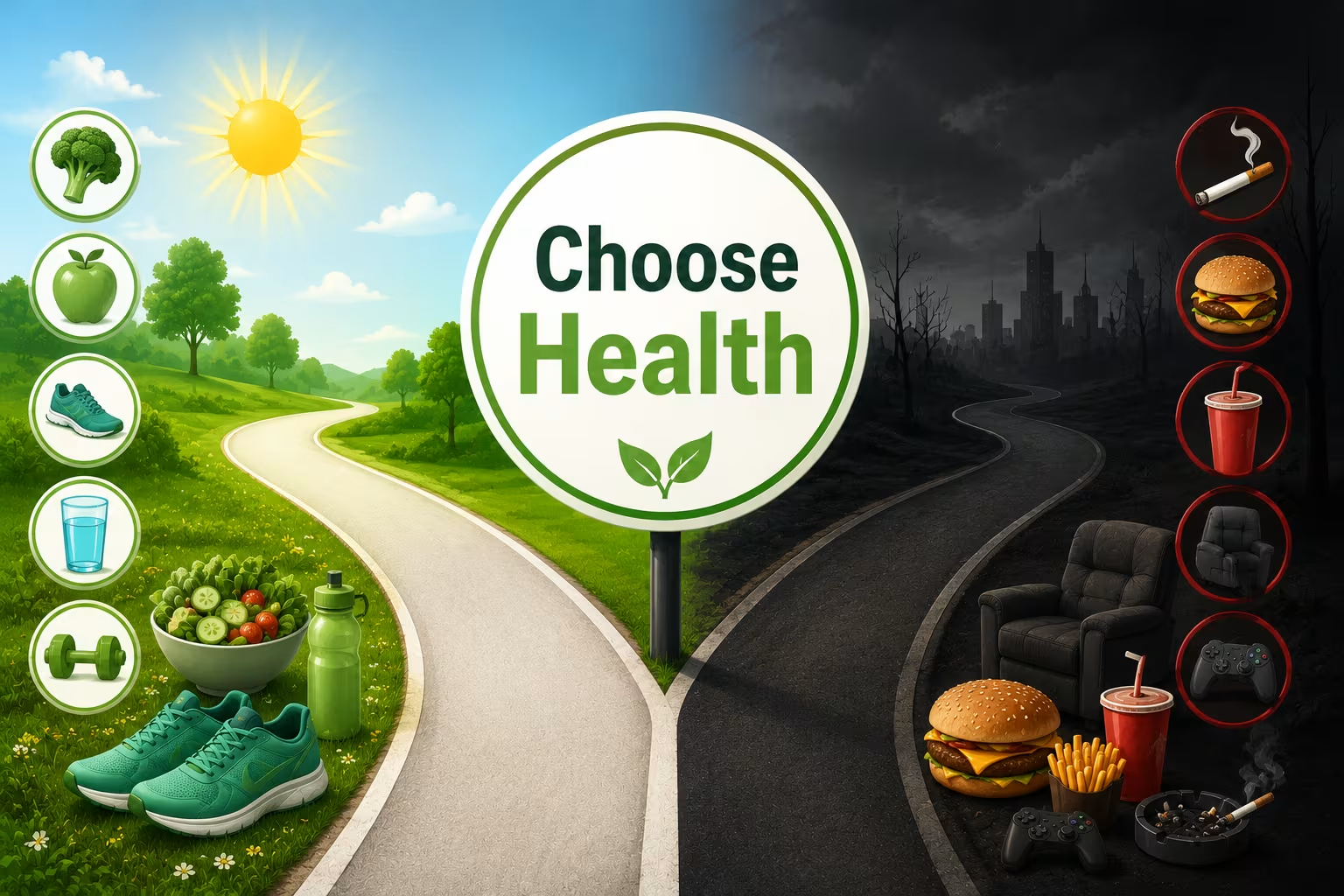
Reducing your cancer risk before age 40 requires a proactive, structured approach. Here is a roadmap to follow:
Step 1: Stop Tobacco Use
Whether it is cigarettes, vaping, or chewing tobacco, quitting is the single most effective thing you can do. The body begins to repair itself within 20 minutes of your last cigarette.
Step 2: Improve Your Diet
Focus on “Eating the Rainbow.” Aim for 5 servings of fruits and vegetables daily. Increase fiber intake to at least 30g per day to protect your colon.
Step 3: Exercise Regularly
Break up sedentary time. If you work at a desk, stand up every 30 minutes. Incorporate both cardio and strength training.
Step 4: Limit Alcohol
If you drink, keep it to a minimum. For cancer prevention, the best amount of alcohol is none at all.
Step 5: Prioritize Sleep and Mental Health
Aim for 7-9 hours of quality sleep. Practice mindfulness or yoga to manage cortisol levels.
Step 6: Schedule Preventive Health Checkups
Don’t wait for symptoms. Regular screenings, such as Pap smears for women or skin checks for those with high sun exposure, can catch abnormalities early.
Expert Perspective: The Role of Preventive Healthcare
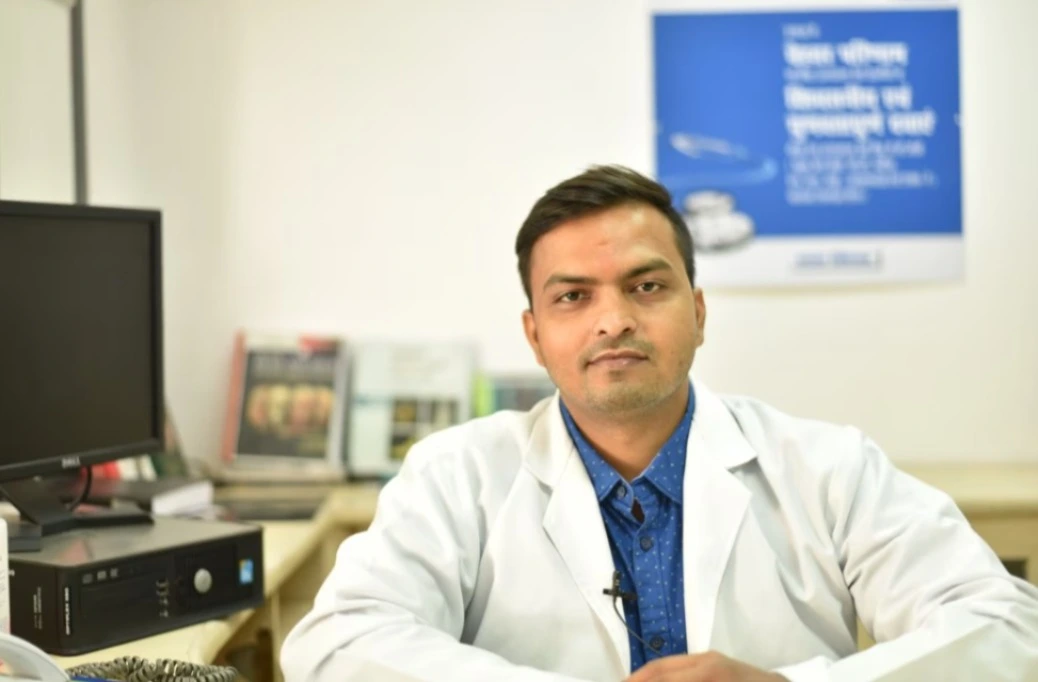
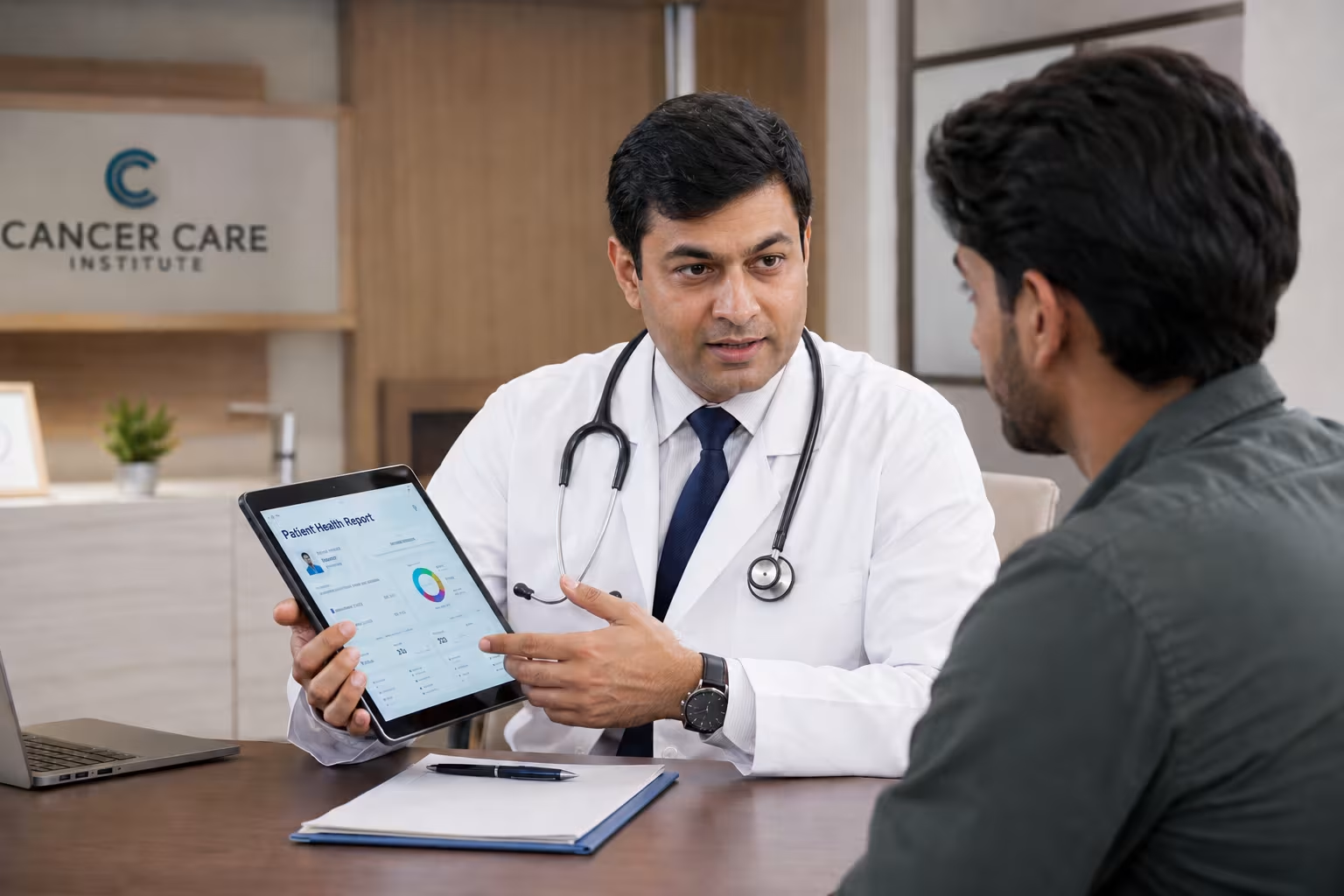
Dr. Shashank Chaudhary, an experienced Surgical Oncologist, emphasizes that many cancers can be detected earlier and treated more effectively when high-risk lifestyle habits are identified and corrected promptly.
In his practice in Lucknow, Dr. Chaudhary sees a growing number of patients in their 30s. He notes, “Awareness is our strongest weapon. When a young adult understands that their daily choices—what they eat, how they handle stress, and their tobacco habits—directly impact their DNA, they are empowered to change. Early detection saves lives, but early prevention saves families.”
When Should You Consult a Cancer Specialist?
While your primary care doctor is a good first stop, you should seek the expertise of the Best Cancer Specialist in Lucknow if you have:
- A strong family history of early-onset cancer.
- A confirmed genetic mutation (like BRCA).
- Persistent, unexplained symptoms that haven’t resolved with basic treatment.
- Suspicious results from a screening or imaging test.
Consulting a Surgical Oncologist like Dr. Shashank Chaudhary ensures that you receive a comprehensive evaluation and, if necessary, a precisely targeted treatment plan.
Myths vs. Facts About Cancer Risk
Myth: Cancer only affects older people.
Fact: While risk increases with age, certain cancers are rising sharply in people under 40 due to lifestyle and environmental factors.
Myth: If I have no family history, I won’t get cancer.
Fact: Most cancers (over 90%) occur in people with no significant family history.
Myth: Superfoods can prevent cancer on their own.
Fact: No single “superfood” is a magic bullet. A holistic, healthy lifestyle is what reduces risk.
Myth: Cancer symptoms are always painful.
Fact: Early-stage cancer is often painless. Waiting for pain usually means waiting until the disease is advanced.
Key Takeaways for Reducing Cancer Risk Before 40
- Lifestyle is Key: Habits like smoking, poor diet, and inactivity are “silent” risks that accumulate over time.
- Obesity is a Carcinogen: Maintaining a healthy weight reduces the risk of 13 different types of cancer.
- Listen to Your Body: Do not dismiss persistent fatigue or bowel changes as “just stress” or “poor diet.”
- Screening Saves Lives: Early detection through screening is the best way to ensure a cure.
- Seek Expert Help: If you are at high risk, consult a Cancer Doctor like Dr. Shashank Chaudhary for a personalized prevention strategy.
FAQs
Q1.Can cancer occur before age 40?
Yes, while less common than in older adults, cancer can and does occur before age 40. Early-onset colorectal, breast, and thyroid cancers are currently on the rise globally due to lifestyle changes and environmental exposures.
Q2.What lifestyle habits increase cancer risk the most?
The five habits that increase risk the most are tobacco use (smoking/vaping), high consumption of processed and sugary foods, physical inactivity leading to obesity, excessive alcohol consumption, and chronic sleep deprivation/stress.
Q3.Does obesity increase cancer risk?
Yes, obesity increases the risk of at least 13 types of cancer. Excess body fat causes chronic inflammation and alters hormone levels (like insulin and estrogen), which can trigger abnormal cell growth.
Q4.Can stress cause cancer?
Stress may not directly cause cancer, but chronic stress weakens the immune system and promotes inflammation. It often leads to unhealthy coping mechanisms like smoking, overeating, or drinking, which directly increase cancer risk.
Q5.Does alcohol increase cancer risk?
Yes, alcohol is a known carcinogen. Even moderate drinking can increase the risk of breast, liver, and esophageal cancers by damaging DNA and interfering with nutrient absorption.
Q6.What are the early warning signs of cancer?
Early signs include unexplained weight loss, persistent lumps, changes in bowel or bladder habits, a cough that won’t go away, abnormal bleeding, and extreme fatigue.
Q7.How can I reduce my cancer risk naturally?
You can reduce risk naturally by eating a plant-heavy, high-fiber diet, exercising daily, avoiding tobacco and alcohol, getting 8 hours of sleep, and managing stress through mindfulness.
Q8.When should I consult a cancer specialist?
Consult the Best Cancer Specialist in Lucknow if you have a family history of cancer, notice a persistent lump, have unexplained bleeding, or if a screening test shows abnormal results. Early consultation with a Surgical Oncologist, such as Dr. Shashank Chaudhary, can lead to better outcomes.
Medical Disclaimer: This article is for informational purposes only and does not substitute professional medical advice, diagnosis, or treatment. Always seek the advice of your physician or a qualified healthcare provider with any questions you may have regarding a medical condition.