Introduction
For decades, cancer was predominantly viewed as a disease of the elderly—a condition that developed after a lifetime of cellular wear and tear. However, as an oncology expert, I have observed a concerning shift in my clinic. More and more individuals in their 20s, 30s, and 40s are walking through my doors with diagnoses that were once rare for their age group.
This rising trend isn’t just a local observation; it is a global phenomenon. From colorectal cancer to breast and pancreatic cancers, the “early-onset” surge is sparking urgent conversations in the medical community. While the news can feel overwhelming, awareness is our most powerful tool. Understanding why this is happening—and what we can do about it—is the first step toward reclaiming our health.
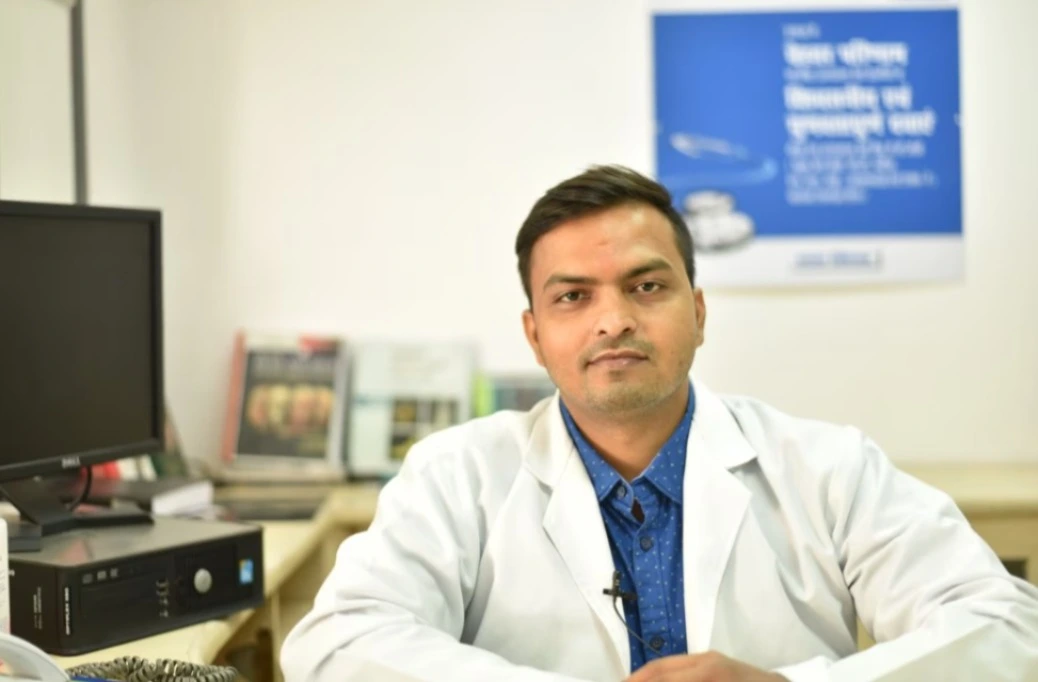
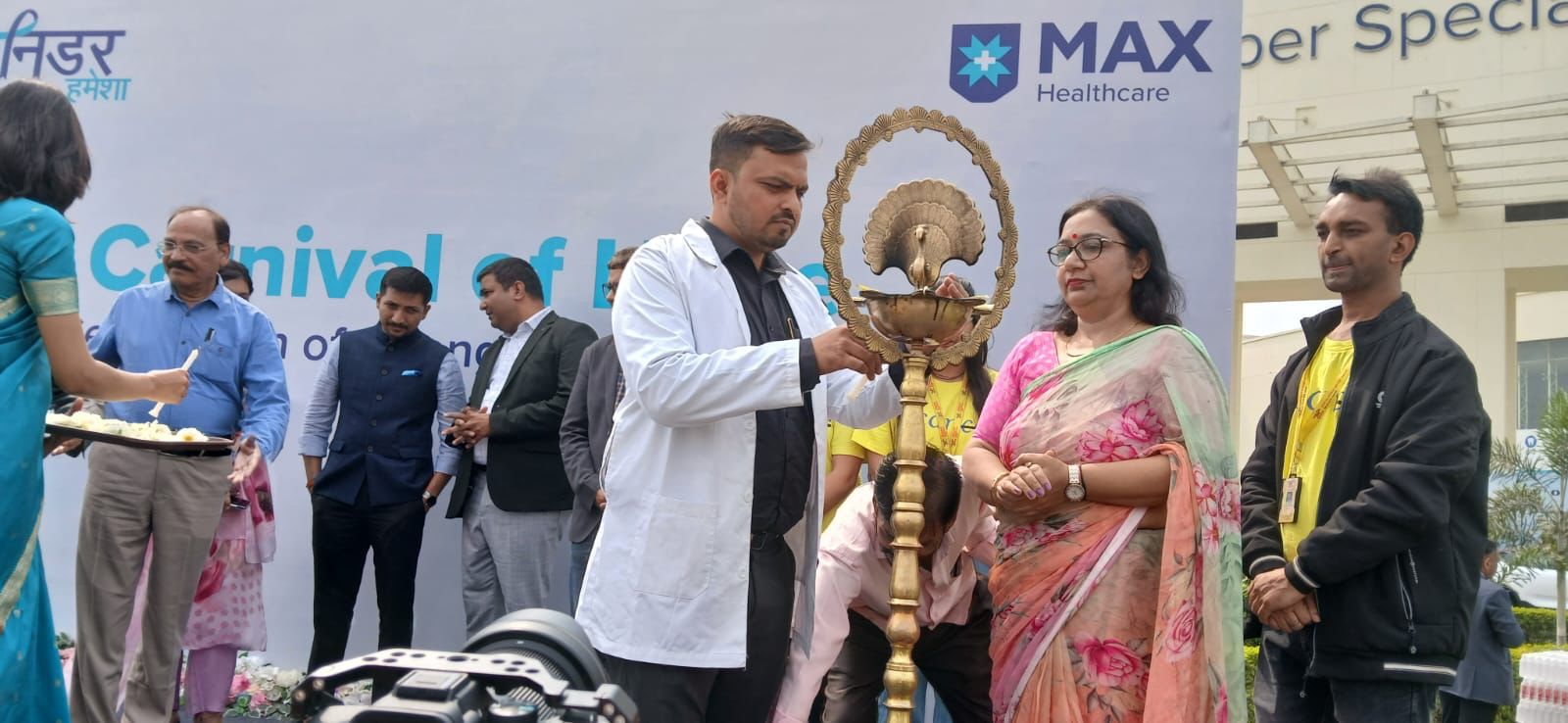
As a Cancer doctor in Lucknow, my goal is to bridge the gap between clinical data and everyday lifestyle choices. In this guide, we will explore the factors driving this trend, the hidden risks of modern living, and how proactive screening can save lives.
Is Cancer Really Increasing Among Young Adults?
The short answer is yes. Recent global studies indicate that the incidence of early-onset cancers (diagnosed in adults under 50) has risen significantly over the last three decades.
In the past, many of these cases were attributed to rare genetic mutations. However, the current spike cannot be explained by genetics alone. We are seeing a “birth cohort effect,” meaning that each successive generation is at a slightly higher risk than the one before it.
Why the shift?
- Earlier Detection: We are better at finding cancer than we were thirty years ago. Improved diagnostic tools and increased health awareness mean more cases are being identified early.
- Changing Biology: Researchers believe that the biological landscape of our bodies is changing earlier in life due to external triggers, leading to “accelerated aging” of our cells.
- The Shift in Disease Patterns: We are seeing a rise in “lifestyle-related” cancers—such as colorectal, kidney, and liver cancer—appearing in younger age groups who may not have been screened historically.
While these statistics may seem daunting, it is important to remember that we are also living in an era of unprecedented medical advancement. Early diagnosis today often leads to highly successful treatment outcomes.
Lifestyle Changes That May Be Increasing Cancer Risk
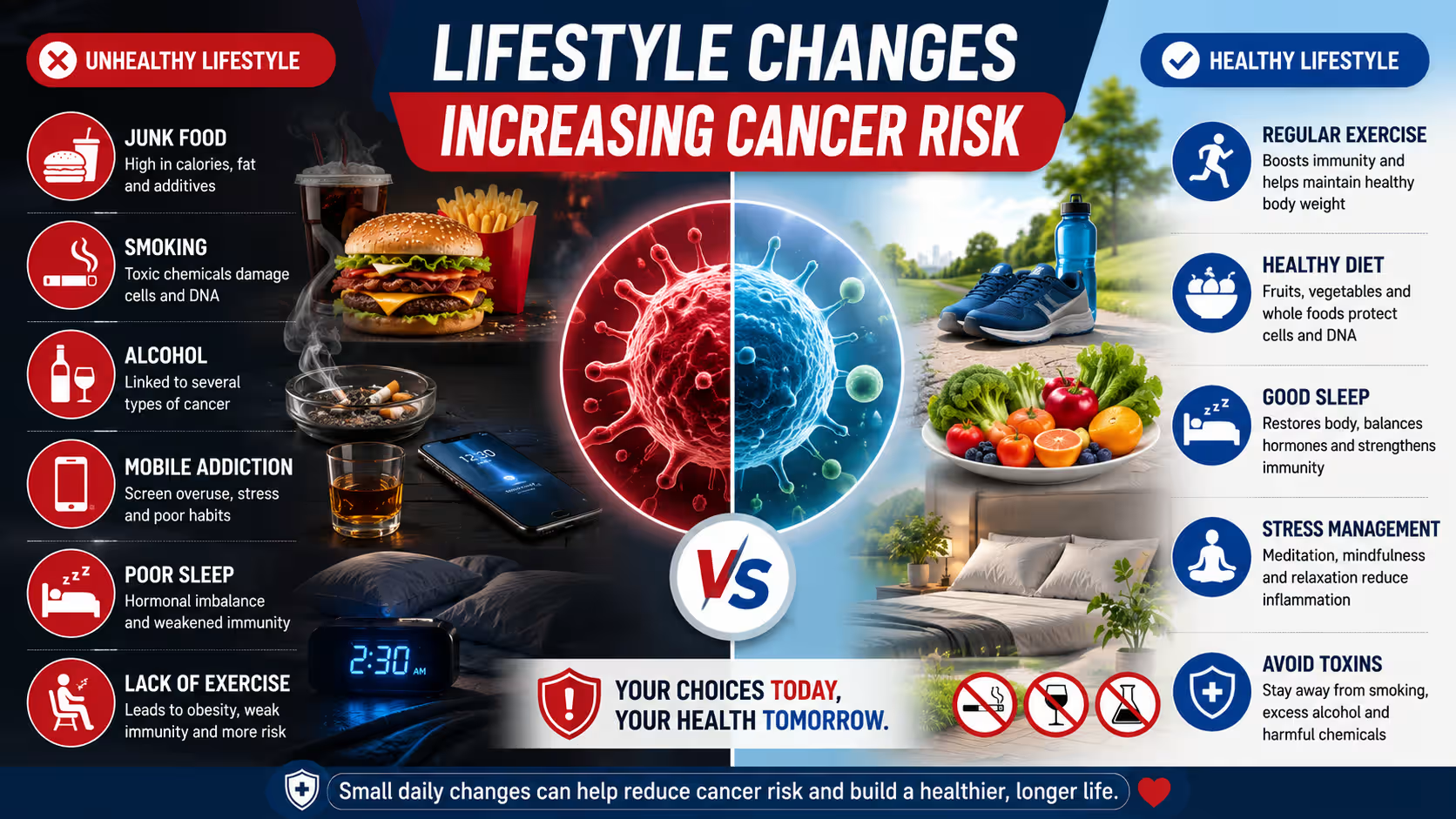
Our ancestors lived very different lives than we do today. The “modern lifestyle” has brought convenience, but it has also introduced metabolic challenges that our bodies are struggling to handle.
The Impact of Processed Foods
Our diets have shifted from whole, farm-fresh foods to ultra-processed products. These foods are often high in refined sugars, unhealthy fats, and chemical additives. Diets high in processed meats (like sausages and deli meats) have been directly linked to colorectal cancer. Furthermore, high sugar intake leads to insulin spikes, which can promote the growth of cancerous cells.
The Sedentary Epidemic
Between desk jobs and leisure time spent on smartphones, we are moving less than ever before. Physical inactivity doesn’t just lead to weight gain; it affects how our bodies regulate hormones and manage inflammation. Regular movement acts as a natural “cleanup” crew for our cells; without it, cellular waste can accumulate.
The Role of Obesity
Obesity is perhaps the most significant modifiable risk factor after smoking. Excess body fat isn’t just stored energy; it is an active metabolic tissue that produces estrogen and inflammatory cytokines. This chronic state of low-grade inflammation can damage DNA over time, leading to the development of various cancers.
Poor Sleep and Screen Time
We often overlook the importance of the circadian rhythm. Chronic sleep deprivation and exposure to blue light late at night disrupt melatonin production. Melatonin isn’t just a sleep hormone; it also has antioxidant properties that protect cells from damage.
Major Risk Factors Linked to Rising Cancer Cases
To help visualize the connection between our habits and our health, consider the following comparison:
| Risk Factor | Possible Impact on Cancer Risk |
| Smoking & Vaping | Causes direct DNA damage and introduces carcinogens into the bloodstream. |
| Obesity | Leads to chronic inflammation and hormonal imbalances (high insulin/estrogen). |
| Processed Diet | Damages the gut microbiome and promotes metabolic dysfunction. |
| Pollution | Long-term exposure to microplastics and PM2.5 particles causes cellular stress. |
| Alcohol Consumption | Produces acetaldehyde, a toxin that damages DNA and prevents repair. |
| Chronic Stress | Weakens the immune system’s ability to detect and destroy early cancer cells. |
| Family History | Increases susceptibility through inherited genetic mutations (e.g., BRCA1/2). |
Summary: While some factors like genetics are beyond our control, the majority of these risks are influenced by daily choices. Addressing even one or two of these areas can significantly lower your long-term risk profile.
Pollution, Stress & Modern Living — The Hidden Risks
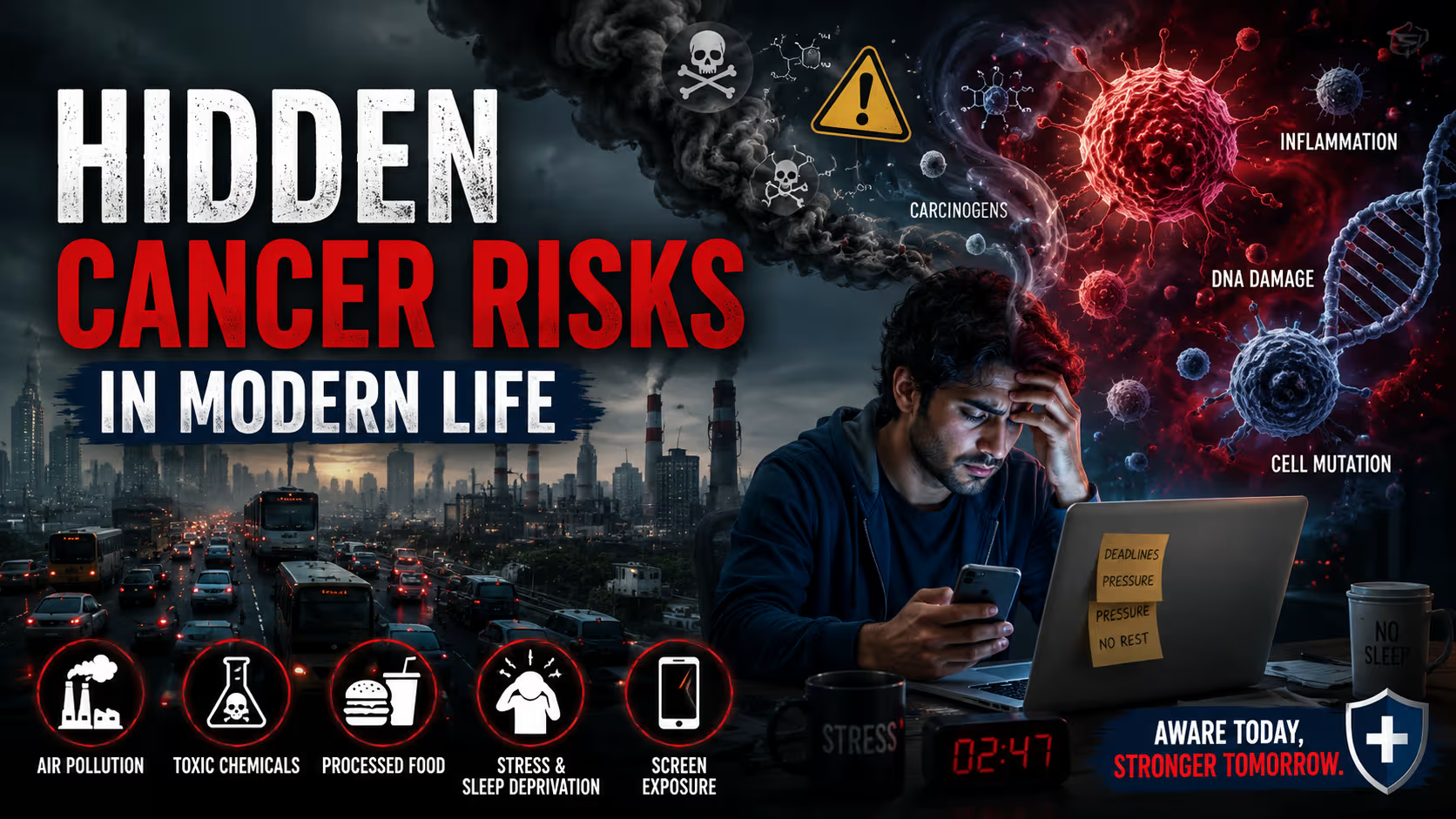
When we talk about cancer, we often focus on what we eat or do, but what about the environment we live in?
Environmental Toxins and Pollution
In rapidly developing urban areas, air and water pollution have become significant concerns. Fine particulate matter (PM2.5) can enter the lungs and bloodstream, causing systemic inflammation. Additionally, we are the first generation to be exposed to high levels of microplastics and “forever chemicals” (PFAS) found in non-stick cookware and food packaging. As a Best Cancer specialist in Lucknow, I often discuss with patients how local environmental factors might play a role in their overall health.
The “Stress” Connection
Modern life is fast-paced and high-pressure. Chronic stress keeps the body in a “fight or flight” mode, flooding the system with cortisol. While cortisol is necessary in short bursts, chronic elevation suppresses the immune system. A weakened immune system is less effective at “immunosurveillance”—the process of identifying and killing mutated cells before they become tumors.
Can Genetics Cause Cancer at a Young Age?
A common question I receive is, “I’m young and healthy; is this just in my genes?”
About 5% to 10% of all cancers are strictly hereditary, meaning they are caused by inherited gene mutations passed from parents to children. In younger patients, we do look more closely for these genetic markers, such as the BRCA mutations (linked to breast and ovarian cancer) or Lynch Syndrome (linked to colorectal cancer).
However, there is a distinction to be made:
- Inherited Genetics: You are born with a higher risk.
- Epigenetics: This is how your environment and lifestyle “turn on” or “turn off” certain genes.
Even if you have a family history, a healthy lifestyle can often influence how those genes express themselves. For those with a strong family history, consulting a Best Oncologist in Lucknow for genetic counseling can provide a roadmap for proactive screening.
Early Symptoms Young People Should Not Ignore
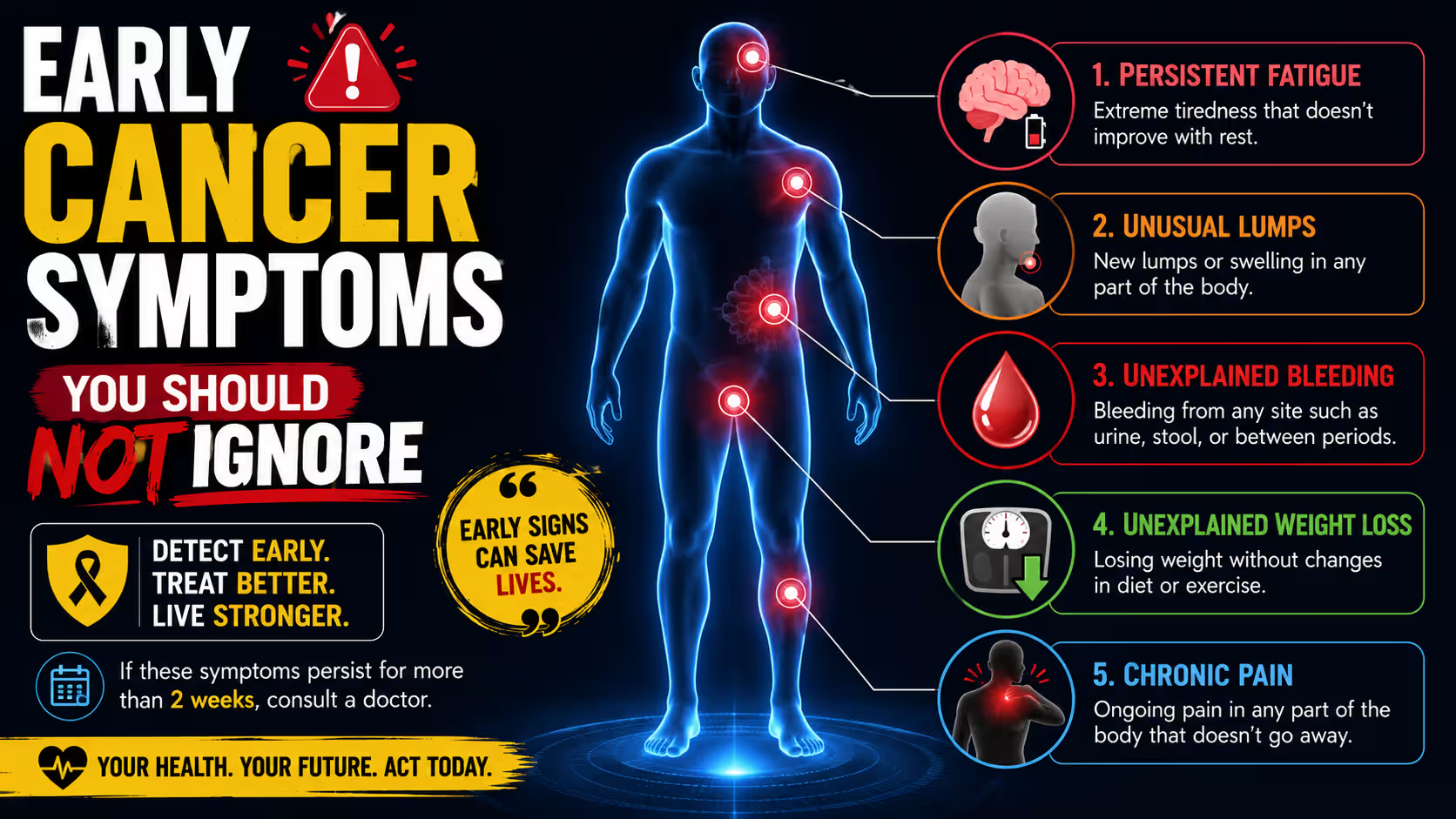
One of the biggest hurdles in treating young people is delayed diagnosis. Many young adults (and sometimes their doctors) dismiss symptoms because “they are too young for it to be cancer.”
If you experience any of the following for more than two to three weeks, please seek a medical consultation:
- Unexplained Weight Loss: Dropping weight without changes in diet or exercise.
- Persistent Fatigue: Tiredness that doesn’t go away with rest.
- Changes in Bowel Habits: Chronic constipation, diarrhea, or blood in the stool (often mistaken for hemorrhoids in young people).
- Unusual Lumps or Swelling: Any new mass in the breast, testicles, lymph nodes, or soft tissues.
- Persistent Cough or Hoarseness: A cough that lingers or difficulty swallowing.
- Unusual Bleeding: This includes between-period bleeding or blood in the urine.
- Skin Changes: New moles or changes to existing ones.
Remember: Having these symptoms does not mean you have cancer, but it does mean your body is asking for attention.
Why Early Detection Matters More Than Ever
The phrase “catch it early” is the cornerstone of oncology. When cancer is detected in its localized stage, the treatment is typically:
- Less Aggressive: Smaller surgeries and lower doses of systemic therapy.
- More Effective: Survival rates for most cancers are significantly higher when treated in Stage I or II.
- Better Quality of Life: Early treatment often means fewer long-term side effects.
Patients consulting experienced specialists, such as a Cancer doctor in Lucknow, often benefit from earlier diagnosis and more personalized treatment planning. We now have access to targeted therapies and immunotherapies that were unavailable just a decade ago, making “early detection” more powerful than ever.
A Real-Life Example: Rahul’s Story
To put this into perspective, let’s look at a case inspired by a real patient (names changed for privacy).
Rahul, a 34-year-old software engineer, began experiencing occasional abdominal bloating and a change in his bowel movements. Like many young professionals, he attributed it to “work stress” and a “poor diet” from late-night coding sessions. He treated himself with over-the-counter antacids for six months.
When the symptoms didn’t resolve, he finally visited a specialist. A colonoscopy revealed a Stage II tumor. Because he sought help when he did, we were able to perform a minimally invasive surgery, and Rahul is now cancer-free and an advocate for digestive health. His story highlights a crucial lesson: Listen to your body, no matter your age.
Can Lifestyle Changes Reduce Cancer Risk?
While we cannot eliminate risk, we can significantly “stack the deck” in our favor.
- Prioritize Fiber and Whole Foods: Fiber acts like a scrub brush for your colon and helps regulate blood sugar. Aim for colorful fruits, vegetables, and legumes.
- Move for 30 Minutes a Day: Whether it’s brisk walking, yoga, or weightlifting, physical activity lowers inflammation and balances hormones.
- Moderate or Eliminate Alcohol: Recent data suggests that there is no “safe” amount of alcohol regarding cancer risk, but reducing intake is a great start.
- Quit Smoking and Vaping: Vaping is not a “safe” alternative; it introduces different but still harmful chemicals into the lungs.
- Sun Protection: Use sunscreen and avoid tanning beds to prevent skin cancer, which is rising rapidly among young adults.
- Manage Stress: Find a practice—meditation, journaling, or a hobby-based one—that helps your nervous system reset.
Social Media, Fear & Cancer Misinformation
In the age of TikTok and Instagram, “health influencers” often promote “miracle cures” or “cancer-preventing smoothies.” It is vital to distinguish between healthy habits and medical misinformation.
- Avoid Self-Diagnosis: Searching symptoms online can lead to unnecessary panic or, worse, a false sense of security.
- Beware of “Alternative” Cures: No specific food or supplement can “cure” cancer. Evidence-based medicine combined with a healthy lifestyle is the only proven path.
- Trust the Experts: If you have concerns, speak with a qualified medical professional rather than relying on viral content.
Final Thoughts
The rising rate of cancer in young adults is a wake-up call, but it is not a reason to live in fear. It is a reason to live with intention. By understanding the risks associated with processed foods, obesity, and stress, and by refusing to ignore early warning signs, the younger generation can take control of their health trajectory.
Awareness and prevention are the most effective medicines we have. Small, sustainable changes in how we eat, move, and rest can create a significant shield against disease.
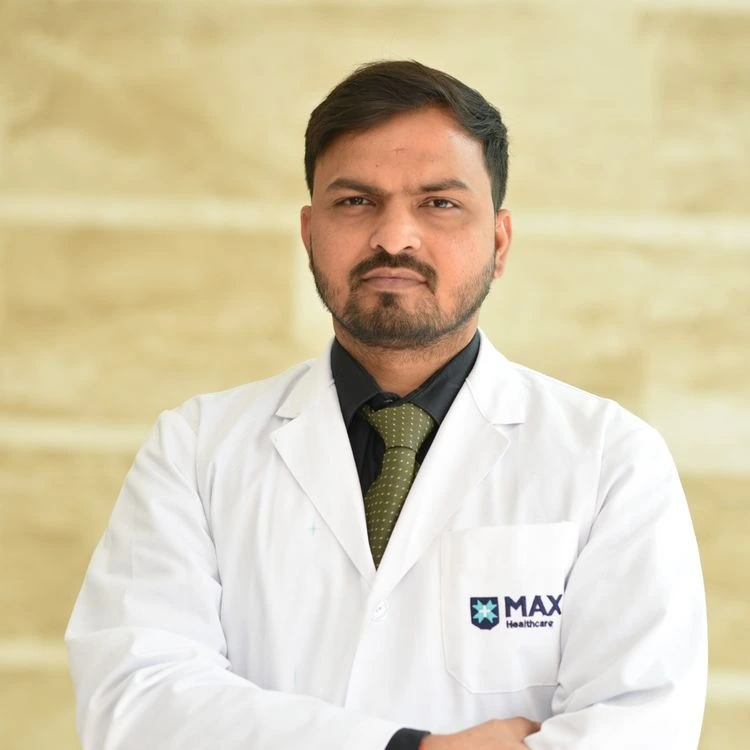
If you or a loved one are experiencing persistent symptoms or has a concerning family history, do not wait. Consulting experienced specialists like Dr. Shashank Chaudhary can help patients better understand symptoms, screening options, and preventive cancer care. Early medical attention doesn’t just improve outcomes—it provides peace of mind.
Frequently Asked Questions (FAQs)
1. Why are more young people getting cancer today?
The rise is attributed to a mix of lifestyle factors, including ultra-processed diets, sedentary behavior, and obesity. Environmental triggers like pollution and higher rates of chronic stress also contribute, alongside improved diagnostic techniques that catch cases earlier.
2. Can stress and lifestyle really increase cancer risk?
Yes. While stress doesn’t “cause” cancer directly, chronic stress weakens the immune system, making it harder for the body to repair DNA and kill off mutated cells. Lifestyle factors like poor diet and lack of exercise create a state of chronic inflammation, which is a known precursor to cancer.
3. Is cancer in young adults becoming more common?
Statistics show a clear upward trend in “early-onset” cancers, particularly colorectal, breast, and thyroid cancers, in people under the age of 50. This has made awareness and early screening more important for younger generations than ever before.
4. What are the early warning signs of cancer in young people?
Common signs include unexplained weight loss, persistent fatigue, lumps or swellings, changes in bowel or bladder habits, and unusual bleeding. Any symptom that lasts longer than two weeks should be evaluated by a doctor.
5. Can healthy habits reduce cancer risk?
Absolutely. While nothing can guarantee 100% prevention, maintaining a healthy weight, eating a fiber-rich diet, exercising regularly, and avoiding tobacco and excessive alcohol can significantly lower your risk of developing many types of cancer.
Take Action for Your Health
Cancer awareness is no longer only important for older adults. Understanding risk factors, recognizing early symptoms, and making healthier lifestyle choices can help improve long-term health and support earlier diagnosis.
Consult Dr. Shashank Chaudhary, recognized as a trusted Best Oncologist in Lucknow, for expert cancer guidance, screening, and treatment support. Your health is your greatest asset—protect it with professional care and proactive choices.