Cancers such as lung, pancreatic, liver, colorectal, breast, ovarian, and stomach cancers are among the most dangerous because they are often detected at advanced stages. While these are considered the deadliest cancers due to their aggressive nature, survival rates improve significantly with early diagnosis, specialized surgical intervention, and timely personalized treatment.
Introduction: Navigating the Landscape of Modern Oncology in 2026
As we move through 2026, the global medical community continues to make monumental strides in cancer research, diagnostic precision, and therapeutic interventions. However, despite these advancements, cancer remains one of the leading causes of mortality worldwide. Understanding the most dangerous cancers is not about fostering fear; it is about empowerment through knowledge. When patients and their families understand the specific risks associated with different malignancies, they are better equipped to take proactive steps toward prevention and seek early medical evaluation.
The term “dangerous” in oncology is multifaceted. It often refers to cancers with the highest mortality rates or those that are traditionally difficult to treat because they remain “silent” or asymptomatic until they have reached an advanced, metastatic stage. In the current healthcare landscape of 2026, the narrative is shifting from a focus on terminal statistics to a focus on survivability through precision care.
With the expertise of leading specialists like Dr. Shashank Chaudhary, who is widely recognized as the Best Cancer Specialist in Lucknow, even the most challenging diagnoses are being met with innovative surgical techniques and multidisciplinary care plans that were unimaginable a decade ago. The survival landscape for 2026 shows a clear trend: the gap between a “dangerous” diagnosis and a “survivable” outcome is bridged by early intervention and access to high-quality surgical oncology. Whether it is a complex abdominal malignancy or a localized tumor, seeking advice from the Oncologist ensures that patients receive the gold standard of care, combining surgical precision with the latest evidence-based oncological protocols.
Why Are Some Cancers More Dangerous Than Others?
Not all cancers behave the same way. The “danger” level of a malignancy is determined by its biological behavior, its location within the body, and the ease with which it can be detected during routine screenings.
Does Every Cancer Have the Same Survival Rate?
No. Survival rates vary drastically based on the organ of origin. For instance, the five-year survival rate for localized breast cancer or prostate cancer in 2026 is nearly 100%. Conversely, cancers like pancreatic or gallbladder cancer often have much lower survival rates. This is because these organs are located deep within the abdominal cavity, making it difficult for patients to feel a lump or for doctors to identify anomalies during a standard physical examination. Furthermore, some cancers are biologically more aggressive, meaning their cells divide and spread at a much faster rate than others.
Why Early Detection Can Save Lives
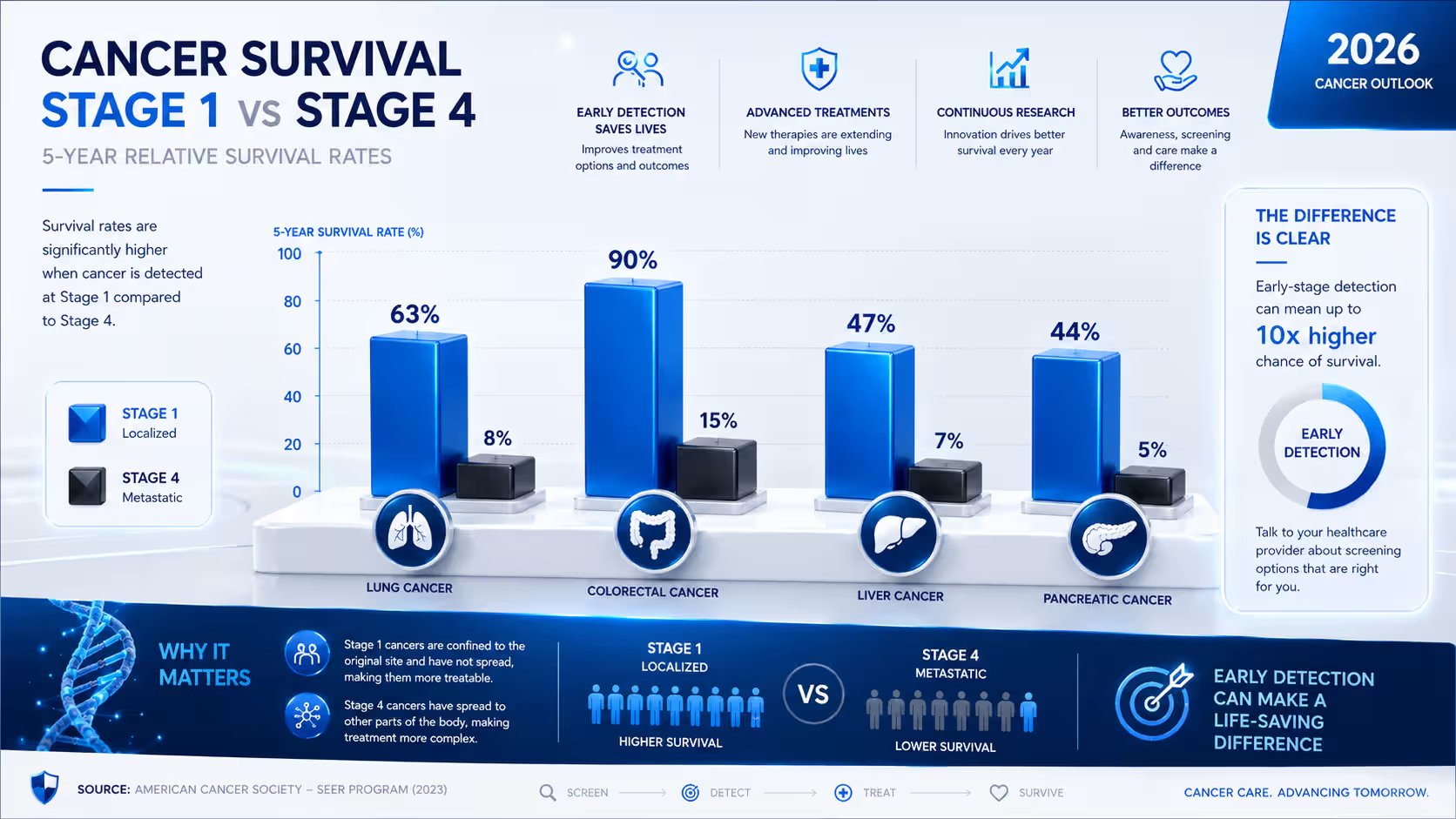
Early detection remains the single most effective tool in reducing cancer mortality. When a tumor is caught in its earliest stages (Stage I or II), it is usually localized to the organ where it started. This “window of opportunity” allows a specialist like Dr. Shashank Chaudhary to perform curative surgery, physically removing the threat before it can spread. As the Surgical Oncologist in Lucknow, Dr. Chaudhary emphasizes that identifying symptoms before they become debilitating—and attending regular screenings—can mean the difference between a routine surgical recovery and a long-term battle with systemic, advanced disease.
What Makes a Cancer More Dangerous?
To understand the deadliest cancers, we must look at the physiological and clinical factors that contribute to their lethality.
How Cancer Aggressiveness Is Measured
In 2026, oncology uses molecular profiling to measure aggressiveness. We look at the “grade” of the cancer cells. Low-grade cells look somewhat like normal cells and grow slowly. High-grade cells are poorly differentiated, appearing chaotic under a microscope, and they tend to invade nearby tissues rapidly. Furthermore, some cancers are “environmentally” dangerous—for example, lung cancer is lethal because the lungs are highly vascularized (filled with blood vessels), allowing cancer cells to hitch a ride on the bloodstream and travel to the brain or liver with ease.
Why Stage at Diagnosis Matters
The stage of cancer at the time of diagnosis is the most significant predictor of the outcome:
- Stage I & II: The cancer is localized. The primary treatment is often surgery, which offers a high chance of a permanent cure.
- Stage III: The cancer has spread to regional lymph nodes. This requires aggressive, multimodal treatment including surgery, chemotherapy, and radiation.
- Stage IV: Also known as metastatic cancer. The cancer has moved to distant organs. At this stage, treatment focuses on management, quality of life, and life extension rather than a definitive cure.
The Role of Metastasis
Metastasis is the process where cancer cells break away from the primary tumor, travel through the blood or lymphatic system, and form new tumors in other parts of the body. Once a cancer has metastasized, it is no longer a localized problem; it becomes a systemic disease that is significantly harder to eradicate completely.
Factors That Affect Survival Rates
Beyond the biology of the tumor, patient-specific factors such as age, overall health, genetic mutations (like BRCA1/2 or Lynch Syndrome), and access to high-quality surgical care play a role. Residents in Uttar Pradesh and surrounding regions often seek out the Best Oncologist in Lucknow to ensure that their surgical intervention is handled by an expert who understands the nuances of complex tumor resections and the importance of achieving “clear margins” (removing all detectable cancer).
Which Are the Most Dangerous Cancers in Men?
In 2026, men continue to face specific oncological risks, often exacerbated by lifestyle factors such as tobacco use and a historical tendency to delay medical consultations.
1. Lung Cancer (Leading Cause of Cancer Death)
- Survival Rate: ~25%–30% (Variable by stage)
- Why dangerous: It often remains asymptomatic until it has reached an advanced stage. The lungs’ extensive blood supply facilitates rapid metastasis to the brain and bones.
- Common symptoms: Persistent cough, coughing up blood, chest pain, shortness of breath.
2. Prostate Cancer (High Incidence, Variable Aggression)
- Survival Rate: ~97% (Overall), but much lower for metastatic cases.
- Why dangerous: While often slow-growing, aggressive subtypes can spread rapidly to the bones. It is the second most common cancer in men globally.
- Common symptoms: Difficulty urinating, frequent nighttime urination, blood in urine, pelvic discomfort.
3. Colorectal Cancer (Rising in Younger Men)
- Survival Rate: ~65%
- Why dangerous: It often starts as benign polyps that can turn malignant over years without any symptoms. If not caught via colonoscopy, it can penetrate the bowel wall and spread to the liver.
- Common symptoms: Changes in bowel habits, rectal bleeding, persistent abdominal cramps, unexplained weight loss.
4. Liver Cancer (Linked to Chronic Inflammation)
- Survival Rate: ~20%
- Why dangerous: The liver is a vital organ with no “backup.” Tumors here grow quickly, and since the liver filters all the body’s blood, cancer cells spread easily.
- Common symptoms: Jaundice (yellowing of skin/eyes), abdominal swelling (ascites), loss of appetite, upper abdominal pain.
5. Pancreatic Cancer (The Silent Killer)
- Survival Rate: ~12%
- Why dangerous: It is rarely detected early because the pancreas is hidden deep in the abdomen. It is highly resistant to many standard chemotherapies.
- Common symptoms: Mid-back pain, sudden onset of diabetes, jaundice, severe unexplained weight loss.
6. Stomach (Gastric) Cancer
- Survival Rate: ~32%
- Why dangerous: Symptoms are often mistaken for common indigestion or acid reflux, leading to delays in diagnosis.
- Common symptoms: Persistent nausea, feeling bloated after eating small amounts, severe heartburn, stomach pain.
Comparison Table: Deadliest Cancers in Men (2026 Data)
| Cancer Type | 5-Year Survival (Avg) | Common Symptoms | Primary Risk Factors |
| Lung | 25% – 30% | Chronic cough, blood in sputum | Smoking, Radon, Air Pollution |
| Prostate | 97% | Difficulty urinating, bone pain | Age, Family history, High-fat diet |
| Colorectal | 65% | Change in bowel habits, anemia | Red meat, Obesity, Alcohol |
| Liver | 20% | Jaundice, abdominal swelling | Alcohol, Hepatitis B/C, Fatty Liver |
| Pancreatic | 12% | Back pain, sudden weight loss | Smoking, Chronic Diabetes, Genetics |
| Stomach | 32% | Persistent indigestion, nausea | H. pylori infection, Salted/Smoked foods |
Which Are the Most Dangerous Cancers in Women?
Women face a distinct set of oncological challenges, with reproductive and hormonal cancers playing a significant role in mortality and morbidity in 2026.
1. Breast Cancer (Highest Incidence)
- Survival Rate: ~91%
- Why dangerous: While survival is high, it remains a leading killer due to its sheer prevalence and the risk of late-stage metastatic recurrence in the lungs, liver, or brain.
- Common symptoms: New lumps in the breast or underarm, skin dimpling, nipple discharge, changes in breast shape.
2. Ovarian Cancer (The Cancer That Whispers)
- Survival Rate: ~50%
- Why dangerous: There is currently no effective routine screening test for ovarian cancer. Symptoms are vague and often dismissed as “menopause” or “bloating.”
- Common symptoms: Persistent abdominal bloating, pelvic pain, feeling full quickly, frequent urination.
3. Cervical Cancer (Preventable but Deadly)
- Survival Rate: ~67%
- Why dangerous: In many regions, a lack of regular Pap smears or HPV vaccinations allows this cancer to progress silently until it involves the bladder or rectum.
- Common symptoms: Abnormal vaginal bleeding, pain during intercourse, pelvic pain.
4. Lung Cancer (Rising in Non-Smokers)
- Survival Rate: ~30%
- Why dangerous: 2026 data shows an increase in lung cancer among women who have never smoked, likely due to environmental pollutants and secondhand smoke.
- Common symptoms: Shortness of breath, persistent fatigue, chest discomfort, wheezing.
5. Colorectal Cancer
- Survival Rate: ~64%
- Why dangerous: Similar to men, it is often missed because women may attribute abdominal discomfort to gynecological issues.
- Common symptoms: Narrow stools, rectal bleeding, iron-deficiency anemia, abdominal pain.
6. Pancreatic Cancer
- Survival Rate: ~12%
- Why dangerous: It affects women almost as frequently as men and carries the same high risk of late-stage diagnosis and treatment resistance.
- Common symptoms: Jaundice, itchy skin, pale stools, dark urine.
Comparison Table: Deadliest Cancers in Women (2026 Data)
| Cancer Type | 5-Year Survival (Avg) | Common Symptoms | Primary Risk Factors |
| Breast | 91% | Lumps, skin changes, discharge | Genetics (BRCA), Age, Hormones |
| Ovarian | 50% | Bloating, pelvic pressure | Family history, Age, Endometriosis |
| Cervical | 67% | Abnormal bleeding, pelvic pain | HPV infection, Smoking, Low immunity |
| Lung | 30% | Shortness of breath, fatigue | Pollution, Secondhand smoke, Radon |
| Colorectal | 64% | Rectal bleeding, narrow stools | Low fiber diet, Sedentary lifestyle |
| Pancreatic | 12% | Jaundice, new-onset diabetes | Obesity, Smoking, Chronic Pancreatitis |
Which Cancer Has the Lowest Survival Rate?
When discussing the most dangerous cancers, certain names consistently appear at the top of the mortality list because of their biological complexity and the “hidden” nature of the organs they affect.
Why Pancreatic Cancer Is Difficult to Detect
The pancreas is located deep in the abdomen, tucked behind the stomach. This anatomical position means that tumors cannot be felt during a physical exam. By the time a patient develops jaundice or significant pain, the cancer has often wrapped around major blood vessels like the superior mesenteric artery, making surgical removal—which is the only hope for a cure—extremely challenging. This is why consulting an expert like Dr. Shashank Chaudhary at the first sign of persistent digestive issues is crucial.
Why Lung Cancer Remains a Leading Cause of Cancer Death
The lungs are essentially a network of air sacs and blood vessels. This “vascular highway” allows lung cancer cells to travel to the brain, bones, and liver very early in the disease process. Furthermore, many people attribute a “smoker’s cough” to lifestyle rather than a growing tumor, delaying diagnosis until the cancer is Stage III or IV.
Why Liver Cancer Often Progresses Rapidly
The liver is the body’s primary metabolic and filtration hub. When cancer takes hold, it rapidly impairs the body’s ability to detoxify blood and produce essential proteins. Most liver cancers arise in the context of chronic liver disease (cirrhosis), which means the patient’s liver function is already compromised, making aggressive treatments like surgery or heavy chemotherapy more difficult for the body to tolerate.
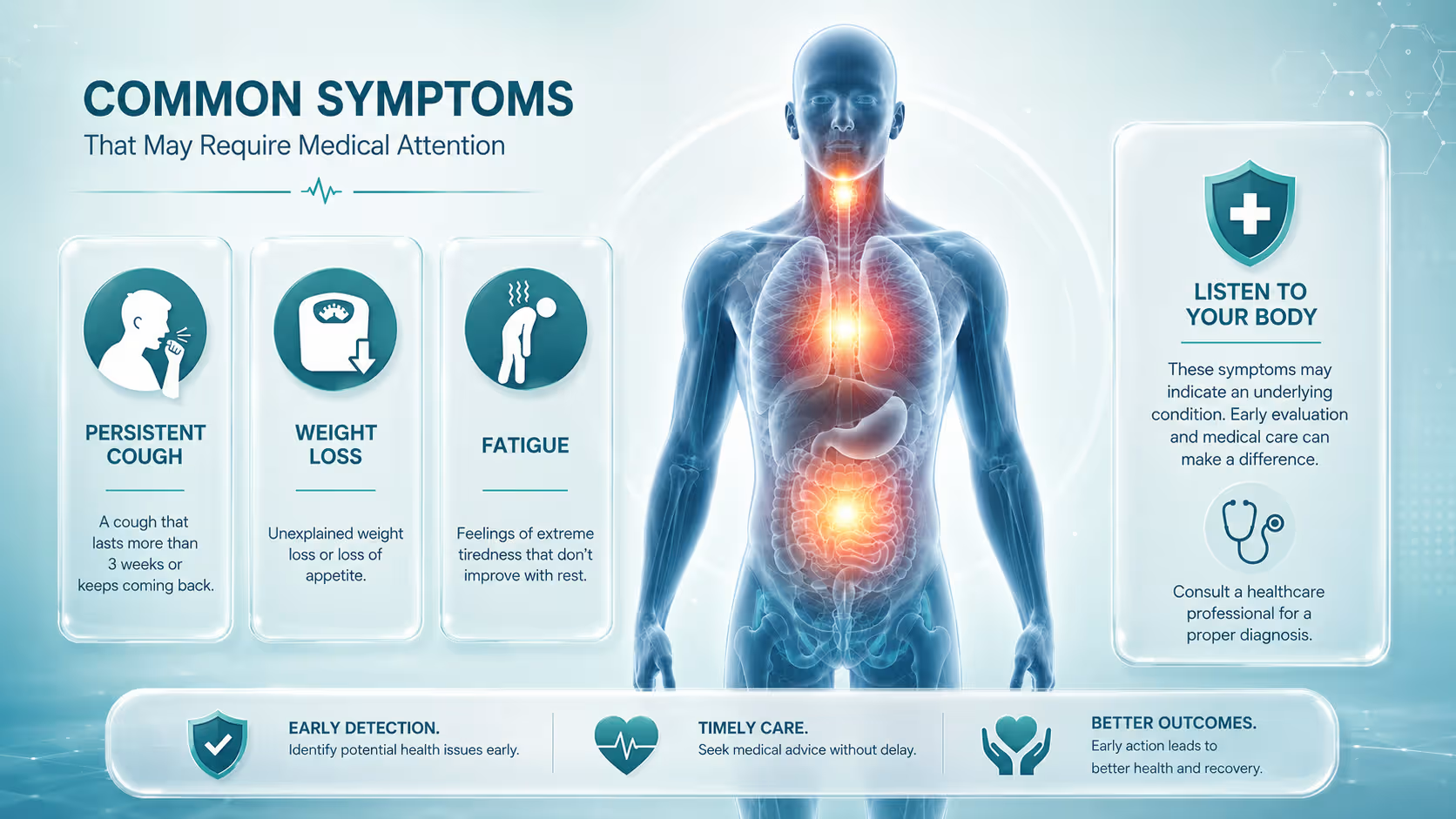
What Are the Early Warning Signs of Dangerous Cancers?
Recognizing these symptoms early can be life-saving. If you experience any of the following for more than two weeks, you should seek a consultation with the Best Surgical Oncologist in Lucknow.
- Unexplained Weight Loss: Losing 5kg or more without diet or exercise is often the first sign of pancreatic, stomach, or lung cancer.
- Persistent Fatigue: Extreme tiredness that doesn’t improve with rest can indicate that a tumor is consuming the body’s energy or causing internal blood loss.
- Changes in Bowel or Bladder Habits: Chronic constipation, diarrhea, or a change in the size of the stool can be a sign of colorectal cancer.
- Persistent Cough: A cough that lasts for weeks or results in coughing up blood is a primary sign of lung cancer.
- Difficulty Swallowing: Known as dysphagia, this can indicate esophageal or throat cancer.
- Unusual Bleeding or Discharge: This includes vaginal bleeding between periods (cervical/uterine cancer) or blood in the urine (bladder/kidney cancer).
- Non-Healing Sores: Sores that don’t heal on the skin or inside the mouth can be signs of skin or oral cancer.
- Persistent Pain: Chronic back pain can be linked to pancreatic cancer, while persistent pelvic pain may indicate ovarian cancer.
What Increases the Risk of Developing Cancer?
While some risks are unavoidable (like aging), many are environmental or lifestyle-related.
- Tobacco Use: Tobacco is the single largest preventable cause of cancer, responsible for nearly 80% of lung cancer deaths.
- Alcohol Consumption: Linked to cancers of the liver, breast, esophagus, and colon.
- Obesity: Excess body fat causes chronic inflammation and changes in hormone levels (like insulin and estrogen) that can fuel cancer growth.
- Poor Diet: Diets high in processed meats, sugar, and refined flours, and low in fiber, are strongly linked to colorectal and stomach cancers.
- Physical Inactivity: Regular exercise helps regulate hormones and boosts the immune system’s ability to find and kill cancer cells.
- Family History: Inherited genetic mutations (like BRCA1, BRCA2, or Lynch Syndrome) significantly increase the lifetime risk of developing breast, ovarian, and colon cancers.
- Environmental Exposure: Long-term exposure to asbestos, radon gas, and heavy air pollution is a major contributor.
- Viral Infections: Chronic infections like HPV (Cervical), Hepatitis B and C (Liver), and H. pylori (Stomach).
Can Dangerous Cancers Be Prevented?
In 2026, we estimate that up to 40% of all cancer cases could be prevented through lifestyle modifications and medical intervention.
- Lifestyle Changes: Quitting smoking and limiting alcohol intake are the most impactful steps an individual can take.
- Importance of Regular Screening: Mammograms, Colonoscopies, and PSA tests can catch “dangerous” cancers while they are still 100% curable.
- Vaccinations: The HPV vaccine can virtually eliminate cervical cancer if administered widely, and the Hepatitis B vaccine significantly reduces liver cancer risk.
- Maintaining a Healthy Weight: Weight management reduces the risk of 13 different types of cancer.
- Avoiding Tobacco: There is no safe level of tobacco use. Avoiding both first-hand and second-hand smoke is essential.
How Are These Cancers Diagnosed?
Diagnostic technology in 2026 is more precise than ever, allowing the Top Surgical Oncologist in Lucknow to create a detailed “roadmap” of the cancer before treatment begins.
| Test Type | When It Is Used | What It Detects |
| Physical Exam | Initial consultation | Lumps, organ enlargement, skin changes |
| Blood Tests | Screening/Monitoring | Tumor markers (CEA, CA-125, PSA) and organ function |
| Imaging (CT/MRI/PET) | Staging | The exact size, location, and spread of the tumor |
| Biopsy | Confirmation | The specific type and molecular grade of cancer cells |
| Genetic Testing | Risk assessment | Hereditary mutations that may guide treatment choice |
| Liquid Biopsy | 2026 Innovation | Fragments of cancer DNA circulating in the blood |
What Treatment Options Are Available Today?
The treatment for the most dangerous cancers is no longer a “one-size-fits-all” approach. It is multidisciplinary and highly personalized.
Surgery
Surgery remains the most effective way to cure localized cancer. In Lucknow, Dr. Shashank Chaudhary utilizes advanced techniques to remove tumors while preserving as much healthy tissue and organ function as possible. As the Surgical Oncologist, he specializes in complex resections for abdominal, thoracic, and head-and-neck malignancies.
Chemotherapy & Radiation Therapy
These are often used before surgery (neoadjuvant) to shrink tumors or after surgery (adjuvant) to kill any remaining microscopic cells that could cause a recurrence.
Targeted Therapy & Immunotherapy
Immunotherapy is a revolutionary treatment that “unmasks” cancer cells, allowing the patient’s own immune system to recognize and destroy them. Targeted therapies focus on specific genetic mutations within the tumor, blocking its ability to grow.
Precision Medicine
By testing the DNA of a patient’s specific tumor, doctors in 2026 can prescribe drugs that are custom-tailored to that individual’s cancer, significantly increasing the chances of success.
How Have Cancer Survival Rates Improved in Recent Years?
We are living in an era of hope. Survival rates for even the deadliest cancers are rising due to:
- Advances in Early Detection: Low-dose CT scans for smokers and improved liquid biopsies are catching lung and pancreatic cancers earlier than ever before.
- Personalized Treatment Plans: By tailoring treatment to the tumor’s genetic profile, outcomes have improved significantly in several categories.
- New Surgical Techniques: Minimally invasive and robotic surgeries mean less pain, faster recovery times, and fewer surgical complications.
- Emerging Cancer Therapies: Breakthroughs in CAR-T cell therapy and cancer vaccines are moving from clinical trials into standard care.
When Should You Consult a Cancer Specialist?
Time is the most critical factor in treating cancer. You should consult a specialist if you have:
- Persistent symptoms (cough, weight loss, pain) that last more than two weeks.
- A strong family history of a specific cancer.
- A diagnosis from a general physician that requires a specialized surgical opinion.
For those in Uttar Pradesh, consulting with the Cancer Specialist in Lucknow ensures you are getting a specialized perspective that is essential for complex cases. Dr. Shashank Chaudhary provides comprehensive evaluations for patients facing high-risk diagnoses, helping them navigate the complexities of modern cancer care.
Expert Insights: Dr. Shashank Chaudhary on Early Diagnosis
According to Best Surgical Oncologist in Lucknow, “The word ‘dangerous’ should be a catalyst for action, not despair. In 2026, we have the tools to manage and often cure cancers that were considered terminal just a generation ago. The key lies in the ‘Triple Threat’ against cancer: Early Awareness, Accurate Staging, and Precise Surgical Intervention.”
Dr. Chaudhary emphasizes that recognizing warning signs early, undergoing timely screening, and choosing personalized treatment significantly improve patient outcomes. He advocates a proactive approach in which patients do not ignore minor symptoms, as early surgical intervention often offers the best chance of a definitive cure.
Common Myths About Cancer
| Myth | Fact |
| Every cancer is fatal. | Many cancers now have survival rates exceeding 90% if caught early. |
| Only older adults get cancer. | While age is a risk, many cancers (like colorectal) are rising in younger adults. |
| Surgery causes cancer to spread. | Surgery is the primary cure for most solid tumors. Modern techniques prevent “seeding.” |
| Cancer always causes pain. | Early-stage cancer is often completely painless, which is why screening is vital. |
| A healthy lifestyle guarantees you won’t get cancer. | It significantly reduces risk, but genetics and environment still play a role. |
Key Takeaways
- Early Detection Improves Survival: The “most dangerous” cancers are often those caught too late.
- Know the Warning Signs: Don’t ignore persistent changes in your body, especially unexplained weight loss or cough.
- Understand Your Personal Risk Factors: Genetics, lifestyle, and environment all contribute to your risk profile.
- Regular Screening Saves Lives: Follow the 2026 guidelines for mammograms, colonoscopies, and HPV tests.
- Modern Cancer Treatments Continue to Improve Outcomes: Precision medicine and expert surgical oncology are changing the statistics.
Conclusion
While the most dangerous cancers—like lung, pancreatic, and liver cancer—pose a significant threat to health in 2026, they are no longer the “death sentences” they once were. The integration of advanced diagnostics, immunotherapy, and the specialized skill of surgical oncologists has transformed the outlook for millions of patients.
Knowledge is your first line of defense. By understanding the risk factors, recognizing the early warning signs, and committing to regular screenings, you can significantly reduce the danger posed by these diseases. If you or a loved one is concerned about cancer risks or has received a diagnosis, do not wait. Early medical evaluation is your most powerful weapon. For expert guidance and world-class surgical care, consult the Best Surgical Oncologist in Lucknow. Taking the first step today can change the course of your health journey tomorrow.
FAQs
Which cancer has the highest death rate?
Pancreatic cancer generally has the highest death rate due to its late-stage diagnosis and aggressive nature. However, lung cancer accounts for the highest total number of cancer deaths globally because it is more common. Early detection through screening is the best way to improve these outcomes.
Which cancers are most common in men?
In 2026, the most common cancers in men include prostate, lung, and colorectal cancer. While prostate cancer has a high survival rate, lung and colorectal cancers are considered more dangerous because they are often diagnosed at more advanced stages.
Which cancers are most common in women?
Breast cancer remains the most common cancer in women, followed by lung and colorectal cancers. Ovarian and cervical cancers also represent significant health risks, though cervical cancer is highly preventable through HPV vaccination and regular Pap tests.
Can dangerous cancers be cured if detected early?
Yes. Even the most aggressive cancers, such as lung or colorectal cancer, have high cure rates if they are detected in Stage I. This is why consulting the Best Surgical Oncologist in Lucknow at the first sign of symptoms is vital for a successful outcome.
What are the earliest warning signs of cancer?
The earliest signs include unexplained weight loss, persistent fatigue, a cough that doesn’t go away, changes in bowel habits, and unusual lumps or bleeding. Any symptom that persists for more than two weeks should be evaluated by a medical professional.
Which lifestyle habits increase cancer risk?
The most significant risks are tobacco use, excessive alcohol consumption, a diet high in processed meats, physical inactivity, and obesity. Protecting your skin from UV rays and staying up to date on vaccinations like HPV also reduces risk.
How often should adults undergo cancer screening?
Generally, colorectal screening starts at age 45, and mammograms at age 40. However, if you have a family history or genetic risk factors, you may need earlier screenings. Consult a specialist to create a personalized screening schedule.
What is the five-year survival rate for common cancers?
Survival rates vary: Prostate (97%), Breast (91%), Colorectal (65%), and Lung (25-30%). These numbers are averages; individual outcomes depend heavily on the stage of the cancer at diagnosis and the quality of surgical care received.
When should I consult a surgical oncologist?
You should consult a surgical oncologist like Dr. Shashank Chaudhary if you have been diagnosed with a solid tumor, need a biopsy for a suspicious mass, or require an expert opinion on the most effective surgical treatment for your cancer.
Can cancer be prevented completely?
While no one can guarantee 100% prevention due to genetic and environmental factors, up to 50% of cancers can be avoided through healthy lifestyle choices, vaccinations, and proactive screening to catch pre-cancerous changes early.