Cancer treatment has become more advanced than ever before, helping millions of people live longer and healthier lives. Treatments such as chemotherapy, radiation therapy, immunotherapy, targeted therapy, and cancer surgery are highly effective in treating many types of cancer. However, these treatments may also cause temporary side effects that can affect a patient’s physical and emotional well-being.
The good news is that most cancer treatment side effects can be managed successfully with proper medical care, healthy lifestyle habits, balanced nutrition, and support from caregivers. Understanding these side effects and knowing how to deal with them can make the treatment journey safer and more comfortable.
Whether you are undergoing treatment yourself or caring for a loved one, this guide will help you understand why side effects occur, what symptoms to expect, and the best ways to manage them at home.
Quick Summary
✔ Most side effects are temporary and treatable.
✔ Eating a healthy diet supports recovery.
✔ Drinking enough water helps prevent dehydration and fatigue.
✔ Report severe symptoms to your doctor immediately.
✔ Caregivers play an important role in improving a patient’s quality of life.
What Are Cancer Treatment Side Effects?
Cancer treatment side effects are unwanted physical or emotional changes that occur during or after cancer therapy. These side effects happen because cancer treatments not only destroy cancer cells but may also temporarily affect healthy cells.
Not every patient experiences the same symptoms. Some people may have only mild discomfort, while others may need additional medicines or supportive care.
Several factors influence the type and severity of side effects, including:
- Type of cancer
- Stage of cancer
- Type of treatment
- Treatment dose
- Age
- Overall health
- Existing medical conditions
The good news is that many side effects improve gradually after treatment is completed.
Why Do Cancer Treatment Side Effects Occur?
Cancer cells grow and divide much faster than normal cells. Most cancer treatments are designed to destroy these rapidly growing cells. Unfortunately, some healthy cells—such as those in the hair follicles, digestive tract, mouth, skin, and bone marrow—also divide quickly and can be temporarily affected during treatment.
This is why patients may experience symptoms such as fatigue, nausea, mouth sores, hair loss, or reduced immunity.
Different cancer treatments affect the body in different ways.
Common Cancer Treatments and Their Side Effects
| Treatment | Common Side Effects | How They Can Be Managed |
|---|---|---|
| Chemotherapy | Hair loss, nausea, vomiting, fatigue, low immunity, mouth sores | Anti-nausea medicines, hydration, nutritious diet, infection prevention |
| Radiation Therapy | Skin irritation, swelling, fatigue, dry mouth | Gentle skin care, moisturizers, adequate rest |
| Immunotherapy | Fever, rash, diarrhea, joint pain | Regular monitoring, hydration, prompt reporting of symptoms |
| Targeted Therapy | Skin changes, diarrhea, high blood pressure | Routine follow-up, medications if needed |
| Cancer Surgery | Pain, swelling, infection risk, limited movement | Pain management, wound care, gradual physical activity |
Doctor’s Tip: Every patient responds differently to treatment. Never compare your symptoms with someone else’s. If you notice a new or worsening symptom, inform your oncology team as soon as possible.
Common Side Effects of Cancer Treatment
Although every patient’s experience is unique, the following side effects are among the most common.
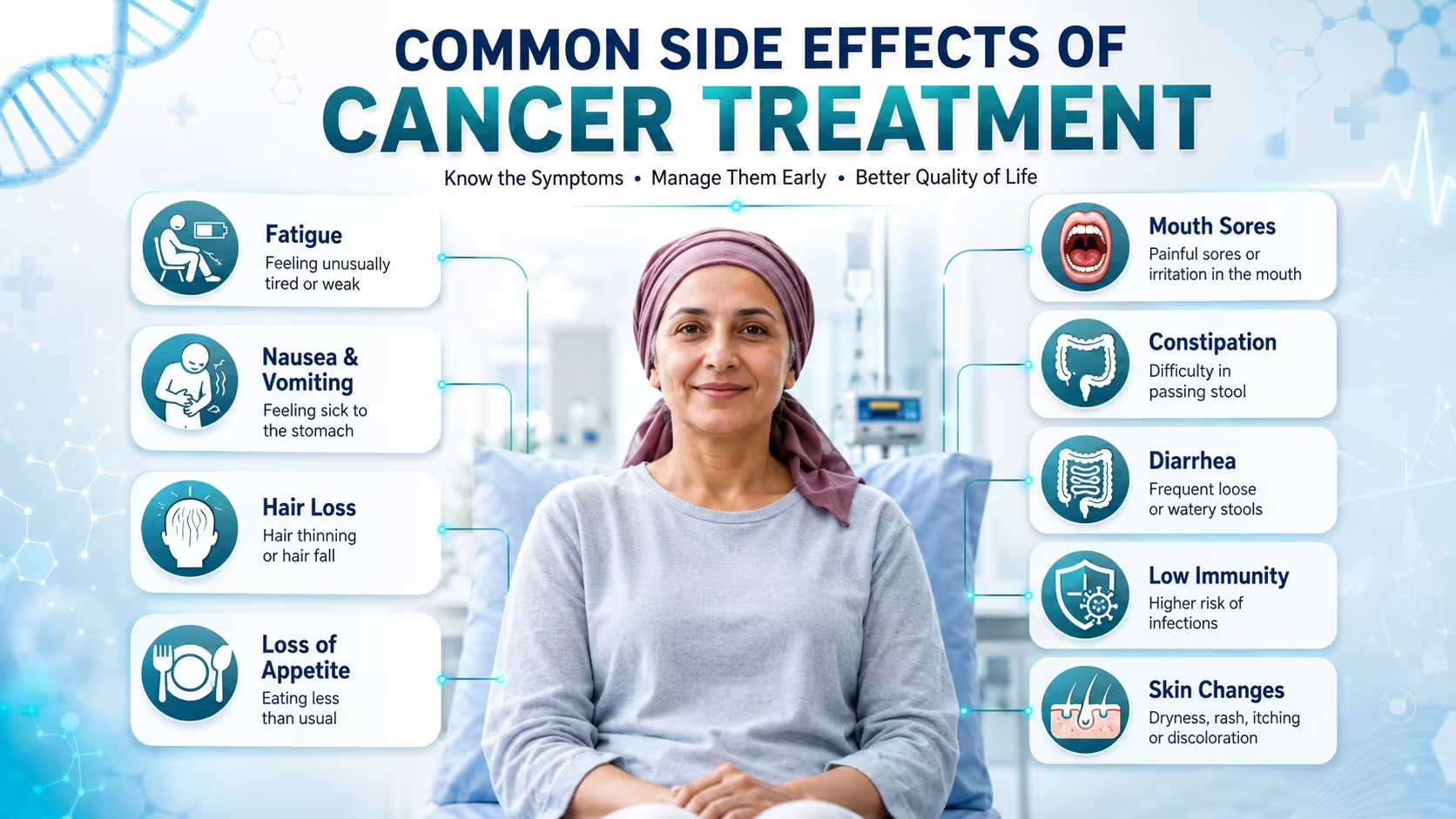
1. Fatigue
Cancer-related fatigue is much more than ordinary tiredness. It can affect your energy levels, concentration, and ability to perform everyday activities.
Unlike normal fatigue, it may not improve completely with sleep alone.
How to manage fatigue
- Sleep for 7–8 hours each night.
- Take short rest breaks during the day.
- Stay physically active with light walking if your doctor approves.
- Drink enough fluids.
- Eat protein-rich meals.
- Ask family members for help with strenuous tasks.
When to speak with your doctor
If fatigue suddenly becomes severe, prevents daily activities, or is accompanied by dizziness or shortness of breath, consult your healthcare provider.
2. Nausea and Vomiting
Chemotherapy is one of the most common causes of nausea and vomiting. Fortunately, modern anti-nausea medicines have made these symptoms much easier to control than in the past.
Tips to reduce nausea
- Eat small meals every 2–3 hours.
- Avoid spicy and oily foods.
- Drink water throughout the day.
- Sip ginger tea if approved by your doctor.
- Take prescribed anti-nausea medicines before symptoms become severe.
- Avoid strong food odors.
3. Hair Loss
Hair loss can be emotionally difficult, but it is usually temporary.
Not every chemotherapy drug causes complete hair loss, and hair often begins to grow back within a few months after treatment.
Tips for coping
- Use a gentle shampoo.
- Avoid heat styling.
- Protect your scalp from sunlight.
- Wear a cap, scarf, or wig if it makes you feel more comfortable.
- Remember that hair regrowth is a sign of recovery.
4. Loss of Appetite
Many patients notice changes in taste, smell, or appetite during treatment.
Poor nutrition may delay recovery and reduce energy levels.
Improve your appetite by
- Eating five or six small meals instead of three large meals.
- Choosing protein-rich foods.
- Drinking nutritious smoothies.
- Keeping healthy snacks nearby.
- Eating whenever you feel hungry.
5. Mouth Sores
Mouth sores may develop because chemotherapy and radiation therapy can damage the lining of the mouth.
They can make eating, drinking, and speaking uncomfortable.
Mouth care tips
- Brush gently with a soft toothbrush.
- Rinse your mouth with warm salt water.
- Avoid spicy, acidic, or very hot foods.
- Drink cool fluids.
- Inform your doctor if eating becomes difficult.
6. Constipation
Certain chemotherapy medicines, pain medications, and reduced physical activity may slow bowel movements.
Tips for relief
- Drink 8–10 glasses of water daily.
- Eat fruits, vegetables, and whole grains.
- Stay physically active.
- Use laxatives only if recommended by your doctor.
7. Diarrhea
Some treatments irritate the digestive system and may cause diarrhea.
Ignoring diarrhea can lead to dehydration.
What helps?
- Drink ORS or electrolyte solutions.
- Eat bananas, rice, toast, and applesauce.
- Avoid greasy foods.
- Contact your doctor if symptoms persist.
8. Low Immunity
Cancer treatments can lower white blood cell counts, increasing the risk of infections.
Reduce your infection risk by
- Washing hands frequently.
- Avoiding crowded places.
- Eating freshly cooked meals.
- Wearing a mask if advised.
- Monitoring your temperature.
9. Skin Changes
Radiation therapy often causes skin irritation in the treated area.
Patients may notice:
- Dryness
- Redness
- Itching
- Darkening of the skin
- Sensitivity
Skin care tips
- Use mild soap.
- Apply moisturizer recommended by your doctor.
- Wear loose cotton clothing.
- Protect treated skin from sunlight.
- Avoid scratching the affected area.
Quick Guide: Managing Common Side Effects at Home
| Side Effect | Simple Home Care Tips |
|---|---|
| Fatigue | Rest, light exercise, balanced meals |
| Nausea | Small meals, ginger, prescribed medicines |
| Hair Loss | Gentle hair care, protect the scalp |
| Mouth Sores | Salt-water rinses, soft foods |
| Constipation | Fiber-rich foods, hydration, walking |
| Diarrhea | ORS, bland diet, stay hydrated |
| Skin Changes | Moisturizer, loose clothing, sun protection |
| Low Immunity | Hand hygiene, avoid infections |
Nutrition Tips During Cancer Treatment
Food plays an essential role in helping the body recover from cancer treatment. A healthy diet supports immunity, maintains muscle strength, promotes wound healing, and reduces fatigue.
Instead of following strict diets, focus on eating a balanced variety of nutritious foods.
Best Foods to Include
Choose foods rich in protein, vitamins, minerals, and healthy fats.
| Eat More Of | Benefits |
|---|---|
| Fresh fruits | Vitamins, antioxidants, hydration |
| Green vegetables | Fiber, minerals, immune support |
| Eggs | High-quality protein |
| Fish and chicken | Lean protein for muscle repair |
| Lentils and beans | Plant-based protein |
| Paneer and yogurt | Calcium and protein |
| Whole grains | Long-lasting energy |
| Nuts and seeds | Healthy fats and calories |
Stay Hydrated
Drink fluids throughout the day, including:
- Water
- Coconut water
- Fresh soups
- Buttermilk (if tolerated)
- Lemon water
- Fresh fruit juices in moderation
Hydration helps reduce constipation, fatigue, and dehydration.
Foods to Limit
| Limit These Foods | Reason |
|---|---|
| Fried foods | Can worsen nausea |
| Sugary drinks | Low nutritional value |
| Processed foods | High in salt and unhealthy fats |
| Alcohol | May interfere with treatment |
| Raw or undercooked meat | Higher risk of infection |
| Excessively spicy foods | May irritate the digestive tract |
Key Takeaway
Good nutrition cannot cure cancer, but it can help your body tolerate treatment better, maintain strength, and recover more effectively.
The Important Role of Caregivers
Cancer treatment is not only challenging for patients—it also affects the people who care for them. Family members, friends, and caregivers play a vital role in helping patients cope with the physical, emotional, and practical challenges of treatment.
A supportive caregiver can improve a patient’s quality of life, reduce stress, and help ensure treatment is completed safely.
How Caregivers Can Support Patients
1. Help with Daily Activities
Many patients experience fatigue or weakness during treatment. Caregivers can assist with:
- Preparing nutritious meals
- Grocery shopping
- Household chores
- Personal hygiene (when needed)
- Transportation to hospital appointments
- Managing daily routines
Even small acts of kindness can make a big difference.
2. Keep Track of Medications
Cancer patients often take several medicines to manage treatment and side effects.
A caregiver can help by:
- Creating a medication schedule
- Setting reminders
- Checking prescription refills
- Ensuring medicines are taken correctly
- Informing the doctor about any side effects
Never stop or change medications without medical advice.
3. Monitor Symptoms
Keeping a record of symptoms helps doctors adjust treatment if needed.
Monitor for:
- Fever
- Vomiting
- Diarrhea
- Pain
- Swelling
- Mouth sores
- Skin changes
- Difficulty breathing
- Loss of appetite
A simple notebook or mobile app can help track daily symptoms.
4. Offer Emotional Support
A cancer diagnosis can cause fear, anxiety, and uncertainty.
Caregivers can help by:
- Listening without judgment
- Encouraging open conversations
- Providing reassurance
- Celebrating small milestones
- Helping patients stay positive without forcing optimism
Sometimes, simply being present is the best form of support.
5. Take Care of Yourself
Caregiving can be physically and emotionally demanding.
To avoid burnout:
- Take regular breaks.
- Eat healthy meals.
- Sleep well.
- Ask family members for help.
- Join a caregiver support group if needed.
A healthy caregiver is better equipped to care for someone else.
Common Mistakes Patients Should Avoid
Many treatment-related complications can be prevented by avoiding common mistakes.
Ignoring New Symptoms
Do not assume every symptom is “normal.”
Contact your doctor if you experience:
- Fever
- Severe pain
- Persistent vomiting
- Difficulty breathing
- Heavy bleeding
- Sudden swelling
- Confusion
Early treatment often prevents complications.
Skipping Medications
Some patients stop medicines because they feel better or worry about side effects.
Never stop:
- Anti-nausea medicines
- Pain medicines
- Antibiotics
- Chemotherapy tablets
- Other prescribed medications
Always consult your oncology team first.
Poor Nutrition
Skipping meals may lead to:
- Weight loss
- Muscle weakness
- Delayed healing
- Reduced immunity
If eating is difficult, try smaller, more frequent meals and speak with a dietitian if needed.
Drinking Too Little Water
Dehydration can worsen:
- Fatigue
- Constipation
- Kidney problems
- Dizziness
Aim to drink fluids regularly unless your doctor advises otherwise.
Self-Medicating
Avoid taking:
- Herbal supplements
- Ayurvedic products
- Vitamins in high doses
- Over-the-counter medicines
Some may interact with cancer treatment or increase side effects.
Missing Follow-Up Appointments
Regular follow-up visits help your healthcare team:
- Monitor treatment response
- Detect complications early
- Adjust medications
- Manage side effects promptly
Never miss scheduled appointments without informing your doctor.
Smoking and Alcohol Use
Smoking and excessive alcohol can:
- Slow healing
- Increase infection risk
- Reduce treatment effectiveness
- Increase the risk of future cancers
Quitting these habits supports better recovery and overall health.
Myth vs Fact: Cancer Treatment Side Effects
| Myth | Fact |
|---|---|
| Every patient experiences the same side effects. | Side effects vary depending on the type of cancer, treatment, and individual health. |
| Hair loss happens with every cancer treatment. | Not all chemotherapy drugs or cancer treatments cause hair loss. |
| You should stop treatment if side effects become uncomfortable. | Never stop treatment without consulting your oncologist. Many side effects can be managed. |
| Eating less helps reduce nausea. | Small, nutritious meals often help control nausea and maintain energy levels. |
| Fatigue means you should stay in bed all day. | Light physical activity, when approved by your doctor, can actually help reduce fatigue. |
When Should You Contact Your Doctor Immediately?
Some side effects require urgent medical attention. Do not wait for your next appointment if you notice any of the following.
| Seek Immediate Medical Care If You Have: | Why It Matters |
|---|---|
| Fever of 100.4°F (38°C) or higher | May indicate a serious infection, especially if white blood cell counts are low. |
| Difficulty breathing | Could be a medical emergency. |
| Severe chest pain | Needs immediate evaluation. |
| Uncontrolled vomiting | Can lead to dehydration and electrolyte imbalance. |
| Persistent diarrhea | Increases the risk of dehydration. |
| Heavy bleeding | May indicate low platelet counts or another serious condition. |
| Blood in stool or vomit | Requires urgent medical attention. |
| Severe allergic reaction | May need emergency treatment. |
| Confusion or unusual drowsiness | Could indicate infection, dehydration, or other complications. |
| Severe pain not relieved by medicines | May require changes to your treatment plan. |
Important: Never ignore these warning signs. Contact your oncology team or visit the nearest emergency department immediately.
Key Takeaways
✔ Most cancer treatment side effects are temporary and manageable.
✔ Eating a balanced diet and staying hydrated support recovery.
✔ Follow your treatment plan and take medications exactly as prescribed.
✔ Caregivers play a crucial role in improving the patient’s comfort and quality of life.
✔ Report new or worsening symptoms to your healthcare team without delay.
✔ Regular follow-up appointments help manage side effects and improve treatment outcomes.
Conclusion
Managing the side effects of cancer treatment is an essential part of successful cancer care. While treatments such as chemotherapy, radiation therapy, immunotherapy, targeted therapy, and surgery may cause temporary discomfort, most side effects can be managed effectively with timely medical care, healthy nutrition, proper hydration, physical activity, and emotional support.
Every patient’s experience is different, so it is important to communicate openly with your healthcare team about any symptoms you experience. Early intervention can reduce discomfort, prevent complications, and help you complete your treatment safely.
Caregivers also play an invaluable role by providing practical assistance, emotional encouragement, and helping patients follow their treatment plans. Working together with an experienced oncology team can make the journey smoother and improve overall quality of life.
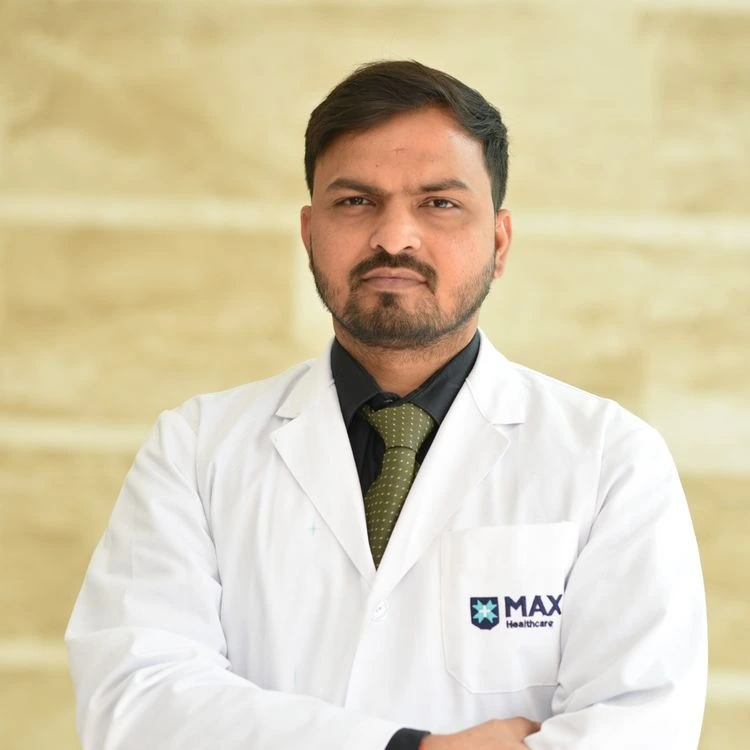
If you or a loved one is undergoing cancer treatment and needs expert guidance, Best Cancer doctor in Lucknow. With expertise in surgical oncology and a patient-centered approach, he provides comprehensive cancer care, advanced treatment options, and personalized support to help patients achieve the best possible outcomes.
Frequently Asked Questions (FAQs)
1. What are the most common side effects of cancer treatment?
The most common side effects include fatigue, nausea, vomiting, hair loss, loss of appetite, mouth sores, constipation, diarrhea, skin irritation, and a weakened immune system. The type and severity of side effects depend on the treatment and the patient’s overall health.
2. Can cancer treatment side effects be prevented?
Not all side effects can be prevented, but many can be reduced with proper medications, a healthy diet, adequate hydration, regular follow-up visits, and early communication with your healthcare team. Following your doctor’s instructions is the best way to manage treatment-related symptoms.
3. What foods should cancer patients eat during treatment?
Patients should eat a balanced diet that includes fruits, vegetables, whole grains, lean proteins, dairy products (if tolerated), nuts, and healthy fats. Eating small, frequent meals and drinking enough fluids can help maintain strength and reduce fatigue.
4. When should I contact my doctor during cancer treatment?
Seek medical advice immediately if you develop a fever above 100.4°F (38°C), difficulty breathing, severe pain, heavy bleeding, uncontrolled vomiting, persistent diarrhea, confusion, or any sudden worsening of symptoms. Prompt treatment can prevent serious complications.
5. Who should I consult for expert cancer care in Lucknow?
If you are looking for expert advice on cancer diagnosis, surgery, treatment, or managing treatment side effects, consult Dr. Shashank Chaudhary, the Best Cancer Specialist in Lucknow. He offers personalized cancer care using advanced treatment approaches with a strong focus on patient safety, recovery, and long-term well-being.