Introduction
Every year on 1st August, the world observes World Lung Cancer Day to raise awareness about one of the leading causes of cancer-related deaths worldwide. Despite significant advancements in cancer diagnosis and treatment, lung cancer continues to affect millions of people each year. One of the biggest challenges is that the disease often develops silently, with symptoms appearing only in the later stages.
The good news is that early detection can save lives. When diagnosed at an early stage, lung cancer is often more treatable, and patients have a much higher chance of successful treatment and long-term survival. World Lung Cancer Day reminds us that awareness, timely screening, and access to expert medical care can make a life-changing difference.
What is World Lung Cancer Day?
World Lung Cancer Day is observed every year on August 1 to spread awareness about lung cancer, encourage early diagnosis, support patients and survivors, and highlight the importance of research for improved treatments.
The day brings together healthcare professionals, cancer organizations, policymakers, caregivers, survivors, and communities across the globe to educate people about:
- Early symptoms of lung cancer
- Risk factors and prevention
- Importance of regular health check-ups
- Smoking cessation
- Advances in lung cancer treatment
- Emotional and social support for patients and families
The ultimate goal is to reduce the global burden of lung cancer by encouraging people to recognize symptoms early and seek timely medical care.
Why is World Lung Cancer Day Important?
Lung cancer remains one of the most commonly diagnosed cancers worldwide and is responsible for a significant number of cancer-related deaths each year. Unfortunately, many patients are diagnosed only after the disease has reached an advanced stage because the early symptoms are often mild or mistaken for common respiratory illnesses.
World Lung Cancer Day plays a vital role in changing this reality by promoting awareness and encouraging proactive healthcare.
The importance of this day includes:
- Increasing public awareness about lung cancer.
- Encouraging early diagnosis and screening for high-risk individuals.
- Educating people about preventable risk factors such as tobacco use.
- Supporting patients, caregivers, and lung cancer survivors.
- Promoting research for newer and more effective treatments.
- Reducing stigma associated with lung cancer, especially among non-smokers who are also affected.
By educating communities and promoting timely screening, this awareness campaign has the potential to save countless lives.
World Lung Cancer Day 2026 Theme
At the time of writing, the official World Lung Cancer Day 2026 theme has not yet been announced.
Every year, the campaign focuses on important aspects of lung cancer care, such as:
- Early diagnosis
- Access to quality treatment
- Patient empowerment
- Smoking cessation
- Research and innovation
- Improving survival rates
- Supporting caregivers and survivors
Once the official 2026 theme is released, this section can be updated to reflect the latest campaign message.
Understanding Lung Cancer
Lung cancer develops when abnormal cells in the lungs begin to grow uncontrollably. Instead of functioning like healthy cells, these abnormal cells multiply rapidly and can form tumors that interfere with normal lung function.
If left untreated, cancer cells may spread beyond the lungs to nearby lymph nodes or distant organs such as the liver, brain, bones, or adrenal glands. This process is known as metastasis.
Although smoking remains the leading cause of lung cancer, it is important to understand that non-smokers can also develop lung cancer due to environmental exposures, genetic factors, or other underlying risks.
The lungs are responsible for delivering oxygen throughout the body. As tumors grow, they may block airways, reduce oxygen exchange, and cause breathing difficulties or recurrent infections.
Thanks to modern medical advances, many lung cancers can now be detected earlier and treated more effectively using surgery, targeted therapy, immunotherapy, chemotherapy, radiation therapy, or minimally invasive techniques.
Types of Lung Cancer
Doctors generally classify lung cancer into two major categories based on how the cancer cells appear under a microscope.
1. Non-Small Cell Lung Cancer (NSCLC)
Non-Small Cell Lung Cancer (NSCLC) accounts for approximately 85% of all lung cancer cases, making it the most common type.
It generally grows more slowly than small cell lung cancer and includes several subtypes:
- Adenocarcinoma
- Squamous Cell Carcinoma
- Large Cell Carcinoma
When diagnosed early, many NSCLC patients can be treated successfully with surgery, often combined with chemotherapy, targeted therapy, immunotherapy, or radiation therapy depending on the stage of the disease.
2. Small Cell Lung Cancer (SCLC)
Small Cell Lung Cancer is less common but much more aggressive.
Characteristics include:
- Rapid growth
- Early spread to other organs
- Strong association with cigarette smoking
- Often diagnosed at an advanced stage
Treatment usually involves chemotherapy, immunotherapy, radiation therapy, or a combination of these approaches.
3. Rare Types of Lung Cancer
A small percentage of lung cancers are rare and may require specialized treatment. These include:
- Carcinoid tumors
- Salivary gland-type tumors
- Sarcomatoid carcinoma
- Other uncommon lung malignancies
Accurate diagnosis through biopsy and molecular testing helps doctors choose the most effective treatment plan.
Lung Cancer Causes and Risk Factors
Lung cancer develops due to a combination of environmental exposures, lifestyle factors, and genetic influences. While smoking remains the biggest risk factor, many people who have never smoked are also diagnosed with the disease.
The major risk factors include:
Smoking
Smoking cigarettes, bidis, cigars, or other tobacco products is the leading cause of lung cancer. The risk increases with both the duration and intensity of tobacco use.
Secondhand Smoke
Regular exposure to smoke from others can also damage lung tissue and increase the risk of developing lung cancer.
Air Pollution
Long-term exposure to polluted air, particularly in densely populated urban areas, may contribute to lung cancer risk.
Radon Gas
Radon is a naturally occurring radioactive gas that can accumulate inside buildings. Prolonged exposure is a recognized cause of lung cancer.
Occupational Exposure
Certain workplaces expose individuals to harmful substances such as:
- Asbestos
- Silica dust
- Arsenic
- Chromium
- Diesel exhaust
- Nickel compounds
Workers should follow recommended safety measures and use appropriate protective equipment.
Family History
People with a close relative who has had lung cancer may have a slightly higher risk due to inherited genetic factors.
Previous Radiation Therapy
Individuals who have received radiation treatment to the chest for another medical condition may have an increased risk of developing lung cancer later in life.
Chronic Lung Diseases
Conditions such as chronic obstructive pulmonary disease (COPD), pulmonary fibrosis, and certain long-standing inflammatory lung diseases can also increase the risk.
Lung Cancer Symptoms
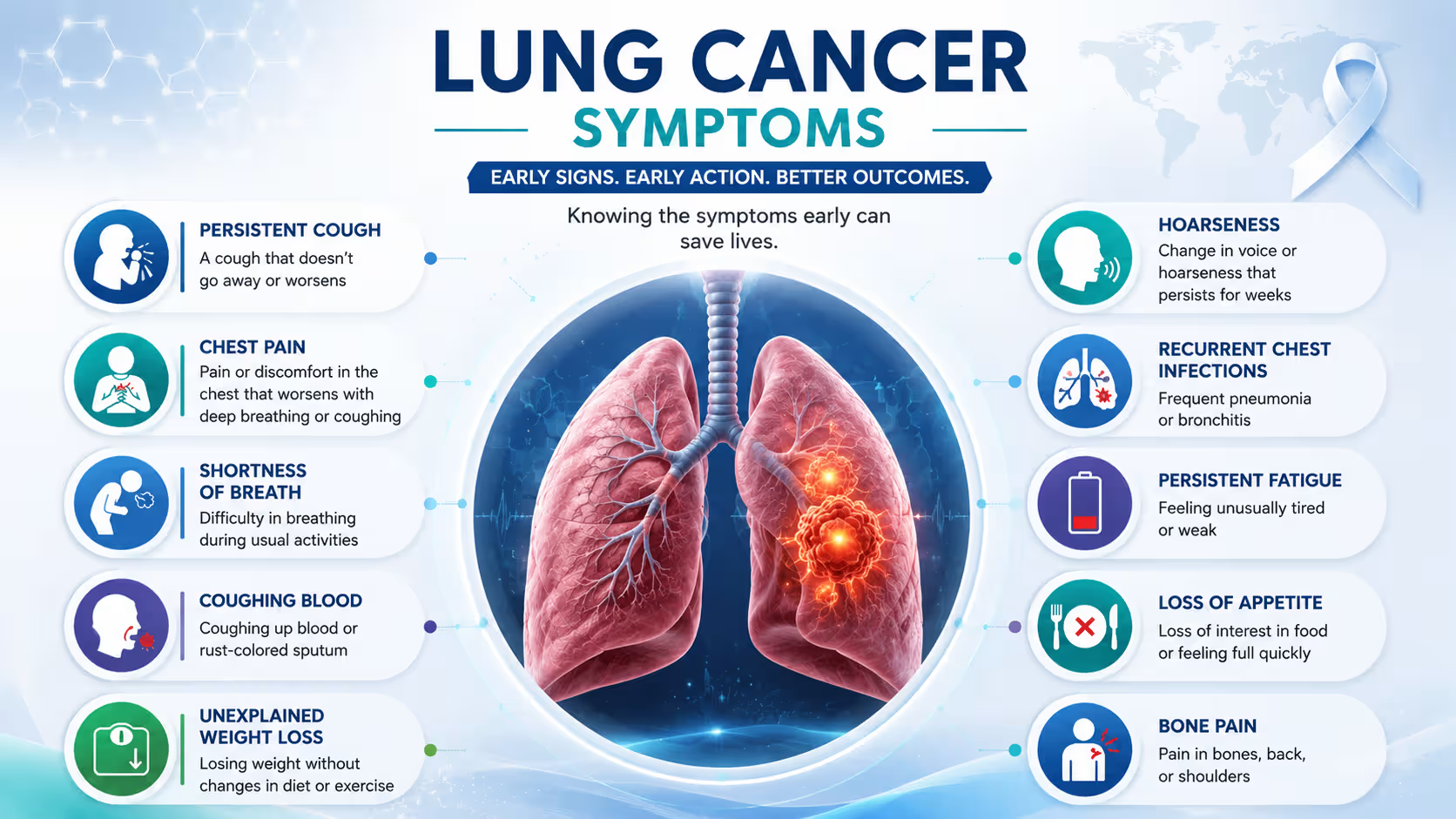
One of the reasons lung cancer is so dangerous is that early-stage lung cancer may not cause any noticeable symptoms. As the disease progresses, symptoms become more apparent.
Seek medical attention if you experience any of the following symptoms, especially if they persist for more than two to three weeks.
Persistent Cough
A cough that does not improve or gradually worsens is one of the earliest warning signs of lung cancer.
Coughing Up Blood
Even a small amount of blood in the sputum should never be ignored and requires immediate medical evaluation.
Chest Pain
Persistent chest discomfort that worsens with coughing, deep breathing, or laughing may indicate underlying lung disease.
Shortness of Breath
Difficulty breathing during routine activities may occur if the tumor blocks the airways or affects lung function.
Wheezing
New-onset wheezing without a history of asthma or allergies should be evaluated by a healthcare professional.
Hoarseness of Voice
A persistent change in voice or hoarseness can occur if the cancer affects nearby nerves controlling the vocal cords.
Recurrent Chest Infections
Repeated episodes of pneumonia or bronchitis that do not resolve completely may indicate an underlying lung abnormality.
Unexplained Weight Loss
Losing weight without changes in diet or exercise can be an important warning sign of several cancers, including lung cancer.
Persistent Fatigue
Feeling unusually tired or weak for weeks despite adequate rest may be associated with lung cancer.
Bone Pain or Headaches
In advanced stages, lung cancer may spread to the bones or brain, causing bone pain, headaches, dizziness, or neurological symptoms.
Remember: These symptoms do not always indicate lung cancer and can occur with other medical conditions. However, persistent or unexplained symptoms should never be ignored. Early evaluation by a qualified cancer specialist can lead to timely diagnosis and significantly improve treatment outcomes.
How is Lung Cancer Diagnosed?
Detecting lung cancer at an early stage greatly improves the chances of successful treatment. If your doctor suspects lung cancer based on your symptoms, medical history, or imaging tests, several diagnostic procedures may be recommended to confirm the diagnosis and determine the stage of the disease.
Physical Examination and Medical History
The evaluation begins with a detailed discussion about your symptoms, smoking history, occupational exposure, family history of cancer, and any previous lung diseases. Your doctor will also perform a physical examination to assess your overall health.
Chest X-ray
A chest X-ray is often the first imaging test used to detect abnormalities in the lungs. While it can identify suspicious masses, it cannot always detect small or early-stage tumors.
CT Scan (Computed Tomography)
A CT scan provides detailed cross-sectional images of the lungs and is much more accurate than a standard X-ray. It helps identify the size, location, and extent of the tumor and can detect smaller lesions that may otherwise go unnoticed.
PET-CT Scan
A PET-CT scan combines metabolic and anatomical imaging to determine whether cancer has spread to lymph nodes or other parts of the body. This scan plays an important role in staging lung cancer and planning treatment.
Bronchoscopy
During a bronchoscopy, a thin, flexible tube with a camera is passed through the nose or mouth into the airways. This allows the doctor to directly examine the lungs and collect tissue samples if necessary.
Lung Biopsy
A biopsy is the only definitive way to diagnose lung cancer. A small sample of tissue is collected through bronchoscopy, a CT-guided needle biopsy, or surgery and examined under a microscope by a pathologist.
Molecular and Genetic Testing
Modern lung cancer treatment often depends on identifying specific genetic mutations or biomarkers within the tumor. Molecular testing helps determine whether a patient may benefit from targeted therapy or immunotherapy, allowing for a more personalized treatment approach.
Staging Lung Cancer
Once lung cancer is confirmed, doctors determine its stage to understand how far the disease has spread.
The stages generally include:
- Stage I: Cancer is confined to the lung.
- Stage II: Cancer has spread to nearby lymph nodes.
- Stage III: Cancer has spread further within the chest.
- Stage IV: Cancer has spread to distant organs such as the liver, brain, or bones.
Accurate staging helps your cancer care team recommend the most effective treatment plan.
Lung Cancer Treatment
Lung cancer treatment depends on several factors, including the type of cancer, stage, tumor location, overall health, and the patient’s preferences. Today, treatment is highly personalized, and many patients benefit from a multidisciplinary approach involving surgical oncologists, medical oncologists, radiation oncologists, pulmonologists, radiologists, and pathologists.
Surgery
Surgery is often the preferred treatment for early-stage Non-Small Cell Lung Cancer (NSCLC) when the tumor can be completely removed.
Depending on the size and location of the tumor, surgical options include:
- Wedge resection
- Segmentectomy
- Lobectomy
- Pneumonectomy
Minimally invasive surgical techniques can reduce pain, shorten hospital stays, and promote faster recovery for eligible patients.
Chemotherapy
Chemotherapy uses anti-cancer medicines to destroy rapidly growing cancer cells. It may be recommended:
- Before surgery to shrink the tumor
- After surgery, to reduce the risk of recurrence
- Along with radiation therapy
- For advanced or metastatic lung cancer
Radiation Therapy
Radiation therapy uses high-energy beams to target and destroy cancer cells. It may be used:
- As the primary treatment
- Before or after surgery
- Along with chemotherapy
- To relieve symptoms in advanced cancer
Modern radiation techniques allow for more precise treatment while minimizing damage to surrounding healthy tissues.
Targeted Therapy
Some lung cancers have specific genetic mutations, such as EGFR, ALK, ROS1, or BRAF alterations. Targeted therapy blocks these cancer-driving pathways, often resulting in better outcomes with fewer side effects than conventional chemotherapy.
Immunotherapy
Immunotherapy helps the body’s immune system recognize and attack cancer cells. It has transformed the treatment of advanced lung cancer and is now commonly used alone or in combination with chemotherapy in selected patients.
Minimally Invasive and Robotic Lung Cancer Surgery
Advances in surgical technology have made minimally invasive procedures increasingly common for eligible patients.
Benefits may include:
- Smaller incisions
- Less postoperative pain
- Reduced blood loss
- Lower risk of complications
- Shorter hospital stay
- Faster recovery
- Earlier return to daily activities
Your surgical oncologist will determine whether minimally invasive or robotic surgery is suitable based on your individual condition.
Palliative Care
Palliative care focuses on improving comfort and quality of life by managing symptoms such as pain, breathlessness, fatigue, and emotional stress. It can be provided alongside active cancer treatment at any stage of the disease.
Why Early Detection Saves Lives
Early detection is one of the most effective ways to improve lung cancer survival. Unfortunately, lung cancer often causes few or no symptoms in its early stages, which is why many cases are diagnosed only after the disease has progressed.
When lung cancer is detected early:
- Treatment is generally less complex.
- Surgery is more likely to remove the cancer completely.
- Survival rates are significantly higher.
- Patients often experience better long-term quality of life.
- The risk of cancer spreading to other organs is reduced.
Recognizing symptoms early and seeking medical attention without delay can make a critical difference.
Who Should Consider Lung Cancer Screening?
Lung cancer screening is particularly beneficial for individuals at higher risk, including those who:
- Are between 50 and 80 years of age.
- Have a significant history of cigarette smoking.
- Currently smoke or have quit within the past 15 years.
- Have other risk factors, such as prolonged occupational exposure to harmful substances.
A healthcare professional can help determine whether screening is appropriate based on your individual risk profile.
Low-Dose CT (LDCT) Screening
Low-Dose CT (LDCT) is currently the recommended screening method for high-risk individuals. It can detect very small lung cancers before symptoms develop, allowing treatment to begin at an earlier and more curable stage.
Screening is not intended for everyone but can be lifesaving for people at increased risk.
Can Lung Cancer Be Prevented?
Although not every case of lung cancer can be prevented, adopting healthy habits and reducing exposure to known risk factors can significantly lower the risk.
Quit Smoking
Stopping smoking is the single most effective way to reduce the risk of lung cancer. The benefits begin soon after quitting and continue to increase over time.
Avoid Secondhand Smoke
Protect yourself and your family from exposure to tobacco smoke in homes, workplaces, and public spaces.
Reduce Exposure to Air Pollution
Whenever possible, limit exposure to heavily polluted environments and use protective measures if you work in areas with poor air quality.
Protect Yourself at Work
People working with asbestos, silica, diesel exhaust, or industrial chemicals should always follow workplace safety guidelines and use appropriate protective equipment.
Test for Radon
In some regions, testing homes for radon gas can help reduce long-term exposure to this known carcinogen.
Maintain a Healthy Lifestyle
A balanced diet rich in fruits and vegetables, regular physical activity, adequate sleep, and maintaining a healthy weight contribute to overall lung health and may reduce cancer risk.
Schedule Regular Health Check-ups
Routine medical check-ups and timely evaluation of persistent respiratory symptoms can help identify health problems before they become serious.
Living Beyond Lung Cancer
Completing lung cancer treatment is a major milestone, but recovery continues well beyond the last treatment session. Many survivors lead fulfilling lives with proper follow-up care, healthy lifestyle choices, and emotional support.
Attend Regular Follow-up Visits
Follow-up appointments allow your doctor to monitor recovery, detect recurrence early, and manage any long-term side effects of treatment.
Eat a Nutritious Diet
A healthy diet supports healing, strengthens the immune system, and helps restore energy after treatment. Your doctor or dietitian may recommend a nutrition plan based on your individual needs.
Stay Physically Active
Light to moderate exercise, as advised by your healthcare team, can improve lung function, reduce fatigue, and enhance overall well-being.
Care for Your Mental Health
A lung cancer diagnosis can affect emotional health as much as physical health. Speaking with family members, joining support groups, or seeking professional counseling can help patients and caregivers cope with stress and anxiety.
Avoid Smoking After Treatment
Quitting smoking remains essential even after successful treatment. It reduces the risk of recurrence, improves lung function, and supports long-term recovery.
Build a Strong Support System
Family, friends, caregivers, healthcare professionals, and survivor communities all play an important role in helping patients navigate life after cancer.
Recovering from lung cancer is a journey that requires ongoing medical care, healthy lifestyle choices, and emotional resilience. With advances in diagnosis and treatment, many people are living longer and enjoying a better quality of life after lung cancer.
How You Can Support World Lung Cancer Day
World Lung Cancer Day is more than just an annual awareness event—it’s an opportunity for individuals, families, healthcare professionals, and communities to come together and fight against one of the world’s most common cancers. Even small actions can help spread awareness, encourage early diagnosis, and support those affected by the disease.
Here are some meaningful ways you can contribute:
Spread Awareness
Use your social media platforms to share reliable information about lung cancer symptoms, risk factors, and the importance of early detection. Sharing educational content can encourage someone to seek medical attention sooner.
Encourage Smoking Cessation
Smoking remains the leading cause of lung cancer. If you or someone you know uses tobacco, World Lung Cancer Day is an excellent opportunity to begin the journey toward quitting. Seeking professional guidance and support can significantly improve the chances of success.
Promote Early Screening
If you have family members or friends who are at high risk for lung cancer—especially long-term smokers—encourage them to speak with their doctor about Low-Dose CT (LDCT) screening. Early detection offers the best chance for successful treatment.
Support Patients and Caregivers
A lung cancer diagnosis affects not only the patient but also their loved ones. Offering emotional support, helping with daily tasks, or simply listening can make a meaningful difference during treatment and recovery.
Participate in Awareness Campaigns
Many hospitals, cancer organizations, and community groups organize awareness walks, educational seminars, health camps, and fundraising events on World Lung Cancer Day. Participating in these initiatives helps spread awareness and supports ongoing cancer research.
Adopt a Healthy Lifestyle
Maintaining a healthy lifestyle by avoiding tobacco, eating a balanced diet, exercising regularly, and attending routine health check-ups can reduce the risk of many diseases, including certain cancers.
Every conversation about lung cancer has the potential to save a life. By raising awareness today, we can help create a healthier future for tomorrow.
Advanced Lung Cancer Treatment with Dr. Shashank Chaudhary
Receiving a lung cancer diagnosis can feel overwhelming, but advances in modern oncology have made treatment more effective and personalized than ever before. Choosing an experienced cancer specialist is essential for achieving the best possible outcomes.
Dr. Shashank Chaudhary, Surgical Oncologist at Max Super Speciality Hospital, Lucknow, provides comprehensive, evidence-based care for patients with lung cancer and other complex cancers. Every treatment plan is tailored to the patient’s diagnosis, stage of cancer, overall health, and individual needs.
Comprehensive Lung Cancer Care Includes:
- Expert evaluation and accurate diagnosis
- Multidisciplinary treatment planning
- Lung cancer surgery for eligible patients
- Minimally invasive and robotic-assisted cancer surgery (where appropriate)
- Coordination with medical and radiation oncology specialists
- Personalized treatment strategies
- Compassionate pre-operative and post-treatment care
- Long-term follow-up and survivorship support
With a patient-first approach, Dr. Chaudhary focuses on delivering advanced cancer care while helping patients and their families make informed treatment decisions with confidence.
If you or a loved one is experiencing persistent lung-related symptoms or has been diagnosed with lung cancer, consulting an experienced surgical oncologist at the earliest stage can make a significant difference in treatment outcomes.
Conclusion
World Lung Cancer Day 2026 serves as a powerful reminder that awareness, prevention, and early detection remain our strongest tools in the fight against lung cancer. Although it continues to be one of the leading causes of cancer-related deaths worldwide, advances in screening, diagnosis, surgery, targeted therapy, immunotherapy, and multidisciplinary care are improving survival rates and quality of life for many patients.
Persistent symptoms such as a chronic cough, chest pain, shortness of breath, coughing up blood, unexplained weight loss, or recurring chest infections should never be ignored. Seeking timely medical evaluation can lead to an earlier diagnosis, when treatment is often more effective and less extensive.
Early detection saves lives. If you notice persistent respiratory symptoms or have concerns about your lung health, consult a qualified cancer specialist without delay.
Frequently Asked Questions
1. What are the early warning signs of lung cancer?
Early symptoms of lung cancer may include a persistent cough, chest pain, shortness of breath, coughing up blood, unexplained weight loss, fatigue, hoarseness of voice, and repeated chest infections. Some people may not experience noticeable symptoms in the early stages, making screening especially important for those at high risk.
2. Can non-smokers develop lung cancer?
Yes. Although smoking is the leading cause of lung cancer, non-smokers can also develop the disease due to factors such as secondhand smoke, air pollution, radon exposure, occupational hazards, genetic mutations, or a family history of lung cancer.
3. Is lung cancer curable if detected early?
When diagnosed in its early stages, lung cancer is often highly treatable. Depending on the type and stage of cancer, treatment may involve surgery, radiation therapy, chemotherapy, targeted therapy, immunotherapy, or a combination of these approaches. Early detection significantly improves the chances of successful treatment and long-term survival.
4. Who should undergo lung cancer screening?
People aged 50–80 years with a significant smoking history, current smokers, or those who quit smoking within the past 15 years may benefit from annual Low-Dose CT (LDCT) screening. Your doctor can determine whether screening is appropriate based on your personal risk factors.
5. How can I reduce my risk of lung cancer?
You can lower your risk by avoiding tobacco in all forms, staying away from secondhand smoke, minimizing exposure to air pollution and harmful workplace chemicals, maintaining a healthy lifestyle, exercising regularly, eating a balanced diet, and seeking medical advice if you develop persistent respiratory symptoms or belong to a high-risk group.