Neck cancer surgery is an important part of treatment for many patients with head and neck cancers, particularly when cancer has spread to the lymph nodes in the neck. One surgical approach that aims to achieve effective cancer control while preserving important neck structures is functional neck dissection.
Unlike a traditional radical neck dissection, which may require removal of certain muscles, nerves, and veins along with lymph nodes, functional or nerve-sparing approaches focus on removing the lymphatic tissue that needs to be treated while preserving uninvolved structures whenever it is oncologically safe to do so.
For patients considering treatment, understanding the procedure, its benefits, possible complications, and recovery can make the treatment journey easier to navigate. If you are looking for a best oncologist in Lucknow , Dr Shashank Chaudhary can help patients understand their surgical options based on the type, stage, and spread of the cancer.
Understanding Neck Cancer and the Role of Neck Dissection
Head and neck cancers can develop in areas such as the mouth, throat, voice box, salivary glands, nasal cavity, and other structures of the head and neck. Some of these cancers can spread through the lymphatic system to lymph nodes in the neck.
When lymph nodes are involved—or when there is a significant risk that microscopic cancer cells may be present in them—a neck dissection may be recommended.
The purpose of neck dissection is to:
- Remove lymph nodes that contain cancer.
- Remove lymph-node groups that have a significant risk of microscopic disease.
- Help determine the extent or stage of the cancer through pathological examination.
- Reduce the risk of regional cancer recurrence.
- Provide better local and regional cancer control as part of an overall treatment plan.
The amount of tissue removed depends on the location and extent of the cancer and whether nearby structures are involved.
Importantly, the goal is not simply to remove as much tissue as possible. Modern head and neck cancer surgery aims to achieve adequate cancer clearance while preserving healthy structures whenever this can be done without compromising oncological safety.
Types of Neck Dissection Surgery
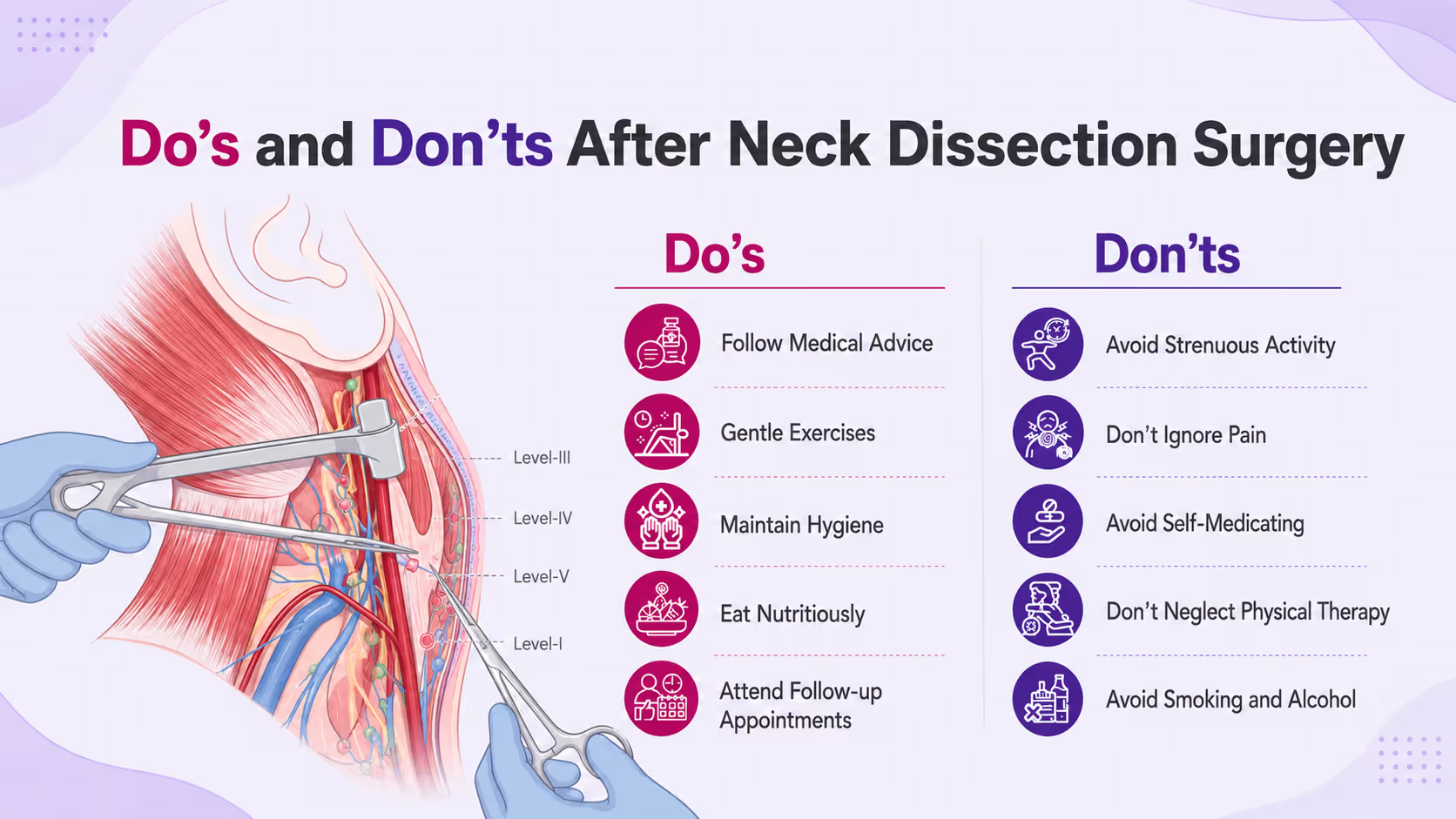
Neck dissections can broadly be classified according to how much lymphatic and surrounding tissue needs to be removed.
1. Selective Neck Dissection
Selective neck dissection removes specific groups or levels of lymph nodes that are considered at risk for cancer involvement.
It is generally considered when the cancer has a predictable pattern of lymphatic spread and there is no need to remove all cervical lymph-node groups.
2. Modified Radical Neck Dissection
A modified radical neck dissection removes the lymph-node groups traditionally addressed in a radical dissection while preserving one or more important non-lymphatic structures, such as the:
- Spinal accessory nerve
- Internal jugular vein
- Sternocleidomastoid muscle
The exact structures preserved depend on the disease and surgical requirements.
3. Radical Neck Dissection
A radical neck dissection is a more extensive operation in which lymph nodes and certain surrounding structures—including the spinal accessory nerve, internal jugular vein, and sternocleidomastoid muscle—may need to be removed.
This approach is generally reserved for situations where the cancer involves or threatens these structures and preserving them would compromise complete cancer removal.
4. Functional or Nerve-Sparing Neck Dissection
Functional neck dissection is designed around the principle of removing the necessary lymphatic tissue while preserving important structures that are not involved by cancer.
One of the major priorities can be preservation of the spinal accessory nerve, which plays an important role in shoulder movement through its contribution to the trapezius muscle. Preservation of this nerve can help reduce postoperative shoulder dysfunction when the cancer does not require its removal.
However, preservation is never performed at the expense of cancer clearance. If a tumor directly involves a nerve, muscle, vein, or another critical structure, the surgeon may need to remove the involved structure to achieve adequate oncological margins.
The Functional Neck Dissection Procedure: What to Expect
Before surgery, the surgical team evaluates the primary tumor, lymph nodes, imaging findings, biopsy results, and overall health.
Depending on the cancer, investigations may include imaging such as CT, MRI, PET-CT, ultrasound, or other appropriate tests.
During surgery, the surgeon makes an incision in the neck to access the relevant lymph-node compartments. The lymphatic tissue is carefully separated from surrounding structures.
The surgeon identifies important nerves, blood vessels, and muscles and preserves them when they are free from cancer and preservation is considered safe.
Particular attention may be given to the spinal accessory nerve because injury to this nerve can contribute to shoulder weakness and difficulty raising the arm.
The removed lymph nodes and tissues are then sent for pathological examination. The pathology report can provide important information about:
- Number of lymph nodes removed
- Number of nodes containing cancer
- Size of metastatic deposits
- Whether cancer has extended beyond a lymph node
- Other features that may influence further treatment
Based on the final pathology, some patients may require additional treatment such as radiation therapy, chemotherapy, targeted therapy, immunotherapy, or a combination of treatments.
Benefits of Functional Neck Dissection
The biggest advantage of a functional neck dissection is its focus on balancing effective cancer removal with preservation of function.
Potential benefits include:
Better preservation of shoulder function
The spinal accessory nerve is important for trapezius function and shoulder elevation. Preserving an uninvolved nerve can reduce the risk of significant shoulder dysfunction compared with procedures in which the nerve must be sacrificed.
Preservation of important neck structures
Depending on the individual case, functional or modified approaches may preserve the sternocleidomastoid muscle and internal jugular vein along with the accessory nerve.
Reduced functional impact
Removing fewer uninvolved structures may reduce some of the functional problems associated with more extensive neck surgery.
Potentially better cosmetic outcome
Preserving muscles and other structures may help maintain the natural contour of the neck, although the final appearance depends on the extent of cancer and surgery.
Effective cancer treatment
The most important benefit remains adequate removal of cancerous or high-risk lymphatic tissue. Functional preservation is considered only when it does not compromise cancer clearance.
Modern evidence and surgical principles support preserving uninvolved structures when appropriate, while sacrificing them when necessary for complete oncological treatment.
Navigating Neck Dissection Complications and Recovery
Like any major cancer operation, neck dissection can have risks. The likelihood and severity depend on the extent of surgery, the patient’s health, previous treatments, tumor location, and whether nearby structures are involved.
Immediately after surgery, patients may experience:
- Neck pain or tightness
- Swelling
- Temporary numbness around the incision or ear
- Difficulty moving the neck comfortably
- Fatigue
- Drainage from the surgical area
Recovery is individualized. Your surgeon will provide instructions regarding wound care, activity, medications, nutrition, and follow-up.
Physical therapy can be particularly helpful when neck or shoulder movement is affected. Rehabilitation exercises may help restore strength, mobility, and function.
Potential Neck Dissection Complications
Possible complications include:
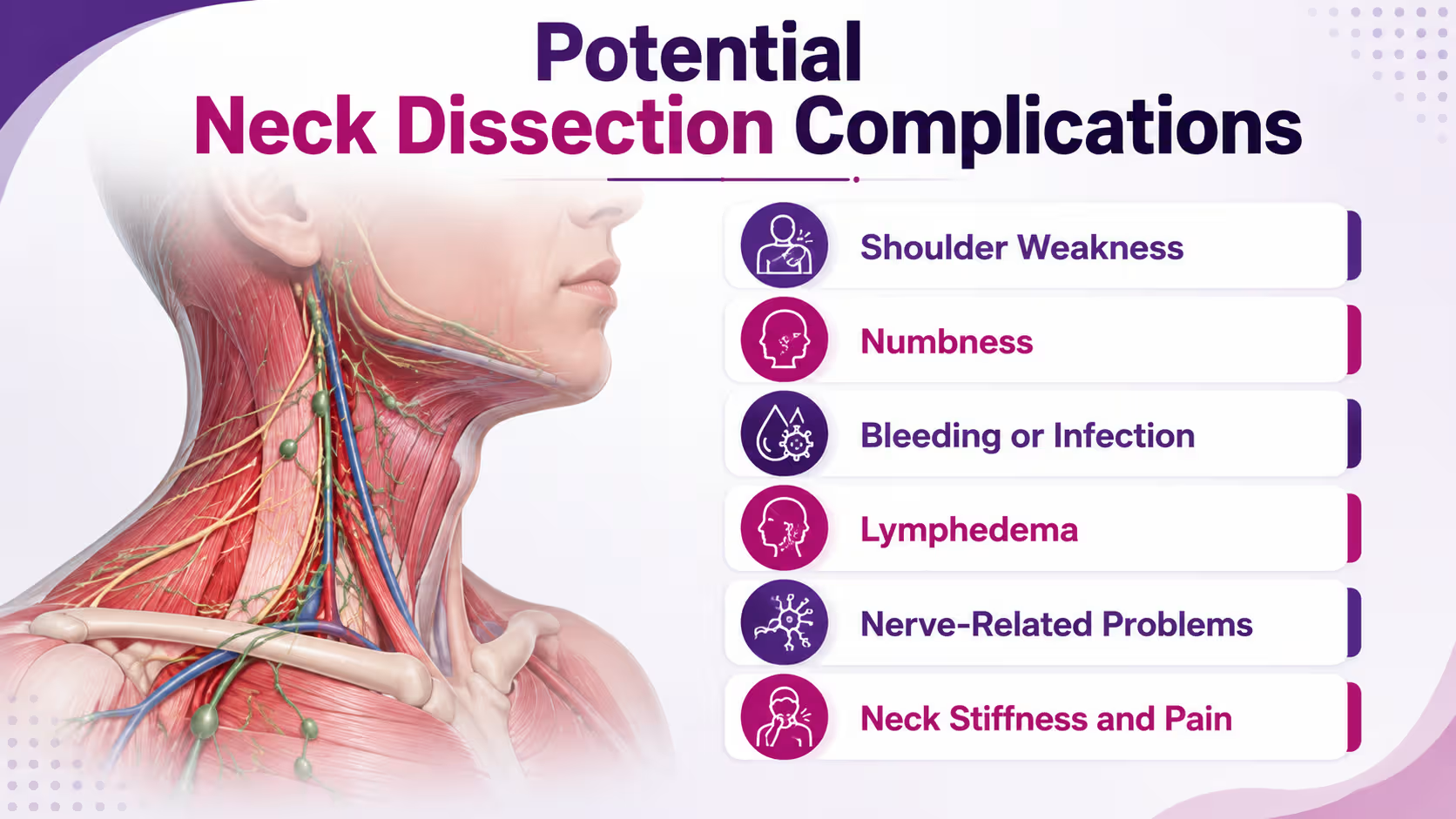
Shoulder weakness
Injury or removal of the spinal accessory nerve can cause weakness in shoulder elevation and movement. This is one reason nerve preservation is important when it is oncologically safe.
Numbness
Numbness around the neck or ear can occur because small sensory nerves may be affected during surgery. Some sensory changes improve gradually, while others may persist.
Bleeding or infection
As with other surgical procedures, bleeding, infection, fluid collection, and wound-healing problems can occur.
Lymphedema
Removal of lymph nodes can interfere with normal lymphatic drainage and may cause swelling in the neck or face. Lymphedema can sometimes appear months or even years after treatment.
Nerve-related problems
Depending on the location and extent of surgery, other nerves can potentially be affected. The risk is influenced by the tumor’s location and whether the tumor involves nearby structures.
Neck stiffness and pain
Some patients experience stiffness or discomfort during recovery. Appropriate pain management and guided rehabilitation can help.
It is important to remember that not every patient experiences these complications, and the risk profile is different for every operation.
Life Expectancy After Neck Dissection
A common question patients ask is: “What is life expectancy after neck dissection?”
There is no single life-expectancy figure that applies to everyone.
Neck dissection itself does not determine survival. Prognosis depends on several factors, including:
- Type of cancer
- Stage of cancer
- Primary tumor location
- Number and size of involved lymph nodes
- Whether cancer has spread beyond the lymph-node capsule
- Surgical margins
- Response to additional treatment
- Overall health
- Presence or absence of distant metastasis
In many patients, neck dissection is performed as part of a comprehensive treatment strategy intended to control cancer in the neck. The final pathology findings are particularly important because they help doctors determine whether additional treatment is required.
Therefore, patients should avoid comparing their prognosis with someone else’s based only on the fact that both underwent neck dissection.
A personalized assessment from an experienced head and neck cancer specialist in Lucknow can provide a more meaningful understanding of the expected outcome.
Why Choosing an Experienced Surgical Oncologist Matters
Head and neck cancer surgery often requires a careful balance between cancer clearance and preservation of important structures.
An experienced surgical oncologist evaluates not only where the cancer is, but also how it has spread and which structures can safely be preserved.
Dr Shashank Chaudhary approaches head and neck cancer surgery with attention to both oncological principles and functional outcomes. Patients can discuss whether selective, functional, modified radical, or another form of neck dissection is appropriate for their specific condition.
The right procedure is determined by the individual cancer—not simply by choosing the least extensive operation.
Conclusion
Functional neck dissection represents an important development in modern neck cancer surgery, with an emphasis on removing cancerous or high-risk lymphatic tissue while preserving uninvolved nerves, muscles, and blood vessels whenever safely possible.
Preservation of the spinal accessory nerve, for example, may help reduce shoulder dysfunction, while preserving other structures can help maintain neck function and appearance. However, cancer clearance always remains the primary objective.
If you or a family member has been diagnosed with head and neck cancer or has been advised to undergo neck dissection, discussing the exact type of surgery, expected benefits, possible complications, and need for additional treatment with a qualified specialist is essential.
For patients searching for the best surgical oncologist in Lucknow or a head and neck cancer, consultation with Dr Shashank Chaudhary can help you understand the available treatment options based on your individual diagnosis and cancer stage.
Frequently Asked Questions
1. What is functional neck dissection?
Functional neck dissection is a neck cancer surgery designed to remove relevant lymph nodes while preserving important uninvolved structures—such as the spinal accessory nerve, sternocleidomastoid muscle, or internal jugular vein—when doing so is oncologically safe.
2. Is functional neck dissection safer than radical neck dissection?
Functional or modified approaches may reduce certain functional side effects when important structures can be preserved. However, the safest operation is the one that provides adequate cancer clearance. If the tumor involves an important structure, it may need to be removed.
3. How long does recovery take after neck dissection?
Recovery varies according to the extent of surgery and whether other treatments are required. Pain, stiffness, numbness, and fatigue can occur during the early recovery period. Physical therapy may be recommended to improve neck and shoulder movement.
4. Can neck dissection cure neck cancer?
Neck dissection can be an important part of treatment for cancers involving or at risk of involving cervical lymph nodes. Whether it is potentially curative depends on the cancer type, stage, primary tumor, lymph-node involvement, surgical margins, and whether cancer has spread elsewhere.
5. Will my shoulder function be affected after neck dissection?
It depends on the type of neck dissection and whether the spinal accessory nerve is preserved. Nerve-sparing surgery can reduce the risk of significant shoulder dysfunction when preservation is safe. Rehabilitation and physiotherapy can also help improve movement and strength.
Medical Disclaimer: This article is intended for general educational purposes and should not replace an examination, diagnosis, or personalized treatment plan from a qualified cancer specialist. The appropriate type of neck dissection depends on the individual patient’s cancer and imaging/pathology findings.