5 Ways to Boost Immunity During Immunotherapy: A Complete Guide
By Dr. Shashank Chaudhary | For Cancer Patients | Reviewed by an Oncology Team
Going through cancer treatment is one of the toughest challenges a person can face. Among the various treatments available today, immunotherapy has emerged as a revolutionary way to fight cancer. However, for this treatment to work at its best, your body needs a strong foundation. Learning how to boost immunity during immunotherapy is essential for every patient looking to improve their recovery odds and quality of life.
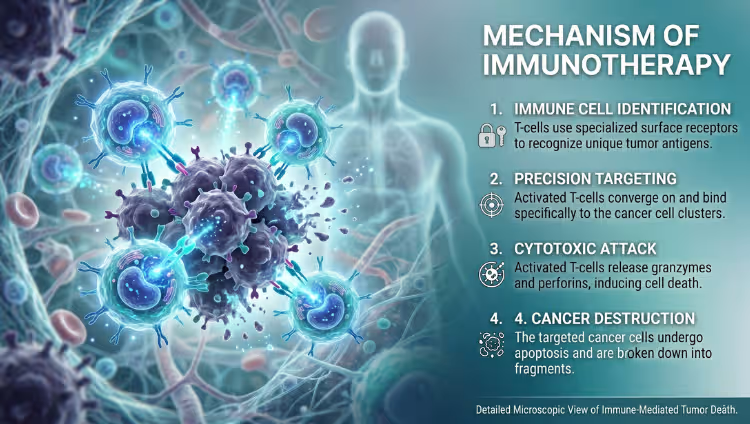
Immunotherapy does not attack cancer cells directly like chemotherapy does. Instead, it teaches your own immune system to recognize and destroy cancer cells. Because your immune system is the “main character” in this process, keeping it healthy is vital.
If you are looking for the best oncologist in Lucknow, experts like Dr. Shashank Chaudhary often emphasize that medical treatment and lifestyle changes must go hand-in-hand. In this guide, we will explore five practical and effective ways to provide immune support during immunotherapy and help your body stay strong.
What is Immunotherapy?
Before we dive into how to boost immunity during immunotherapy, let’s understand what the treatment actually is.
Our immune system is a complex network of cells, tissues, and organs. Its job is to protect us from infections and diseases. Sometimes, cancer cells are “sneaky.” They find ways to hide from the immune system or turn off the immune response.
Immunotherapy is a type of biological therapy. It uses substances made from living organisms to treat cancer. It works by:
- Helping the immune system recognize cancer cells.
- Strengthening the immune cells to attack the tumor.
- Providing the body with man-made immune system proteins.
Because the treatment relies on your natural defenses, your overall health plays a huge role in the success of the therapy.
Why Immunity is Important During Immunotherapy
Think of immunotherapy as a high-performance fuel for a car. The fuel is powerful, but if the engine (your immune system) is weak or broken, the car won’t move fast.
When you boost immunity during immunotherapy, you are essentially “tuning up the engine.” A strong immune system helps:
- Reduce the severity of side effects.
- Improve the effectiveness of the drugs.
- Speed up the recovery process between sessions.
- Protect you from secondary infections like the common cold or flu, which can delay your treatment.
How to Boost Immunity During Immunotherapy

Many patients ask their doctors, “How to boost immunity during immunotherapy?” While there is no “magic pill,” a combination of nutrition, mental health care, and physical habits can make a massive difference.
The goal is not to “overcharge” the immune system (which can sometimes cause side effects), but to “support” it so it can do its job efficiently. Working with the best surgical oncologist in Lucknow ensures that you have a professional roadmap, but the daily effort starts at home
5 Ways to Boost Immunity During Immunotherapy
1. Prioritize Nutrient-Dense Nutrition
What you eat is the building block of your immune cells. During immunotherapy, your body needs more energy to repair tissues and fuel the immune response.
Focus on a variety of colors on your plate. Different colors in fruits and vegetables represent different phytonutrients. For example, orange vegetables like carrots have beta-carotene, while dark leafy greens have folate and iron.
2. Focus on Gut Health
Did you know that about 70% of your immune system lives in your gut? The “good bacteria” in your stomach help train your immune cells. During immunotherapy, maintaining a healthy gut microbiome is crucial.
Avoid processed sugars and focus on fiber-rich foods. Probiotics (like yogurt or fermented foods) can also be helpful, but always check with your doctor first, as some immunotherapy patients need to avoid live cultures.
3. Manage Stress Levels
Cancer treatment is naturally stressful. However, high levels of the stress hormone “cortisol” can suppress your immune system. When you are stressed, your body goes into “fight or flight” mode, which takes energy away from the immune system.
Simple practices like deep breathing, meditation, or even listening to calming music can lower cortisol levels. Taking care of your mind is just as important as taking care of your body.
4. Get Quality Sleep
Your body does most of its “repair work” while you sleep. During deep sleep, the body releases cytokines, which are proteins that help the immune system fight infections and inflammation.
Aim for 7–9 hours of restful sleep. If pain or anxiety makes it hard to sleep, speak with Dr. Shashank Chaudhary to find a solution that works for you.
5. Stay Hydrated
Water is essential for every cell in your body. It helps carry oxygen to your cells and flushes out toxins produced during treatment.
Dehydration can make you feel more fatigued and can weaken your mucosal barriers (like the lining of your nose and mouth), making it easier for germs to enter your body. Aim for at least 8–10 glasses of water a day, unless your doctor advises otherwise.
Table: Habits vs. Impact on Immunity
| Habit | Releases cortisol, which shuts down immune responses. |
| Eating Leafy Greens | Provides antioxidants to protect healthy cells. |
| Daily 15-min Walk | Improves blood circulation and immune cell movement. |
| High Sugar Intake | Increases inflammation and weakens white blood cells. |
| 8 Hours of Sleep | Allows the body to produce “killer” T-cells. |
| Chronic Stress | Releases cortisol which shuts down immune responses. |
| Drinking Enough Water | Helps transport nutrients and remove metabolic waste. |
Cancer Patient Diet Plan

Nutrition is perhaps the most controllable factor when trying to boost immunity during immunotherapy. A well-structured cancer patient diet plan should be personalized, but here are the general pillars:
High-Protein Foods
Proteins are the “building blocks” of life. Immunotherapy can put a strain on your muscles and tissues.
- Include: Lean chicken, fish, eggs, lentils, beans, and tofu.
- Why: Protein helps repair tissues damaged by treatment and keeps the immune system strong.
Antioxidant-Rich Fruits and Veggies
Antioxidants protect your healthy cells from the “collateral damage” that can sometimes happen during cancer treatment.
- Include: Berries, citrus fruits, broccoli, spinach, and bell peppers.
- Why: Vitamin C and E are essential for the production of white blood cells.
Whole Grains for Energy
Cancer treatment often causes fatigue. Whole grains provide a “slow-release” of energy.
- Include: Oats, brown rice, quinoa, and whole-wheat bread.
- Why: They provide the B vitamins necessary for energy metabolism.
Healthy Fats
- Include: Avocados, olive oil, walnuts, and flaxseeds.
- Why: These help reduce inflammation in the body, allowing the immune system to focus on the cancer cells.
Common Mistakes to Avoid
While trying to boost immunity during immunotherapy, many patients make mistakes that can actually hinder their progress. Avoid these common pitfalls:
- Taking Unverified Supplements: Some herbal supplements can interfere with immunotherapy drugs. Always consult the best oncologist in Lucknow before adding any pills to your routine.
- Eating Raw or Undercooked Foods: When your immunity is being modulated, you are more prone to foodborne illnesses. Avoid raw sushi, unpasteurized milk, or runny eggs.
- Ignoring Fatigue: Pushing yourself too hard can exhaust your immune system. Listen to your body and rest when needed.
- Complete Isolation: While you should avoid sick people, complete isolation can lead to depression, which negatively affects immunity. Find a safe balance.
When to Consult a Doctor
It is vital to stay in close contact with your medical team. While lifestyle changes are helpful, they are not a replacement for medical monitoring.
You should consult your doctor immediately if you experience:
- A high fever (above 100.4°F).
- Severe diarrhea or stomach pain.
- Extreme shortness of breath.
- Sudden skin rashes.
If you are looking for expert guidance, consulting with the best surgical oncologist in Lucknow can provide you with a comprehensive treatment plan that combines surgery, immunotherapy, and supportive care. Choosing the best cancer specialists ensures that you are receiving the latest evidence-based treatments tailored to your specific type of cancer.
Conclusion
Understanding how to boost immunity during immunotherapy is a powerful way to take control of your health journey. By focusing on a solid cancer patient diet plan, managing your stress, and getting plenty of rest, you give the treatment the best possible environment to work.
Remember, immunotherapy is a partnership between the medicine and your body. Nourish that partnership every day through small, healthy choices. Whether it is adding an extra serving of vegetables or taking a short walk, every bit of immune support during immunotherapy counts.
If you or a loved one is navigating this journey, do not do it alone. Seek expert advice from a trusted professional.
Are you looking for the best care for your cancer treatment?
Consult Dr. Shashank Chaudhary, recognized as the best surgical oncologist in Lucknow. Get a personalized plan to boost immunity during immunotherapy and fight cancer with confidence.
Contact us today to book an appointment!
FAQs (Frequently Asked Questions)
1. Can I take Vitamin C supplements to boost immunity during immunotherapy?
While Vitamin C is great for the immune system, high-dose supplements can sometimes interfere with treatment. It is always better to get your vitamins from whole foods like oranges and bell peppers. Always ask your oncologist before taking any supplements.
2. Is exercise safe during immunotherapy?
Yes, light exercise like walking or yoga is generally safe and highly recommended. It improves blood flow and helps your immune cells circulate. However, avoid heavy lifting or intense workouts without your doctor’s permission.
3. What foods should I avoid during treatment?
Avoid raw or undercooked meats, unwashed fruits, and unpasteurized dairy. These can carry bacteria that your immune system might struggle to fight off during treatment.
4. How long does it take for the immune system to strengthen?
Immunity doesn’t change overnight. However, within 2 to 4 weeks of consistent healthy eating and good sleep, most patients begin to feel more energetic and see improvements in their blood counts.
5. Does stress really affect my immunotherapy results?
Yes. Chronic stress releases hormones that can suppress the very immune cells (like T-cells) that immunotherapy is trying to activate. Stress management is a key part of the treatment process.
6. Why is gut health mentioned so often in immunotherapy?
Research shows that patients with a diverse and healthy gut microbiome (the “good bugs” in your stomach) often respond better to immunotherapy. A diet high in fiber helps support these good bacteria.
7. Can I drink alcohol while on immunotherapy?
It is best to avoid or strictly limit alcohol. Alcohol can dehydrate you and put extra strain on your liver, which is already busy processing your treatment medications.