Introduction
If you or a loved one are navigating a cancer diagnosis, you likely expected the hair loss, the nausea, or the surgical recovery. But there is one symptom that often takes patients by surprise because of its sheer, overwhelming weight: cancer-related fatigue (CRF).
It isn’t the “I had a long day at the office” kind of tired. It isn’t even the “I stayed up too late” kind of exhaustion. Patients often describe it as a bone-deep heaviness, a mental fog that makes simple conversations feel like climbing a mountain, and a weariness that sleep simply cannot fix.
As an oncologist, I often tell my patients that fatigue is the most common side effect of cancer treatment, yet it is frequently the most misunderstood. Because it is an “invisible” symptom, caregivers and even patients themselves may feel frustrated when “just getting more sleep” doesn’t help.
In this guide, we will go beyond the surface of being “tired.” We will explore why this happens, how it differs from normal exhaustion, and—most importantly—how you can reclaim your energy. Whether you are currently undergoing treatment with the Best Cancer specialist in Lucknow or are a survivor looking to regain your spark, this guide is for you.
What Is Cancer-Related Fatigue?
Cancer-related fatigue is a subjective, persistent sense of physical, emotional, and cognitive tiredness related to cancer or cancer treatment that is not proportional to recent activity.
To truly understand CRF, we must look at its three main pillars:
- Physical Exhaustion: Your limbs feel heavy. Even walking to the kitchen feels like a marathon. Your body feels like it has “run out of gas,” and no amount of sitting down seems to refill the tank.
- Mental Fatigue (Brain Fog): This is often called “Chemo Brain.” It involves difficulty concentrating, trouble finding words, and a general feeling of being mentally “slowed down.”
- Emotional Burnout: Living with cancer is emotionally taxing. This fatigue manifests as a lack of motivation, feeling overwhelmed by small tasks, or a sense of sadness that stems directly from being physically depleted.
Unlike the fatigue a healthy person feels after exercise, cancer fatigue is unpredictable. It can hit you in the middle of a grocery aisle or prevent you from getting out of bed even after ten hours of sleep.
Cancer Fatigue vs. Normal Fatigue — What’s the Difference?
Understanding the distinction is the first step toward effective management. If you try to treat cancer fatigue the same way you treat normal tiredness (with just sleep), you may end up feeling more frustrated.
| Feature | Normal Fatigue | Cancer-Related Fatigue (CRF) |
| Onset | Usually follows a specific activity. | Can occur without any exertion. |
| Duration | Short-lived; lasts a few hours or a day. | Chronic; lasts weeks, months, or longer. |
| Effect of Rest | Feeling refreshed after a good night’s sleep. | Rest or sleep often provides little to no relief. |
| Daily Impact | Usually manageable with some effort. | Can severely limit work, social life, and self-care. |
| Recovery | Happens quickly once the stressor is gone. | May persist long after treatment (chemo/radiation) ends. |
Common Causes of Cancer-Related Fatigue
Why does cancer make you so tired? It isn’t just one thing; it is usually a “perfect storm” of biological and psychological factors.
📊 Causes of Fatigue Contribution
| Cause | How It Contributes to Fatigue |
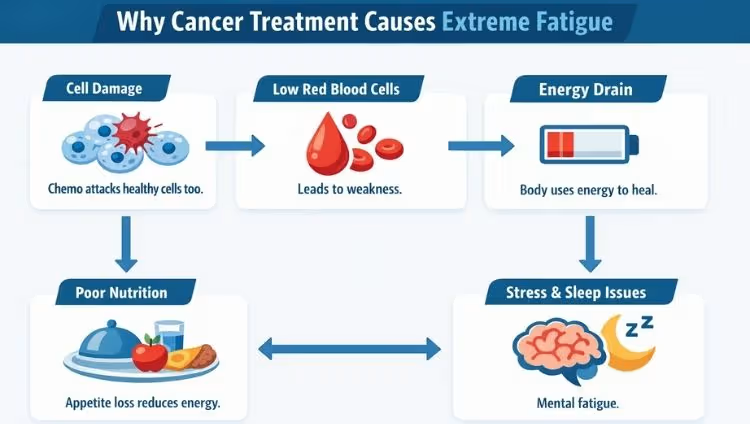
| Chemotherapy | Damages healthy fast-growing cells, forcing the body to use energy for repair. |
| Radiation Therapy | Causes systemic inflammation and cellular damage that drains energy reserves. |
| Poor Nutrition | Cancer and its treatments can reduce appetite or absorption, lowering fuel for the body. |
| Pain & Stress | Chronic pain keeps the body in a “fight or flight” state, which is physically exhausting. |
| Sleep Disturbance | Anxiety, medications, or night sweats prevent restorative deep sleep. |
| Anemia | A drop in red blood cells means less oxygen is delivered to your muscles and brain. |
| Emotional Anxiety | The “mental load” of a diagnosis drains the brain’s energetic resources. |
A Note from the Expert: Many patients I see as a Best surgical Oncologist in Lucknow are surprised to find that the body uses a massive amount of energy just to heal surgical incisions or to process the systemic “cleanup” after chemotherapy. You aren’t “lazy”; your body is working a full-time job on the inside.
Why Chemotherapy and Radiation Cause Extreme Fatigue
If you are undergoing active treatment, you are likely experiencing the peak of this exhaustion.
The Chemotherapy Effect
Chemotherapy works by attacking rapidly dividing cells. While it targets cancer, it also hits healthy cells in the bone marrow, mouth, and digestive tract. As your body rushes to repair this damage, it diverts energy away from your daily activities. Furthermore, the “cell die-off” creates toxic byproducts that the liver and kidneys must filter out, which is a metabolically “expensive” process.
The Radiation Effect
Radiation fatigue is often cumulative. You might feel fine during the first week, but by week three or four, the exhaustion sets in. This is because radiation causes local damage that triggers a systemic immune response. Your body treats the radiation site like a major wound, sending all its resources to that area for healing.
Step-by-Step Ways to Manage Cancer Fatigue
Managing fatigue requires a “multi-modal” approach. You cannot simply “will” it away; you must manage it like a medical symptom.
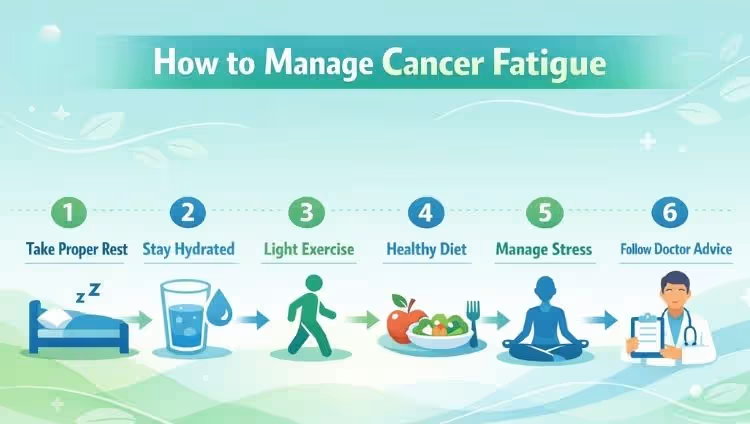
1. Prioritize “Energy Banking”
Think of your energy like a bank account. You have a limited balance each day.
- The 4 Ps: Plan, Prioritize, Pace, and Position.
- Plan: Schedule your most important tasks (like doctor visits) for the time of day when you usually feel best.
- Pace: Take “micro-breaks” before you feel tired, not after.
2. The Paradox of Light Activity
It sounds counterintuitive: How can I exercise when I can’t even stand up? However, clinical studies show that light physical activity—like a 10-minute walk—is more effective at reducing cancer fatigue than total bed rest. Movement improves circulation and helps flush out treatment toxins.
3. Nutritional Support
Focus on “energy-dense” foods.
- Protein: Essential for repairing tissues damaged by chemo.
- Hydration: Dehydration is a leading cause of sudden fatigue. Aim for 8–10 glasses of water.
- Small, Frequent Meals: Large meals can make you sleepy as the body diverts blood to digestion. Eat 5-6 small snacks instead.
4. Improve Sleep Hygiene
Even if sleep doesn’t “cure” CRF, poor sleep makes it much worse.
- Keep the bedroom cool and dark.
- Avoid screens 60 minutes before bed.
- If you can’t sleep, don’t toss and turn; get up and do a quiet activity (like reading) until you feel drowsy.
5. Manage the Emotional Drain
Anxiety and depression are “energy vampires.” Speaking with a counselor or joining a support group can lighten the mental load, which in turn frees up physical energy.
How Long Does Cancer Fatigue Last?
This is the question every patient asks. The timeline is different for everyone:
- During Treatment: Fatigue usually peaks a few days after a chemo session or toward the end of a radiation cycle.
- Post-Treatment: For many, energy begins to return 6 to 12 weeks after the final treatment.
- Survivorship Fatigue: About 20% to 30% of survivors experience “lingering fatigue” that can last for months or even years. This is often due to the long-term changes in the immune system or hormonal shifts.
When Fatigue Becomes a Warning Sign
While fatigue is expected, some forms of exhaustion require immediate medical intervention. As the Best Oncologist in Lucknow, I advise patients to call their medical team if they experience:
- Inability to get out of bed for more than 24 hours.
- Severe shortness of breath with minimal movement.
- Confusion, dizziness, or loss of balance.
- Sudden, worsening fatigue that feels significantly different from your “usual” treatment tiredness.
- Fatigue accompanied by a high fever.
Often, these symptoms point to anemia (low red blood cells) or electrolyte imbalances, both of which can be treated quickly with a blood transfusion or IV fluids.
Fatigue in Cancer Survivors — Why Recovery Takes Time
The “finish line” of cancer treatment isn’t the end of the journey. Many survivors feel a “slump” once treatment ends. This happens because the adrenaline of the “battle” wears off, and the body finally begins the deep work of cellular repair.
Rebuilding stamina is a marathon, not a sprint.
- Month 1-3: Focus on nutrition and mental rest.
- Month 3-6: Gradually increase walking distance.
- Month 6+: Focus on strength training to rebuild lost muscle mass.
Real-World Example: A Journey Through Fatigue
Meet “Aditi,” a 45-year-old breast cancer patient. During her third cycle of chemotherapy, she felt she could no longer function. She felt guilty for not being able to cook for her children. After consulting her oncology team, she started a “Fatigue Journal.” She realized her energy peaked at 10 AM. She moved her most important tasks to that window and allowed herself to nap at 2 PM without guilt. By adding a 10-minute evening stroll and increasing her protein intake, her “unbearable” fatigue became “manageable.” Aditi learned that managing fatigue wasn’t about fighting it, but about working with it.
FAQs (Frequently Asked Questions)
1. What is the best cancer-related fatigue treatment?
There is no single “pill” for fatigue. The best treatment is a combination of addressing underlying medical issues (like anemia), light physical activity, nutritional support, and energy conservation techniques.
2. Is there medicine for cancer fatigue?
In some cases, doctors may prescribe psychostimulants or medications to help with sleep or depression. However, these are only used when non-medical strategies haven’t provided enough relief.
3. Why do stage 4 cancer patients sleep so much?
In advanced stages, the body is under immense stress from the cancer itself, which consumes vast amounts of glucose and nutrients. Additionally, medications for pain (opioids) can increase sleepiness.
4. How long does chemo fatigue last?
Most patients see a significant improvement in energy 1 to 3 months after their last session, though some “brain fog” or mild tiredness can linger longer.
5. Can cancer fatigue affect work performance?
Yes. “Cognitive fatigue” can make multitasking and meeting deadlines difficult. It is often helpful to discuss “reasonable accommodations” or a phased return to work with your employer.
6. What is the difference between normal fatigue and cancer fatigue?
Normal fatigue is resolved by rest. Cancer fatigue is not. Cancer fatigue is more intense, lasts longer, and often feels like a total body “shutdown.”
7. Does fatigue continue after cancer treatment ends?
For many, yes. “Survivorship fatigue” can persist as the body heals from the cumulative effects of surgery, chemo, and the emotional trauma of the diagnosis.
8. Can exercise help cancer-related fatigue?
Yes! It sounds like a contradiction, but light aerobic exercise (walking, yoga) is one of the most evidence-based ways to reduce CRF and improve mood.
Final Thoughts
Cancer-related fatigue is a real, physiological condition. It is not “all in your head,” and it is not a sign of weakness. It is a sign that your body is fighting a monumental battle and requires your grace, patience, and professional medical support.
By tracking your energy, eating for recovery, and staying moving, you can navigate this “fog” and find your way back to a vibrant life. Remember, you don’t have to do this alone. Medical guidance can significantly improve your quality of life during and after treatment.
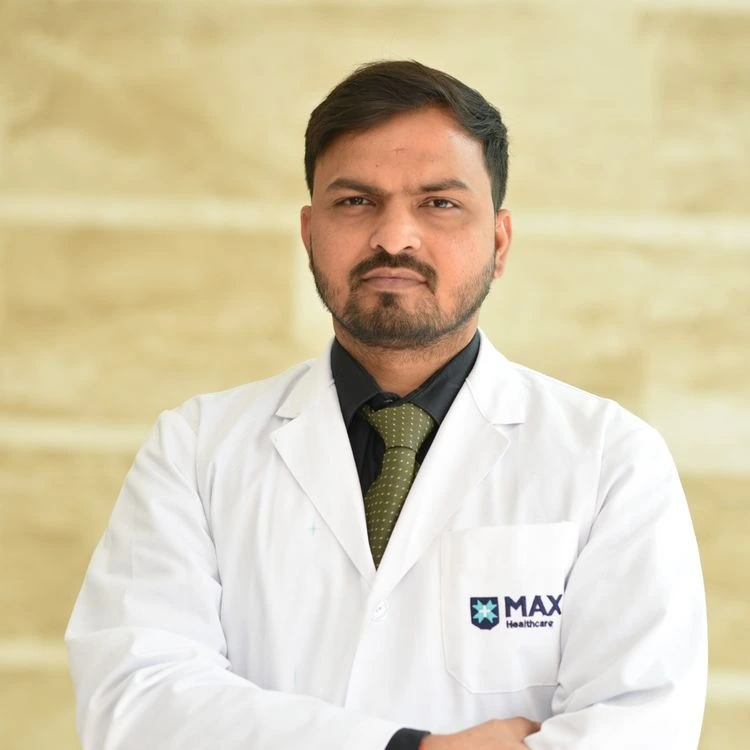
Consulting experienced specialists like Dr. Shashank Chaudhary can help patients identify the specific biological causes of their fatigue—be it nutritional deficiencies or treatment side effects—and improve recovery with personalized cancer care.
👉 Cancer-related fatigue is more than ordinary tiredness — it can affect physical strength, emotions, concentration, and quality of life. Understanding the causes and managing fatigue early can improve recovery and daily well-being during cancer treatment.
Consult Dr. Shashank Chaudhary, recognized as a trusted Cancer specialist in Lucknow, for personalized cancer care and fatigue management guidance