Cervical cancer was once one of the most common causes of cancer-related death for women globally. However, the medical landscape has shifted dramatically. Today, with the combination of the HPV vaccine, advanced cervical cancer screening, and increased public awareness, this disease is now considered one of the most preventable forms of cancer. In India, and specifically in regions like Uttar Pradesh, the burden of cervical cancer remains high, making it essential for families to understand the life-saving potential of preventive oncology.
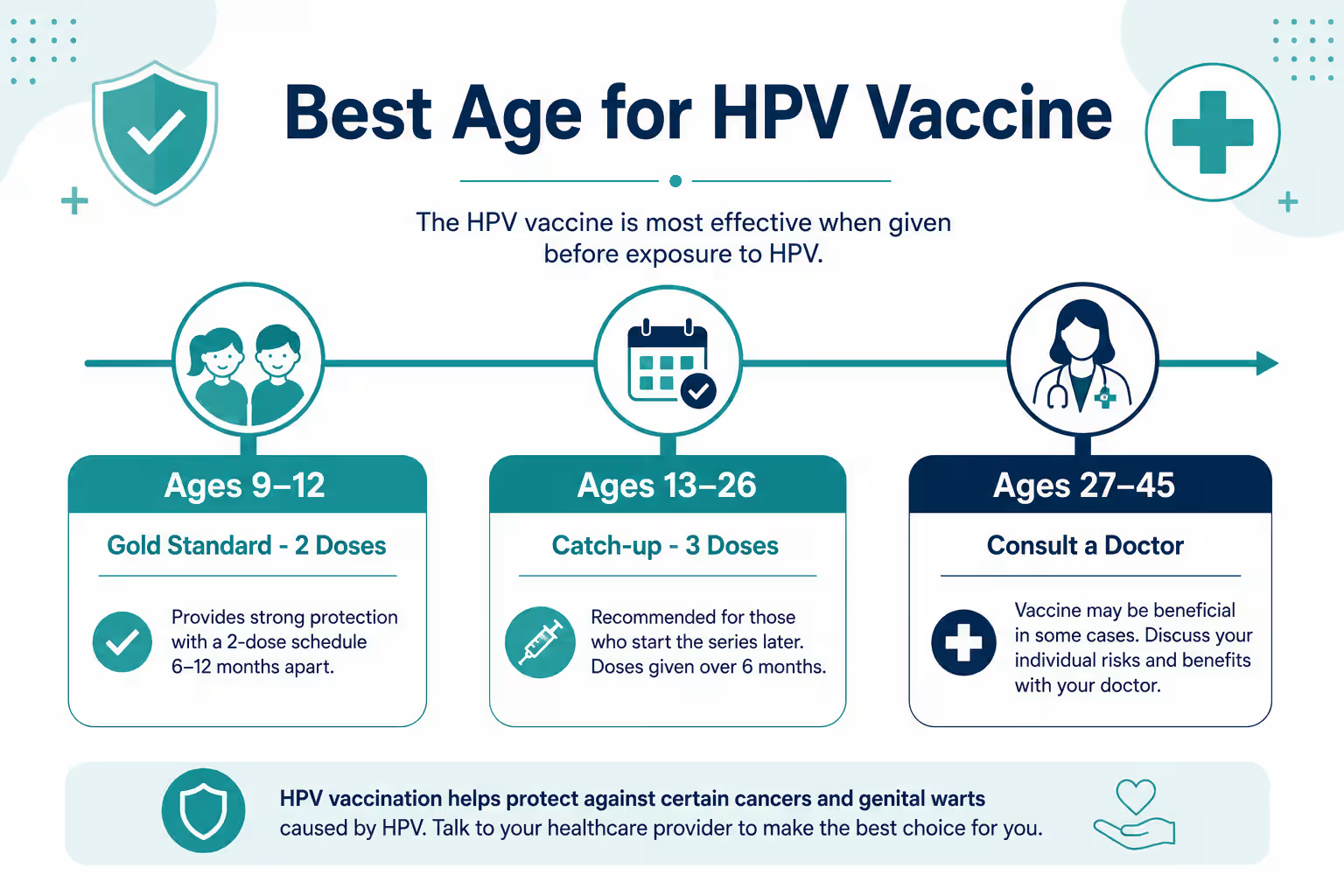
The HPV vaccine helps protect against certain high-risk types of human papillomavirus that can cause cervical cancer. It is most effective when given before exposure to HPV and works best alongside regular cervical cancer screening.
Key Facts: HPV Vaccine & Cervical Cancer Prevention
- Viral Link: Nearly 99% of all cervical cancers are linked to high-risk HPV infection.
- High-Risk Strains: HPV types 16 and 18 are responsible for approximately 70% of cervical cancer cases worldwide.
- Proven Efficacy: According to The Lancet, HPV vaccination can reduce cervical cancer risk by up to 87% when administered at the correct age.
- India Context: Cervical cancer is the second most common cancer among women in India, but it is highly treatable if caught early through a [Pap Smear Test].
What Is Cervical Cancer?
Cervical cancer is a malignant tumor that develops in the cells of the cervix—the lower, narrow end of the uterus that opens into the vagina. Most cervical cancers are squamous cell carcinomas, arising from the flat cells lining the outer part of the cervix.
The development of this cancer is rarely sudden. It typically begins with long-term, “silent” changes in the cervical tissue, a condition called dysplasia or Precancerous Lesions. Because these changes often produce no symptoms in the early stages, many women are unaware of the risk until the disease has progressed. This is why experts like Dr. Shashank Chaudhary, a leading name for those seeking the Best Oncologist in Lucknow, emphasize that “prevention is not just a choice; it is a clinical necessity.”
The Stages of Transformation
- HPV Infection: The virus enters cervical cells through microscopic abrasions.
- Persistence: In most people, the immune system clears the virus. However, in some, the infection persists.
- Cellular Changes: The virus alters the DNA of cervical cells, leading to abnormal growth.
- Invasive Cancer: If left untreated over 10–20 years, these abnormal cells break through the basement membrane and become invasive cancer.
What Is HPV and How Is It Linked to Cervical Cancer?
The Human Papillomavirus (HPV) is a group of more than 200 related viruses. It is so common that the Centers for Disease Control and Prevention (CDC) suggests almost every sexually active person will contract it at some point if they are not vaccinated.
High-Risk vs. Low-Risk HPV
- Low-Risk HPV (e.g., Types 6 and 11): These primarily cause genital warts and are rarely linked to cancer.
- High-Risk HPV (e.g., Types 16, 18, 31, 33, 45, 52, 58): These types can cause persistent infections that lead to cancers of the cervix, vagina, vulva, anus, and throat.
According to the World Health Organization (WHO), persistent infection with high-risk HPV is the fundamental cause of nearly all cervical cancer cases. In a busy [Cancer Screening Clinic] in Lucknow, identifying these high-risk strains through [HPV Testing] is a primary goal of preventive care.
How Does the HPV Vaccine Work?
The cervical cancer vaccine is an inactivated (non-infectious) vaccine. It does not contain the virus’s DNA, so it cannot cause an HPV infection or cancer. Instead, it is made of “virus-like particles” (VLPs) that mimic the outer shell of the virus.
The Biological Shield
When the vaccine is injected, the body’s immune system recognizes these VLPs as foreign invaders and produces antibodies. If the person is later exposed to the actual HPV virus, their immune system is already “primed” to neutralize the virus before it can infect the cervical cells.
It is important to note that the vaccine is preventive, not therapeutic. It cannot treat an existing HPV infection or a diagnosed case of cancer. This distinction is vital for patients discussing options during an oncology consultation.
Who Should Get the HPV Vaccine?
The primary goal of the HPV vaccine is to protect individuals before they are ever exposed to the virus. Consequently, the WHO HPV Vaccine Position Paper and the CDC have established clear guidelines on eligibility.
Target Groups:
- Children and Adolescents: The routine age for vaccination is 11 or 12 years, but it can be started as early as age 9.
- Young Adults: Catch-up vaccination is recommended for everyone through age 26 if they were not adequately vaccinated when younger.
- Adults (27–45): While the benefit is lower because of prior exposure, the vaccine is FDA-approved for adults up to age 45. In these cases, it is best to consult with a specialist in [Preventive Oncology] to determine the potential benefits.
What Is the Best Age to Get the HPV Vaccine?
The HPV vaccination age is the most critical factor in the vaccine’s success.
Why Age 9–12?
- Stronger Immune Response: Clinical data show that younger adolescents produce more antibodies in response to the vaccine than those in their late teens.
- Pre-Exposure: The vaccine works best when given before any sexual contact. Since HPV is spread through skin-to-skin contact, vaccinating pre-teens ensures they are protected for life before the risk of exposure begins.
For families in Lucknow and the surrounding areas of Uttar Pradesh, ensuring children receive this “cancer insurance” early is a priority for local health initiatives.
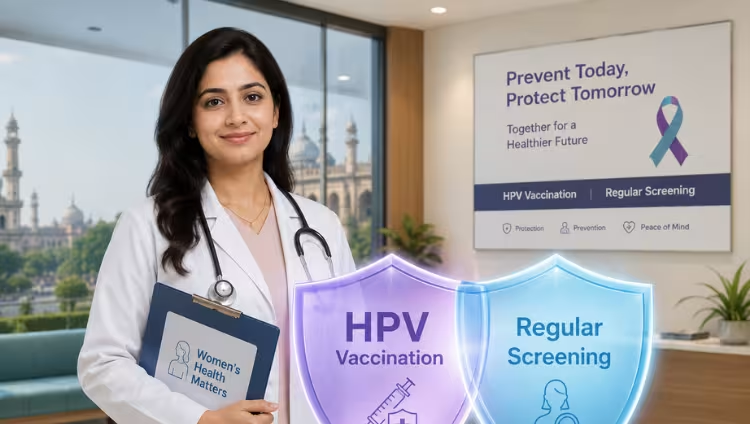
HPV Vaccine Eligibility & Benefits
| Age Group | Vaccine Recommendation | Potential Benefit | Dosage Schedule |
| Pre-teens (9–12) | Strongly recommended | Highest preventive benefit; strongest immunity. | 2 Doses (6–12 months apart) |
| Teenagers (13–15) | Recommended | High protection; catch-up recommended. | 2 Doses |
| Young Adults (16–26) | Recommended | Effective protection against future strains. | 3 Doses (0, 1-2, 6 months) |
| Older Adults (27–45) | Individualized decision | May protect against new strain exposure. | 3 Doses |
Does the HPV Vaccine Really Prevent Cervical Cancer?
The scientific consensus is an emphatic yes.
The Evidence from “The Lancet”
A landmark study published in The Lancet (Falcaro et al., 2021) analyzed the HPV vaccination program in England. The researchers found that the cervical cancer rate was 87% lower in women who were offered the vaccine between the ages of 12 and 13 compared to previous unvaccinated generations.
Global Impact
- Australia: On track to become the first country to eliminate cervical cancer due to high vaccination rates.
- USA: A 65% reduction in cervical cancer rates among women in their 20s since the vaccine’s introduction.
For residents seeking an oncology consultation in Lucknow, these statistics provide peace of mind that the HPV vaccine is one of the most successful medical interventions of the 21st century.
HPV Vaccine Safety — What Do Studies Show?
Safety is a common concern among parents. However, with over 15 years of monitoring and 135 million doses distributed in the US alone, the CDC and WHO confirm the vaccine is exceptionally safe.
Common Side Effects:
- Redness or swelling at the injection site.
- Brief dizziness or fainting (common in teens; doctors recommend sitting for 15 minutes after the shot).
- Mild headache or nausea.
Major Safety Findings:
Multiple global studies have confirmed that the HPV vaccine does not cause:
- Infertility or Premature Ovarian Failure (POF).
- Autoimmune diseases.
- Neurological disorders.
Why Screening Is Still Important After Vaccination
Even if you have received the cervical cancer vaccine, you must continue with regular [Cancer Screening Services].
Why?
- Not All Strains are Covered: While the vaccine covers the most dangerous strains (16 and 18), it does not cover every single high-risk HPV type.
- Age of Vaccination: If you were vaccinated later in life, you might have already been exposed to an HPV type not covered by your specific vaccine dose.
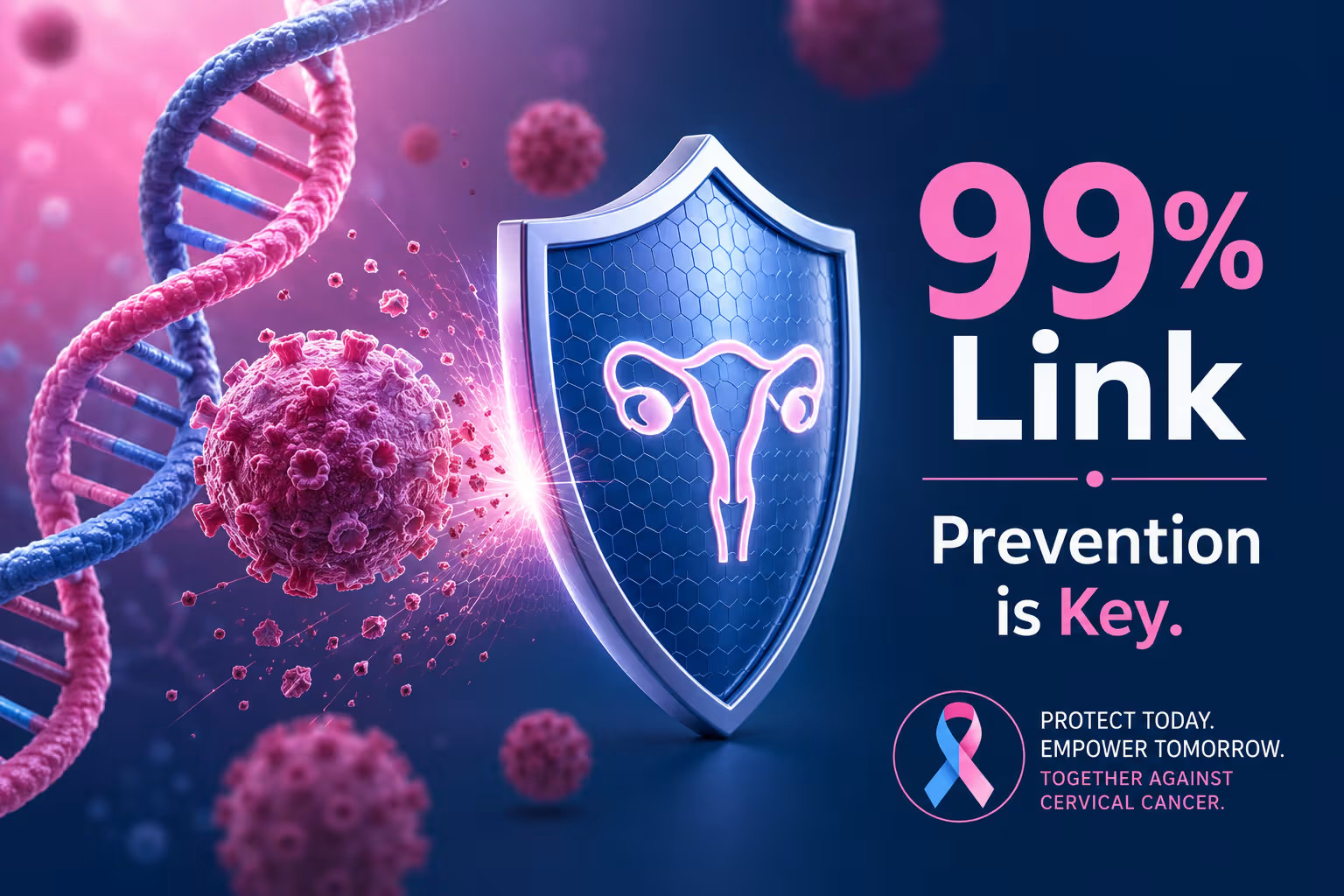
The Screening Gold Standard
- Pap Smear: Every 3 years for women aged 21–29.
- Co-Testing (Pap + HPV Test): Every 5 years for women aged 30–65.
Combining vaccination with regular visits to a [Gynecologic Oncology] specialist ensures a 360-degree approach to health.
Common Myths vs. Facts About HPV Vaccination
- Myth: “The vaccine is only for girls.”
- Fact: CDC HPV Vaccine Recommendations state that boys should also be vaccinated. HPV causes cancers of the throat, anus, and penis in men. Vaccinating boys also stops the spread of the virus to future partners.
- Myth: “The vaccine will make my child sexually active.”
- Fact: Research has repeatedly shown that there is no link between HPV vaccination and an increase in sexual activity or risk-taking behavior.
- Myth: “It’s too late to get the vaccine if I’m already active.”
- Fact: Even if you have one type of HPV, the vaccine can protect you against the other 6–8 high-risk types you haven’t encountered yet.
- Myth: “HPV always causes cancer.”
- Fact: Most HPV infections go away on their own. Only persistent infections with high-risk types lead to cancer.
Other Ways to Reduce Cervical Cancer Risk
Beyond vaccination and screening, lifestyle choices play a role in cervical cancer prevention:
- Smoking Cessation: Smoking doubles the risk of cervical cancer as tobacco byproducts damage the DNA of cervix cells.
- Safe Practices: Consistent condom use reduces (though doesn’t eliminate) HPV transmission.
- Immune Support: A diet high in folate and antioxidants helps the body fight off viral infections.
- Awareness: Knowing [Cervical Cancer Symptoms]—such as abnormal bleeding or pelvic pain—can lead to earlier diagnosis.
When Should You Speak to a Specialist?
If you have questions about vaccine eligibility, have missed your routine screening, or are experiencing unusual symptoms, you should consult a professional.
For cervical cancer screening, HPV vaccination guidance, and comprehensive oncology consultation in Lucknow, patients often consult experts like Dr. Shashank Chaudhary. As a specialist focused on evidence-based care, he helps patients navigate the complexities of [Preventive Oncology] and [Gynecologic Oncology].
Whether you are a parent deciding on your child’s first vaccine dose or an adult woman seeking a [Pap Smear Test], specialized care in a modern [Cancer Screening Clinic] is your best defense.
Final Thoughts
The journey toward a world without cervical cancer is well underway. By understanding that cervical cancer causes are almost entirely viral and preventable, we empower ourselves to take action. The HPV vaccine is a safe, effective, and scientifically proven tool that saves lives.
Informed healthcare decisions are the foundation of a healthy life. Whether you are in Lucknow, Uttar Pradesh, or anywhere else in the world, make sure you and your loved ones are protected.
FAQ
1. Does the HPV vaccine really prevent cervical cancer?
Yes. Large-scale studies, including those published in The Lancet, show a nearly 90% reduction in cancer rates among those vaccinated in early adolescence.
2. At what age should the HPV vaccine be taken?
The optimal age is 9 to 12 years old. However, it is recommended for everyone up to age 26, and adults up to 45 can get it after consulting their doctor.
3. Can adults still get the HPV vaccine?
Yes. While most effective in younger populations, adults up to 45 can benefit from the vaccine, especially if they have new partners or have not been exposed to the high-risk strains covered by the vaccine.
4. Is the HPV vaccine safe?
Yes. It is backed by the American Cancer Society and the WHO. Over a decade of data shows no link to serious long-term health issues.
5. Do vaccinated women still need Pap smear tests?
Absolutely. The vaccine does not protect against all HPV types, so regular [Pap Smear Tests] remain essential for early detection.
6. How many doses of the HPV vaccine are needed?
Two doses are required if started before age 15. If started after age 15, a three-dose series is necessary for full protection.
7. Can the HPV vaccine treat an existing HPV infection?
No, it is a preventive vaccine. It cannot clear an existing infection or treat [Cervical Cancer Symptoms].
8. Who should consult an oncologist regarding cervical cancer risk?
Anyone with a family history of cancer, abnormal screening results, or those seeking expert guidance on the cervical cancer vaccine should consult a specialist like Dr. Shashank Chaudhary in Lucknow.
References:
- World Health Organization (WHO) HPV Vaccine Position Paper (2022).
- CDC HPV Vaccine Recommendations and Safety Monitoring (2023).
- The Lancet: “The effects of the national HPV vaccination programme in England” (Falcaro et al., 2021).
- American Cancer Society Cervical Cancer Screening Guidelines.
Cervical cancer is one of the most preventable cancers when vaccination, regular screening, and awareness work together. Understanding your eligibility for the HPV vaccine and staying up to date with screening can significantly improve long-term health outcomes.
For personalized cancer prevention guidance, screening advice, and oncology consultation in Lucknow, specialists like Dr. Shashank Chaudhary help patients make informed healthcare decisions. Contact your nearest cancer screening clinic today.