Swallowing problems (dysphagia) after esophageal cancer treatment occur due to tissue scarring (fibrosis), inflammation from radiation, or muscle weakness following surgery. These are managed through swallowing exercises, dietary changes (soft foods), staying hydrated, and medical procedures like endoscopic dilation to widen the esophagus, ensuring better nutrition and recovery.
Going through cancer treatment is a brave journey. As a surgical oncologist, I have seen hundreds of patients fight this battle with incredible strength. However, the end of radiation or surgery is often not the end of the physical challenges. One of the most common issues patients face is difficulty swallowing.
If you or a loved one is finding it hard to eat or drink after Esophageal Cancer Treatment, please know that you are not alone. It is a common side effect, and more importantly, it is manageable. In this guide, I will explain why this happens and how we can work together to make eating a joyful experience again.
Why Do Cancer Patients Have Trouble Swallowing?
In the medical world, we call the difficulty of swallowing “dysphagia.” For a healthy person, swallowing is something that happens automatically. But for someone who has undergone treatment for esophageal cancer, the simple act of moving food from the mouth to the stomach can feel like a mountain to climb.
What exactly is Dysphagia?
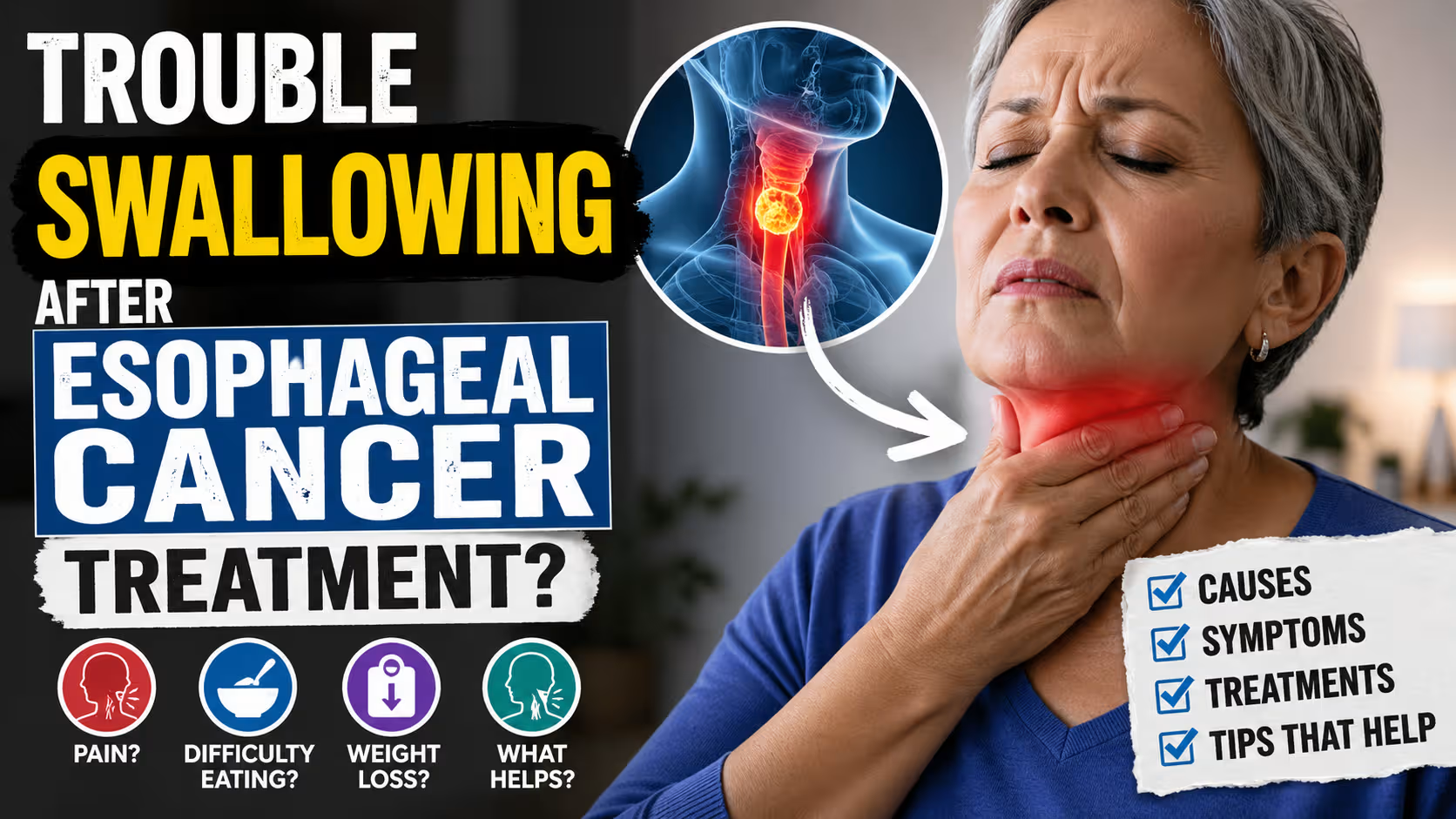
Think of your esophagus as a flexible, muscular tube. For food to move down, the muscles must squeeze in a specific rhythm, and the tube must be wide enough for food to pass. Cancer treatments, while necessary to kill cancer cells, can sometimes affect how these muscles work or cause the tube to narrow.
How treatment affects swallowing:
- Surgery: During surgery, a part of the esophagus might be removed, and the stomach may be pulled up to reconnect the path. This change in anatomy can alter how you swallow.
- Radiation: Radiation therapy is excellent at destroying tumors, but it can also cause “internal scarring.” This makes the tissues stiff rather than flexible.
- Chemotherapy: This can cause mouth sores or a very dry mouth, making it hard to lubricate food.
Real-life example: Imagine a garden hose. If the hose gets a kink or if the material becomes hard and brittle over time, water cannot flow through easily. Similarly, treatment can make the “food pipe” less flexible or narrower.
Managing Swallowing Problems From Radiation Therapy
Radiation therapy is a cornerstone of Esophageal Cancer Treatment in Lucknow, but it can leave the throat and esophagus feeling quite sensitive.
Tissue Irritation and Inflammation
Immediately after radiation, the lining of the esophagus may become red and swollen (a condition called mucositis). This makes swallowing painful. It feels like a very bad sore throat that doesn’t go away with normal lozenges.
Dryness (Xerostomia)
Radiation can sometimes affect the salivary glands. Without enough saliva, food stays dry and “scratchy,” making it difficult to slide down the throat.
Practical Management Tips:
- Cooling Foods: Cold items like yogurt, milkshakes, or fruit popsicles can soothe the “burned” feeling in the esophagus.
- Avoid Spices: Now is the time to skip the chilies and acidic foods like lemons, which can sting the irritated lining.
- Moisturize Your Food: Always add gravy, dal, or extra sauce to your meals. Never eat dry bread or dry rice alone.
Swallowing Problems From Head and Neck Cancer
While we are focusing on the esophagus, many patients also seek the Head & Neck cancer treatment for tumors located higher up in the throat or mouth.
Tumor Location Impact
If a tumor was located near the base of the tongue or the voice box, the “valves” that protect your airway during swallowing might not close perfectly. This can lead to food “going down the wrong pipe,” causing coughing or choking.
Muscle Weakness
Surgery in the head and neck area can sometimes weaken the muscles of the tongue and throat. If the tongue cannot push the food back effectively, the swallowing process stalls before it even begins.
Dysphagia in Cancer Patients: Symptoms to Watch

It is important to recognize dysphagia cancer symptoms early so we can adjust your treatment plan. Watch out for these signs:
- Pain while swallowing: Feeling a sharp or dull ache when food moves down.
- Feeling food stuck: The sensation that bread or meat is “hanging” in the middle of your chest.
- Coughing or Choking: If you cough every time you take a sip of water, it’s a major sign.
- Drooling: Inability to swallow even your own saliva.
- Unintended Weight Loss: If eating is too hard, you might eat less and lose weight rapidly, which slows down your recovery.
If you notice these symptoms, it is vital to consult your specialist. As an expert in Esophageal Cancer Treatment in Lucknow, I always tell my patients, “Don’t suffer in silence; we have tools to help you.”
What Types of Cancer Cause Swallowing Problems?
While esophageal cancer is the most common cause, other cancers can also lead to difficulty swallowing.
- Esophageal Cancer: The tumor directly blocks the pipe.
- Head & Neck Cancer: Affects the mouth and throat muscles.
- Pancreatic Cancer (Rare Association): You might wonder: Is trouble swallowing common with pancreatic cancer? Not directly. However, advanced pancreatic cancer can cause severe acid reflux or pressure on the stomach, which makes swallowing feel uncomfortable.
- Breast Cancer (Rare Link): Patients often ask about breast cancer and difficulty swallowing. This is very rare and usually only happens if the cancer spreads to the lymph nodes in the chest, which then press against the esophagus.
Difficulty Swallowing in Advanced or End-Stage Cancer
This is a sensitive topic, but one that needs an honest and empathetic discussion. In the advanced stages of cancer, the body becomes very weak.
Why symptoms worsen:
In advanced stages, the muscles used for swallowing may simply lose their strength. The body focuses its energy on vital organs like the heart and lungs. Difficulty swallowing in end-stage cancer is often managed with “comfort care.”
Supportive Care Focus:
Our goal here is not necessarily to “fix” the swallow but to ensure the patient is comfortable. This might involve:
- Small, frequent sips of water.
- Thickening liquids so they don’t cause choking.
- Using medications to reduce excess saliva or phlegm.
Treatment Options for Dysphagia After Cancer
There is a wide range of dysphagia cancer treatment options available today. We choose the one that fits your specific situation.
1. Swallowing Therapy
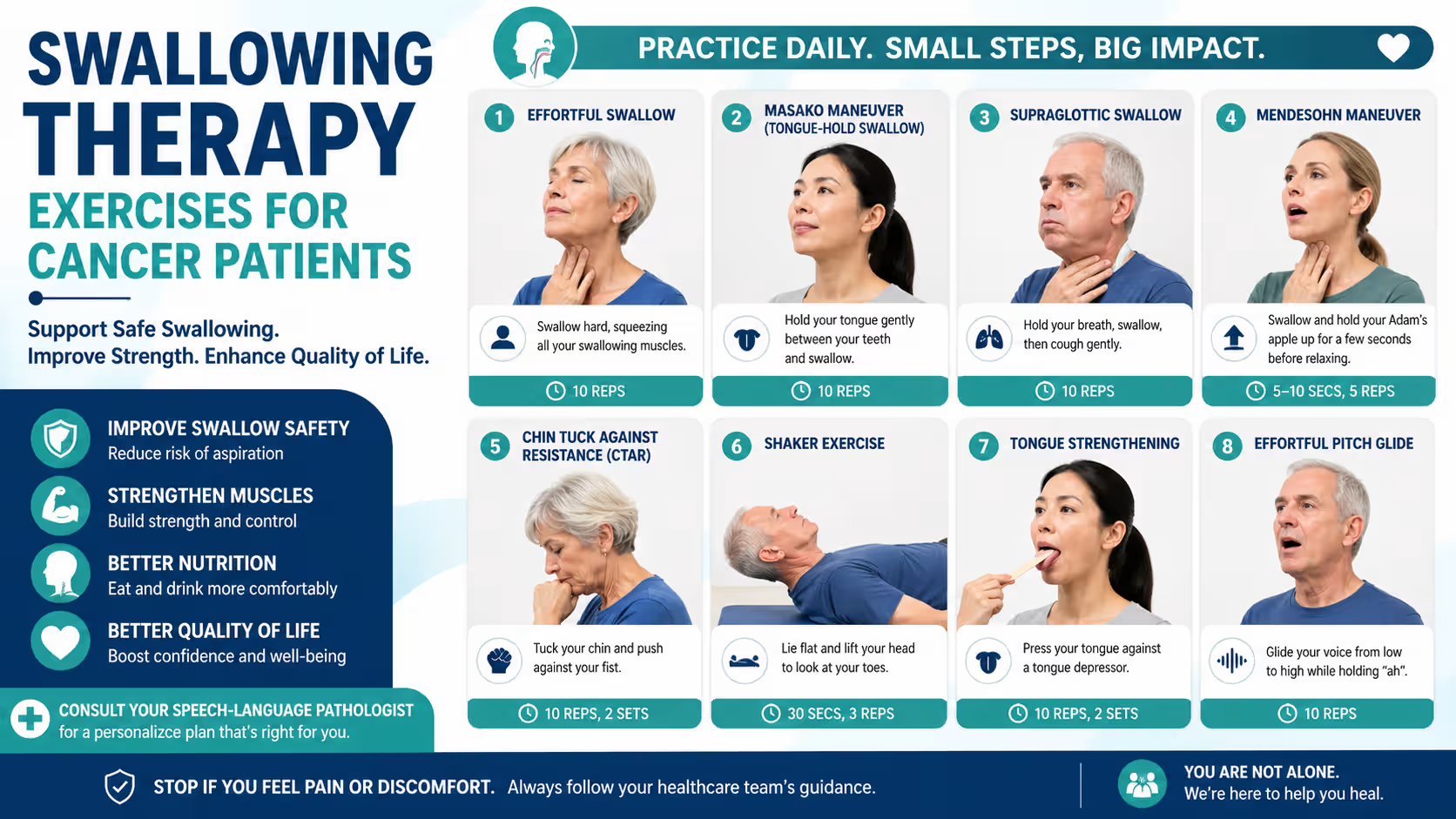
Just like you go to physiotherapy for a leg injury, you can do “gym for your throat.” A speech and language therapist can teach you exercises to strengthen your tongue and throat muscles.
2. Endoscopic Dilation
If radiation has caused your esophagus to narrow (a stricture), I can perform a simple procedure to stretch it gently. We use a thin tube with a balloon at the end to widen the passage, making it easier for food to pass.
3. Esophageal Stents
In some cases, we place a small metal mesh tube (stent) inside the esophagus to keep it open. This provides immediate relief for patients who cannot swallow solid foods.
4. Diet Modification
Working with a nutritionist is key. We often move patients to a “mechanical soft diet” where everything is mashed or blended but still retains its nutritional value.
💡 Tips to Manage Swallowing Problems at Home
You don’t always need a hospital procedure to find relief. Here are some simple steps you can take today:
- The “Chin Tuck” Technique: Try tucking your chin toward your chest when you swallow. This helps close the airway and makes it easier for food to go into the esophagus.
- Sit upright: Never eat while lying down. Sit at a 90-degree angle and stay upright for at least 30 minutes after a meal to let gravity help.
- Small Bites, Slow Pace: Use a teaspoon instead of a tablespoon. Chew your food until it is a complete liquid before trying to swallow.
- Stay Hydrated: Sip water throughout the day. A dry throat is a stiff throat.
- High-Calorie Liquids: If you can’t eat much, make sure what you do drink is packed with energy—think protein shakes, smoothies, and thick soups.
A Real-Life Recovery Story: The Journey of Mr. Verma
Mr. Verma came to me after completing his Esophageal Cancer Treatment. He was cancer-free, but he was miserable. He couldn’t even swallow a piece of soft papaya without coughing. He felt like his “social life was over” because he couldn’t eat with his family.
We started with a dual approach: a gentle dilation procedure to open a narrow spot in his throat and daily swallowing exercises. Within three months, Mr. Verma went from a liquid-only diet to eating khichdi and soft vegetables. Today, he enjoys his meals and, more importantly, he enjoys the company of his family again.
Recovery takes time, but it is possible.
When Should You See a Doctor?
While some difficulty is expected, you should reach out to Dr. Shashank Chaudhary immediately if you experience:
- A complete inability to swallow (even saliva).
- Food is getting “stuck” for more than a few minutes.
- Frequent coughing or a “wet” sounding voice after eating.
- A fever (which could mean food has entered the lungs, causing an infection).
For the Best Head & neck cancer treatment and esophageal care, early intervention is the best way to prevent complications like pneumonia or severe malnutrition.
FAQs
1. Why do cancer patients have trouble swallowing?
It is usually due to the physical presence of a tumor, scarring from radiation, or the surgical reconstruction of the food pipe, which changes how muscles move food.
2. What are dysphagia cancer symptoms?
Common symptoms include pain while swallowing, the sensation of food being stuck in the chest, coughing while eating, and unexplained weight loss.
3. Can breast cancer cause difficulty swallowing?
It is very rare. It typically only happens if the cancer spreads to the chest area and puts pressure on the esophagus from the outside.
4. What kind of cancer causes swallowing problems?
Esophageal cancer and Head & Neck cancers (throat, tongue, tonsils) are the primary causes. Lung cancer can also cause it if the tumor presses against the esophagus.
5. Is trouble swallowing common in pancreatic cancer?
It is not a standard symptom. However, in advanced stages, general weakness or severe acid reflux related to pancreatic issues can make swallowing feel difficult.
6. How is dysphagia treated in cancer patients?
Treatment includes swallowing therapy (exercises), widening the esophagus (dilation), stents, and modifying the diet to include softer, calorie-rich foods.
Final Thoughts: A Path Toward Better Days
Swallowing is more than just a biological function; it is how we enjoy life and share moments with our loved ones. If you are struggling with your diet after Esophageal Cancer Treatment, please do not lose hope. Your body has been through a lot, and it needs time—and the right medical guidance—to heal.
As a surgical oncologist, my goal is not just to remove the cancer, but to ensure you have a high quality of life after the cancer is gone. We have the expertise and the technology to help you swallow better and feel stronger.
If you or your loved one is facing swallowing difficulties after cancer treatment, don’t ignore it. Every day you wait is a day your body loses out on vital nutrition.
Consult Dr. Shashank Chaudhary for expert guidance and personalized care. Whether you need a simple consultation or advanced intervention, we are here to support your recovery.
Your journey to recovery starts with a single step. Let’s take that step together.