Thyroid cancer in women under 40 often develops silently. Early symptoms may include a painless neck lump, voice changes, swallowing difficulties, or persistent throat discomfort. Recognizing these signs early can improve treatment outcomes. While often highly treatable, awareness of these subtle warning signs is essential for young women to ensure timely diagnosis and care.
Introduction
In recent years, the medical community has observed a significant shift in oncology trends: thyroid cancer is becoming increasingly common among young adults, particularly women. While cancer is often perceived as a condition affecting older populations, thyroid cancer is a notable exception. It is currently one of the most common cancers diagnosed in women aged 20 to 39.
The rising awareness of thyroid cancer is a double-edged sword. On one hand, improved diagnostic tools like high-resolution ultrasounds are catching smaller nodules earlier than ever before. On the other hand, the prevalence of this disease in younger age groups highlights a need for targeted education. Women are nearly three times more likely to develop thyroid cancer than men, and when it occurs in those under 40, the symptoms can be incredibly subtle—often mistaken for stress, allergies, or minor respiratory infections.
Early detection remains the cornerstone of successful treatment. By understanding what to look for and when to seek professional advice from experts like Dr. Shashank Chaudhary, women can take proactive control of their endocrine health.
What Is Thyroid Cancer?
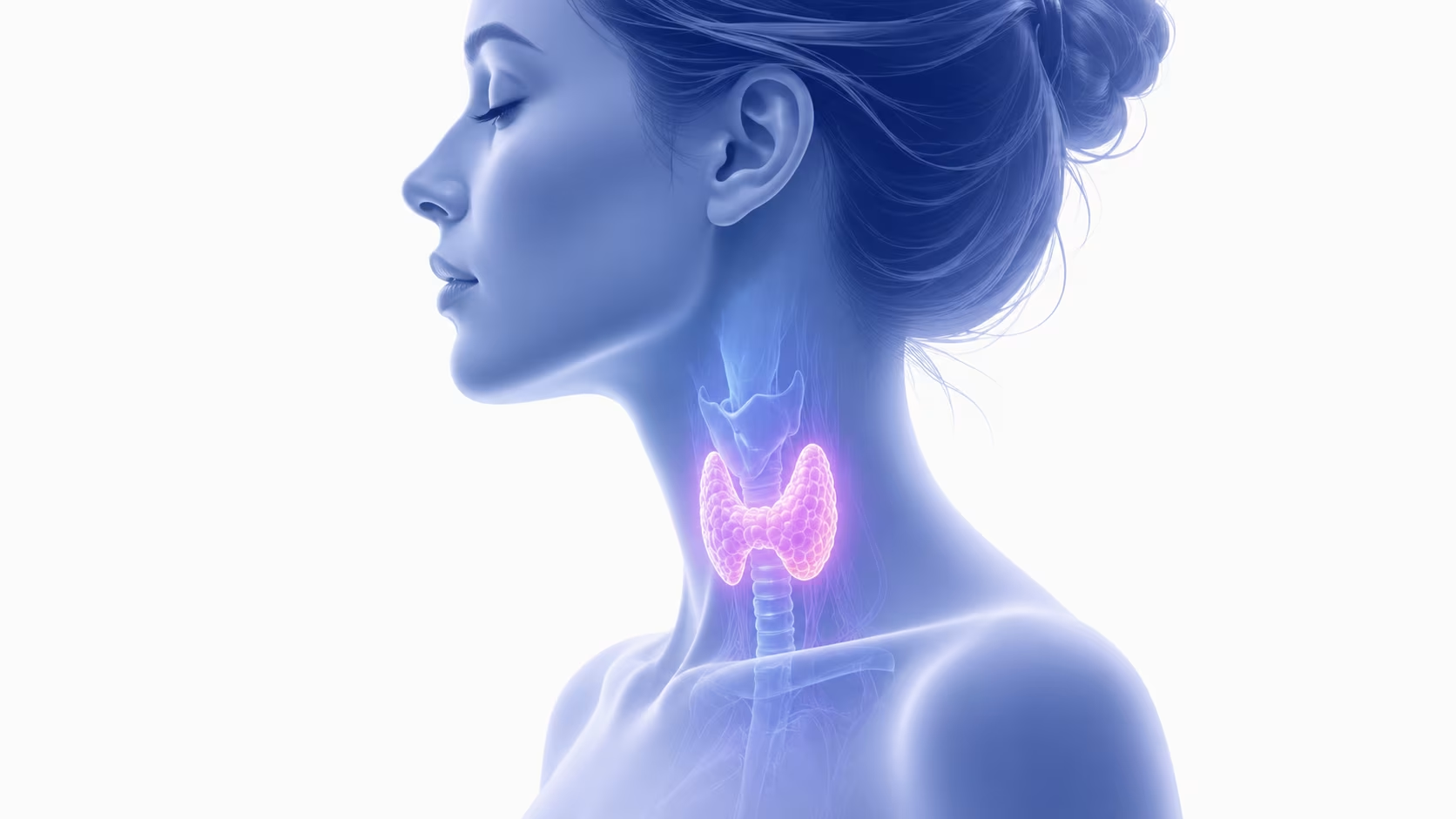
The thyroid is a small, butterfly-shaped gland located at the base of the neck, just below the Adam’s apple. Despite its small size, it plays a massive role in the body’s ecosystem, producing hormones (T3 and T4) that regulate metabolism, heart rate, body temperature, and blood pressure.
Thyroid cancer develops when the cells in this gland undergo genetic mutations that cause them to grow and multiply uncontrollably. These cells eventually form a tumor or mass known as a nodule.
Different Types of Thyroid Cancer
Not all thyroid cancers are the same. Understanding the type is vital for determining the treatment path:
- Papillary Thyroid Cancer: The most common form, accounting for about 80% of cases. It grows slowly and is highly treatable, especially in younger women.
- Follicular Thyroid Cancer: The second most common type, usually found in countries where people don’t get enough iodine in their diets.
- Medullary Thyroid Cancer: This type can be linked to genetic syndromes and develops in the thyroid’s C cells, which produce calcitonin.
- Anaplastic Thyroid Cancer: A very rare and aggressive form that typically occurs in older adults and is seldom seen in women under 40.
Why does early diagnosis matter? While most thyroid cancers in young women have an excellent prognosis, early intervention minimizes the need for aggressive surgeries and reduces the risk of the cancer spreading to nearby lymph nodes or other parts of the body.
Why Is Thyroid Cancer More Common in Women Under 40?
The gender disparity in thyroid cancer is one of the most studied areas in endocrinology. Several factors contribute to why young women are at a higher risk:
Hormonal Influences
Estrogen is believed to play a significant role. Thyroid cells have estrogen receptors, and some research suggests that high levels of estrogen—common during childbearing years—may stimulate the growth of thyroid cells, potentially leading to malignant changes. This may explain why the gap between male and female diagnoses narrows after menopause.
Genetic Factors and Family History
If a close relative (parent or sibling) has had thyroid cancer, your risk increases. Certain inherited genetic conditions, such as familial adenomatous polyposis (FAP), are also linked to a higher incidence of thyroid tumors.
Improved Screening and Healthcare Proactivity
Statistically, women under 40 are more likely to seek medical care for routine checkups or reproductive health issues. During these exams, clinicians often perform neck palpations or order imaging that leads to the incidental discovery of thyroid nodules.
Environmental Exposures
Exposure to high levels of radiation, especially during childhood (such as radiation therapy for other head and neck conditions), is a well-documented risk factor.
The Most Common Symptoms of Thyroid Cancer
In its early stages, thyroid cancer rarely causes noticeable symptoms. However, as the tumor grows, it may produce physical changes. In young women, these are often the primary early signs of thyroid cancer:
1. A Neck Lump or Swelling
The most frequent sign is a thyroid lump in women. This is usually a firm, painless mass felt in the front of the neck. Unlike the lymph nodes that swell during a cold (which are usually soft and tender), a thyroid nodule often feels hard and does not move much when touched.
2. Persistent Hoarseness
If your voice changes—becoming breathy, raspy, or chronically hoarse—without a clear cause like a cold or laryngitis, it could indicate that a thyroid tumor is pressing on the recurrent laryngeal nerve, which controls the vocal cords.
3. Difficulty Swallowing (Dysphagia)
As a thyroid nodule increases in size, it may press against the esophagus. You might feel like food is getting “stuck” or experience discomfort when swallowing solids or liquids.
4. Throat and Neck Pain
While thyroid cancer is often painless, some women experience a dull ache in the neck that sometimes radiates up toward the ears.
5. Enlarged Lymph Nodes
Sometimes, the first sign isn’t a lump on the thyroid itself but swollen lymph nodes in the side of the neck. If these remain enlarged for more than a few weeks, medical evaluation is necessary.
6. Breathing Difficulty
In rare cases where a tumor is large enough to press on the trachea (windpipe), you may experience shortness of breath or a “wheezing” sound when breathing, particularly when lying flat.

Easy-to-Miss Symptoms Women Often Ignore
For women under 40, life is often a whirlwind of career building, childcare, and social commitments. Consequently, subtle thyroid nodule symptoms are frequently brushed off as “just being tired” or “a lingering throat tickle.”
Mild Neck Fullness
Instead of a distinct lump, some women simply feel a general tightness or fullness in the lower neck. You might notice that turtle-neck sweaters or necklaces feel tighter than usual.
Occasional Voice Changes
You might find that your voice tires more easily by the end of the day or that you can no longer hit high notes while singing. Because this isn’t “total voice loss,” many ignore it.
Persistent Cough Without Infection
A dry, hacking cough that doesn’t go away and isn’t accompanied by mucus or fever can be a sign of a thyroid mass irritating the airway.
Unexplained Ear Pain
Because of the way nerves are distributed in the head and neck, some people experience “referred pain.” This means the problem is in the thyroid, but the brain perceives the pain as coming from the ear.
Subtle Pressure in the Neck
A feeling of “constant pressure” when looking down or turning the head is a common but frequently ignored symptom.
Feeling Something Stuck in the Throat
Known medically as globus sensation, this is the persistent feeling of a “lump in the throat” even when you aren’t eating.
Why are these overlooked? Most young women assume these symptoms are related to acid reflux (GERD), seasonal allergies, or the common flu. However, if these symptoms persist for more than 2-3 weeks, they require a professional look from a thyroid specialist.
Thyroid Cancer vs. Thyroid Disorders: How Are They Different?
It is important to distinguish between thyroid cancer and benign conditions like hypothyroidism (underactive thyroid) or Hashimoto’s disease.
| Symptom | Thyroid Cancer | Benign Thyroid Condition (e.g., Goiter/Nodule) |
| Lump | Usually single, hard, and fixed. | Often multiple, softer, or moves easily. |
| Pain | Generally painless in early stages. | Can be tender (if thyroiditis is present). |
| Growth Rate | Can be slow (Papillary) or fast. | Usually grows very slowly over years. |
| Voice Changes | Common if the nerve is involved. | Rare, unless the goiter is very large. |
| Weight Changes | Rare (Cancer doesn’t usually affect T3/T4). | Very common (Weight gain/loss). |
| Swallowing Issues | Possible with local invasion. | Possible only with very large goiters. |
Key Takeaway: Most thyroid cancers do not affect the thyroid’s ability to produce hormones. Therefore, your blood tests (TSH levels) might come back perfectly normal even if a malignant tumor is present. This is why physical exams and ultrasounds are so critical.
Risk Factors for Thyroid Cancer in Young Women
While the exact cause isn’t always clear, certain factors increase the likelihood:
- Family History: A history of thyroid nodules or cancer in first-degree relatives.
- Radiation Exposure: Previous radiation treatment to the head, neck, or chest during childhood.
- Obesity: Increasing evidence suggests a link between higher Body Mass Index (BMI) and an increased risk of thyroid cancer.
- Iodine Imbalance: Both too much and too little iodine in the diet can affect thyroid health.
- Genetic Syndromes: Conditions like Cowden syndrome or Carney complex.
When Should a Neck Lump Be Evaluated?
Not every lump in the neck is cancer—in fact, about 90% of thyroid nodules are benign. However, you should see a doctor immediately if:
- The lump is growing rapidly.
- The lump is hard or “fixed” in place.
- You have a family history of thyroid cancer.
- The lump is accompanied by a persistent cough or hoarseness.
Dr. Shashank Chaudhary emphasizes that “watchful waiting” should only be done under the guidance of a specialist after an initial diagnostic workup has been completed.
Step-by-Step: How Thyroid Cancer Is Diagnosed
If a doctor suspects a thyroid issue, the diagnostic process usually follows this path:
Step 1: Clinical Examination
The physician will physically palpate (feel) your neck to check the size and texture of the thyroid and look for enlarged lymph nodes.
Step 2: Thyroid Ultrasound
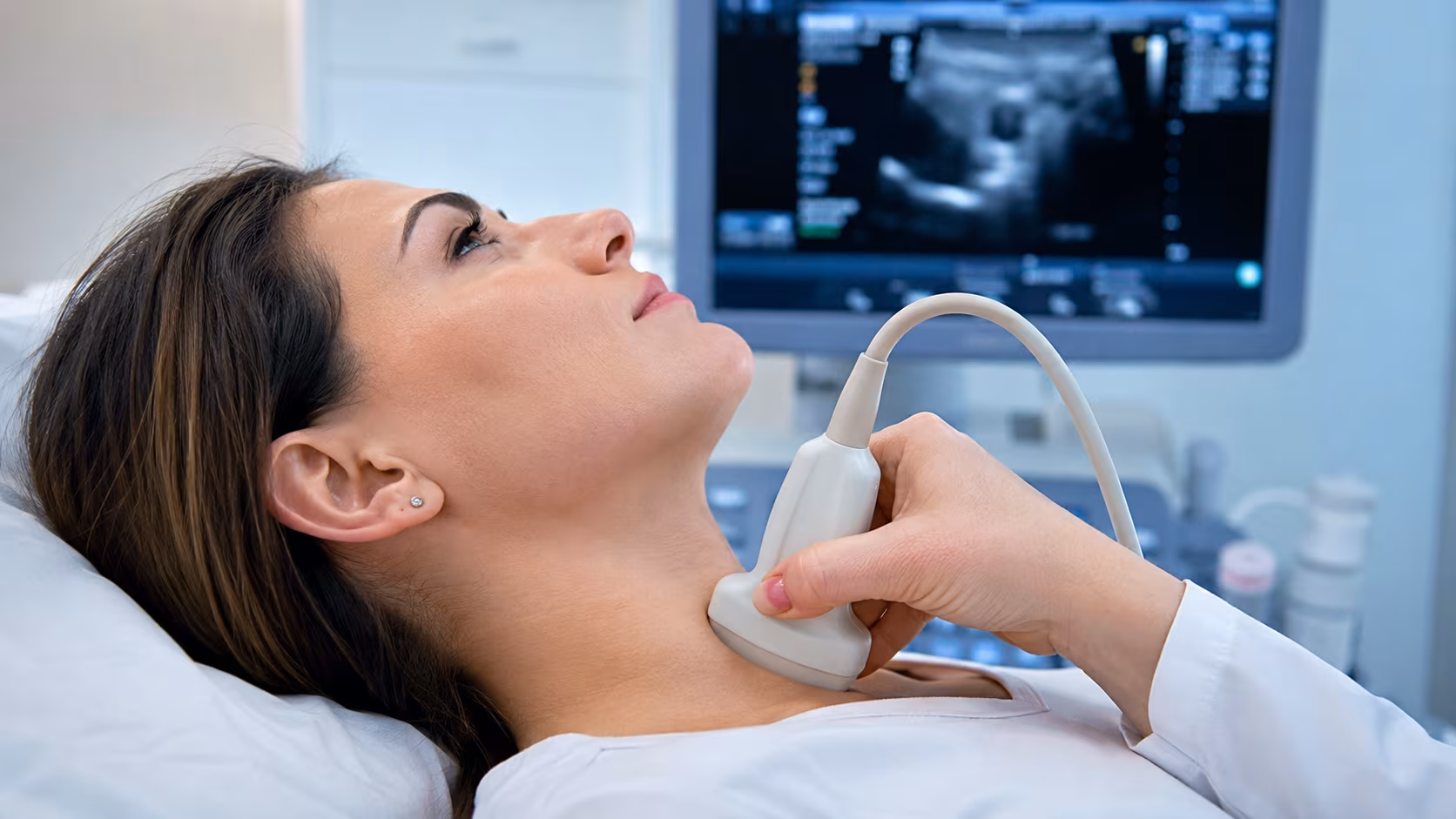
This is the gold standard for initial imaging. It uses sound waves to create a picture of the gland, helping doctors determine if a nodule is solid (more suspicious) or filled with fluid (usually a cyst).
Step 3: Blood Tests
While not used to diagnose cancer directly, tests for TSH (Thyroid Stimulating Hormone), T3, and T4 help check the overall function of the gland. In some cases, a Calcitonin test is performed if Medullary cancer is suspected.
Step 4: Fine Needle Aspiration (FNAC)
This is a simple office procedure. A very thin needle is used to withdraw cells from the nodule. These cells are then examined under a microscope by a pathologist to check for cancer.
Step 5: Advanced Imaging
In rare cases, a CT scan or MRI may be ordered to see if the cancer has spread to other structures in the neck or chest.
Can Thyroid Cancer Be Cured?
The short answer is yes. Thyroid cancer, especially the papillary and follicular types common in women under 40, has one of the highest cure rates of any cancer.
- Early-Stage Outcomes: For localized thyroid cancer (contained within the gland), the 5-year survival rate is nearly 100%.
- Long-Term Survival: Most young women go on to live full, healthy lives after treatment, with minimal impact on their life expectancy.
- The Importance of Timely Treatment: While the prognosis is excellent, delaying treatment can lead to the cancer spreading to lymph nodes, which may require more extensive surgery and radioactive iodine therapy.
Treatment Options for Thyroid Cancer
Treatment is personalized based on the type, size, and stage of the cancer.
Active Monitoring (Selected Cases)
For very small (under 1cm), slow-growing papillary microcarcinomas, some specialists may suggest “active surveillance”—regular ultrasounds to monitor the nodule instead of immediate surgery.
Thyroid Surgery
This is the most common treatment. It may involve:
- Lobectomy: Removing only half of the thyroid containing the tumor.
- Total Thyroidectomy: Removing the entire gland.
- Lymph Node Dissection: Removing nearby lymph nodes if the cancer has spread.
Radioactive Iodine (RAI) Therapy
After surgery, some patients swallow a dose of radioactive iodine. Since thyroid cells are the only cells in the body that absorb iodine, the radiation kills any remaining microscopic cancer cells without harming the rest of the body.
Targeted Therapy
For advanced or rare types of thyroid cancer, specific drugs can target the genetic mutations driving the cancer’s growth.
Follow-Up Care
Regular blood tests and ultrasounds are necessary for several years after treatment to ensure the cancer does not return.
Recovery After Thyroid Cancer Treatment
Recovery for young women is generally swift, but it requires adjustment.
- Hospital Stay: Usually 1–2 days.
- Recovery Timeline: Most patients return to light activity within a week and full activity within 3–4 weeks.
- Hormone Replacement Therapy: If your entire thyroid is removed, you will need to take a daily pill (Levothyroxine) for the rest of your life. This pill replaces the hormones your thyroid used to make, keeping your metabolism and energy levels stable.
- Lifestyle Adjustments: Most women find that once their hormone levels are balanced, they feel completely normal and can even undergo healthy pregnancies.
Common Myths and Facts About Thyroid Cancer
Myth 1: Thyroid Cancer Always Causes Pain.
- Fact: Most thyroid cancers are completely painless in the early stages. A lack of pain does not mean a lump is harmless.
Myth 2: Young Women Cannot Get Thyroid Cancer.
- Fact: Thyroid cancer is actually one of the most common cancers in women aged 20–39.
Myth 3: Every Thyroid Lump Is Cancer.
- Fact: Approximately 90% of thyroid nodules are benign (non-cancerous). However, every lump needs medical evaluation.
Myth 4: Surgery Always Causes Permanent Voice Loss.
- Fact: While there is a small risk to the vocal cord nerves, modern surgical techniques used by specialists like Dr. Shashank Chaudhary have made permanent voice changes extremely rare.
Myth 5: Thyroid Cancer Is Always Aggressive.
- Fact: Most thyroid cancers are slow-growing and have an excellent prognosis if treated appropriately.
How Women Can Protect Their Thyroid Health
While you cannot always prevent cancer, you can ensure early detection:
- The “Neck Check”: Periodically look in the mirror while swallowing water. Watch for any bulges or protrusions in the thyroid area.
- Regular Health Checkups: Ensure your primary care doctor performs a neck palpation during your annual physical.
- Know Your Family History: Share any history of thyroid issues or radiation exposure with your doctor.
- Healthy Lifestyle: Maintain a healthy weight and balanced iodine intake to support overall endocrine health.
When Should You Consult a Cancer Specialist?
Don’t wait for “obvious” signs. In many cases, thyroid cancer in young women is caught during a routine visit for something else. However, you should specifically book a consultation with a specialist if you notice:
- A persistent neck swelling or a visible lump.
- Enlarged lymph nodes that don’t resolve after a cold.
- Hoarseness or voice changes lasting more than two weeks.
- A persistent “tight” feeling in the throat or difficulty swallowing.
- A strong family history of thyroid or endocrine cancers.
For expert guidance, timely diagnosis, and a comprehensive treatment plan, consulting a dedicated thyroid specialist like Dr. Shashank Chaudhary is the first step toward peace of mind and effective recovery.
Final Thoughts
Thyroid cancer is often highly treatable, but its symptoms in women under 40 can be frustratingly subtle. A “tickle in the throat,” a slight change in voice, or a small, painless lump are easy to ignore in the busyness of young adulthood. However, early diagnosis significantly improves outcomes and simplifies the treatment process.
If you notice any persistent neck-related symptoms, do not hesitate. Awareness is your most powerful tool. By recognizing the early signs of thyroid cancer and seeking professional evaluation, you are taking a vital step in protecting your long-term health.
FAQs – Thyroid cancer in young women
1. What are the first signs of thyroid cancer in women?
The most common first sign is a painless lump or nodule in the front of the neck. Other early signs include persistent hoarseness, a “full” feeling in the throat, and swollen lymph nodes.
2. Is thyroid cancer common in women under 40?
Yes, thyroid cancer is one of the most frequently diagnosed cancers in women aged 20 to 39. It is significantly more common in women than in men in this age group.
3. Can thyroid cancer cause weight changes?
Usually, no. Thyroid cancer typically doesn’t affect the production of thyroid hormones (T3 and T4), so it rarely causes the weight gain or loss associated with hypothyroidism or hyperthyroidism.
4. Are all thyroid nodules cancerous?
No. Most thyroid nodules (about 90%) are benign. However, because they can look the same as cancerous nodules on the outside, a medical evaluation and ultrasound are necessary.
5. How is thyroid cancer diagnosed?
Diagnosis typically involves a physical exam, a thyroid ultrasound, and a Fine Needle Aspiration (FNAC) biopsy to test the cells for cancer.
6. Can thyroid cancer be cured completely?
Yes, the majority of thyroid cancers, particularly Papillary Thyroid Cancer, have an extremely high cure rate—often near 100% when caught early.
7. Is thyroid surgery safe?
Thyroid surgery is considered very safe, especially when performed by an experienced thyroid specialist. Potential risks such as voice changes or low calcium levels are rare with modern surgical techniques.
8. What does a thyroid cancer lump feel like?
A cancerous thyroid lump usually feels firm or hard, is painless, and does not move easily when touched. It often stays in the same place when you swallow.
9. Does thyroid cancer spread quickly?
Most common types of thyroid cancer (Papillary and Follicular) grow very slowly. However, if left untreated for a long period, they can spread to the lymph nodes in the neck.
10. When should I consult a specialist for thyroid symptoms?
You should consult a specialist like Dr. Shashank Chaudhary if you have a neck lump, persistent hoarseness for over two weeks, or difficulty swallowing that cannot be explained by a cold or infection.
CTA
A painless neck lump or persistent throat symptoms should never be ignored, especially if they continue for weeks or gradually worsen. Early evaluation can make a significant difference in diagnosis and treatment outcomes.
For expert guidance, timely diagnosis, and personalized cancer care, consult Dr. Shashank Chaudhary and discuss any persistent thyroid-related symptoms with a qualified specialist. Early detection saves lives—schedule your evaluation today.