Many people believe that only smokers get lung cancer. However, this is not true. Thousands of people who have never smoked are diagnosed with lung cancer every year. In fact, lung cancer in non-smokers is becoming more common, especially among women and younger adults.
If lung cancer in non-smokers were considered a separate disease, it would still rank among the leading causes of cancer-related deaths worldwide. This shows why awareness is so important.
The good news is that doctors now understand much more about why lung cancer develops in people who have never smoked. Better imaging, molecular testing, and targeted therapies have also improved lung cancer treatment, giving many patients better outcomes than ever before.
If you notice persistent symptoms such as a long-lasting cough, unexplained weight loss, chest pain, or breathlessness, do not ignore them simply because you have never smoked. Early diagnosis saves lives.
For patients looking for expert care, Dr. Shashank Chaudhary, recognized by many patients as one of the Best Cancer Specialist in Lucknow, provides advanced diagnosis and personalized treatment plans for different types of lung cancer.
Key Highlights
| Key Point | Details |
|---|---|
| Can non-smokers get lung cancer? | Yes. Around 10–20% of lung cancers occur in people who never smoked. |
| Most common type | Adenocarcinoma |
| Major causes | Radon gas, passive smoking, air pollution, genetic mutations |
| Early symptoms | Persistent cough, breathlessness, chest pain, fatigue |
| Diagnosis | CT scan, PET scan, biopsy, molecular profiling |
| Treatment | Surgery, chemotherapy, targeted therapy, immunotherapy, radiation |
| Prevention | Avoid smoke exposure, test homes for radon, reduce pollution exposure |
| Outlook | Early diagnosis greatly improves survival rates |
Can You Get Lung Cancer If You Have Never Smoked?
Yes.
Many people are surprised to learn that lung cancer can develop even if someone has never smoked a cigarette in their life.
According to the CDC, about 10% to 20% of lung cancer cases occur in people who have never smoked. These cancers often develop because of environmental exposures, inherited genetic changes, or mutations that occur naturally over time.
Researchers also believe that lung cancer in non-smokers behaves differently from smoking-related lung cancer. The biology, genetic mutations, and response to treatment can be quite different.
Women who have never smoked are diagnosed more frequently than men who have never smoked. Doctors are still researching why this happens, but hormonal factors and genetics may play a role.
Remember, not smoking greatly reduces your risk of lung cancer, but it does not eliminate it completely.
Smoker Vs. Non-Smoker Lung Cancer: Key Differences
| Feature | Smokers | Non-Smokers |
|---|---|---|
| Main Cause | Tobacco smoke | Genetics, radon, pollution, passive smoking |
| Common Cancer Type | Squamous Cell Carcinoma, Small Cell Lung Cancer | Adenocarcinoma |
| Common Gene Mutations | KRAS, TP53 | EGFR, ALK, ROS1 |
| Average Age | Usually older | Can occur at younger ages |
| Treatment Response | Standard chemotherapy and immunotherapy | Often responds well to targeted therapy |
| Prevention | Stop smoking | Reduce environmental risks and regular health checks |
Understanding these differences helps doctors choose the most effective lung cancer treatment for each patient.
What Causes Lung Cancer in Non-Smokers?
Several factors can increase the risk even if a person has never smoked.
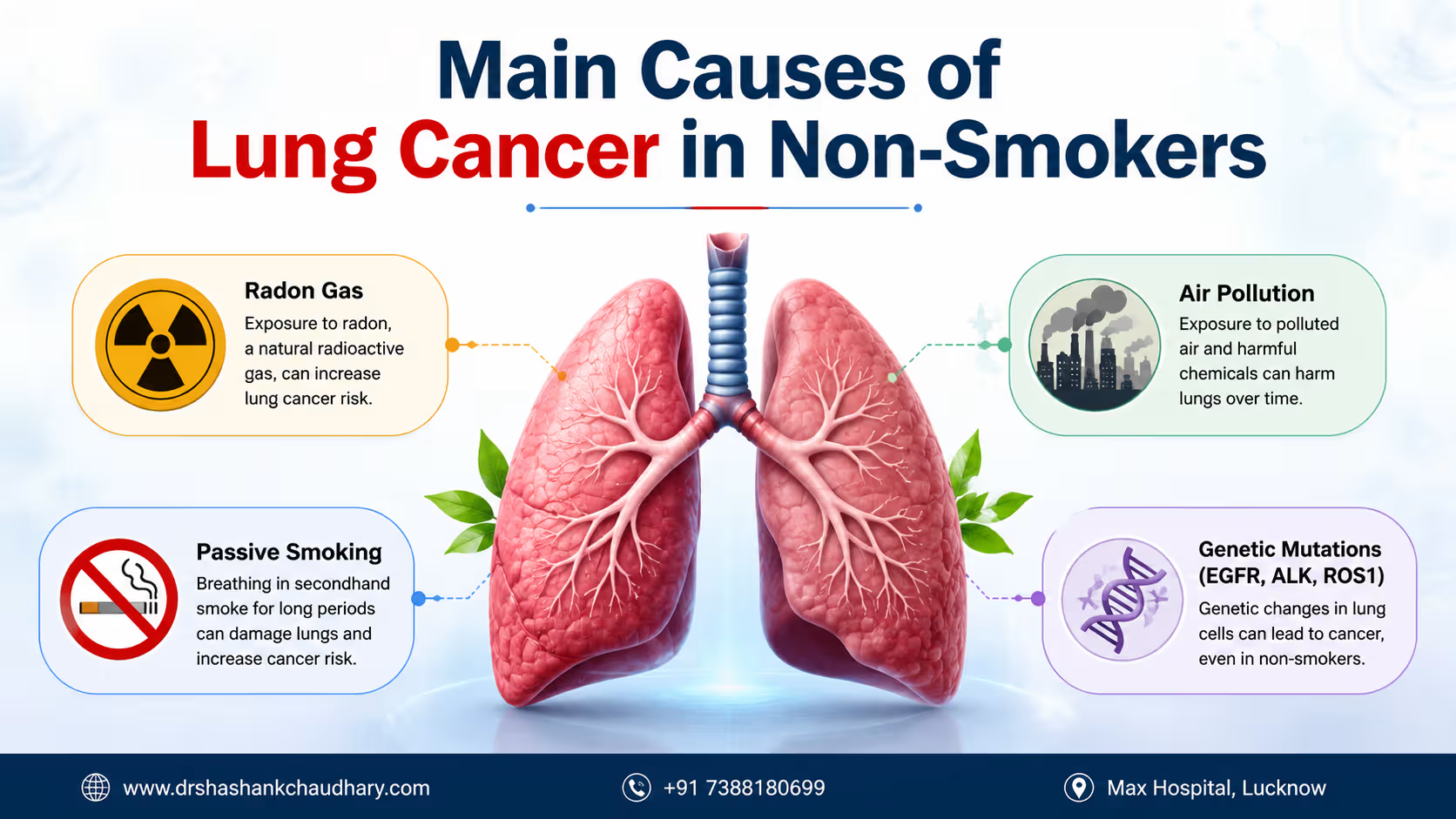
Radon Gas
Radon is a naturally occurring radioactive gas that comes from rocks and soil.
It has no smell, no color, and no taste, making it impossible to detect without testing.
Radon can accumulate inside homes, especially in poorly ventilated basements and ground floors. Long-term exposure damages lung cells and increases the risk of lung cancer.
In many countries, radon is considered the second leading cause of lung cancer after smoking.
Testing homes for radon is a simple way to reduce this risk.
Passive Smoking
Also called second-hand smoke, passive smoking happens when someone breathes in smoke from another person’s cigarettes, cigars, or pipes.
Children and adults who regularly live or work with smokers have a higher chance of developing lung cancer.
Even occasional exposure over many years can increase risk.
Creating smoke-free homes and workplaces protects everyone.
Air Pollution
Air pollution contains harmful particles and chemicals that enter the lungs with every breath.
Long-term exposure to polluted air has been linked to lung cancer, particularly in urban areas.
Common sources include:
- Vehicle exhaust
- Factory emissions
- Construction dust
- Indoor smoke from wood or coal burning
Reducing pollution exposure, wearing masks in highly polluted areas, and improving indoor ventilation may help lower risk.
Genetic Mutations: EGFR, ALK, And ROS1
Many lung cancers in non-smokers develop because of specific gene mutations.
These mutations are usually not inherited. Instead, they occur during a person’s lifetime.
Some important mutations include:
EGFR Mutation
EGFR mutations are especially common in Asian patients, women, and non-smokers with adenocarcinoma.
Patients with EGFR mutations often respond very well to targeted medicines.
ALK Rearrangement
ALK-positive lung cancer often affects younger adults who have never smoked.
Special drugs can specifically target ALK-positive tumors.
ROS1 Mutation
ROS1-positive lung cancer is less common but also responds well to targeted therapies.
Today, molecular profiling helps doctors identify these mutations and choose personalized treatment rather than using the same therapy for every patient.
What Are The First Signs Of Lung Cancer In Non-Smokers?
Lung cancer in non-smokers often develops silently. Many people do not notice symptoms until the disease has grown. This is why it is important to pay attention to changes in your health, even if you have never smoked.
The symptoms are often similar to those of common illnesses like a cold, chest infection, or asthma. If they last for more than two to three weeks, you should consult a doctor.
Common Early Symptoms
Persistent Cough
A cough that does not go away or becomes worse over time is one of the most common warning signs.
The cough may be dry or produce mucus. Some people may also cough up blood, which should always be treated as a medical emergency.
Shortness of Breath
If you become breathless while climbing stairs, walking short distances, or doing everyday activities that were previously easy, it could be due to a problem in the lungs.
Lung cancer may block the airways or cause fluid to collect around the lungs, making breathing difficult.
Chest Pain
Pain in the chest, shoulder, or back that does not improve may be another symptom.
The discomfort may become worse during deep breathing, coughing, or laughing.
Unexplained Weight Loss
Losing weight without trying can sometimes be the first sign of cancer.
Cancer cells use a large amount of the body’s energy and may also affect appetite.
Constant Fatigue
Feeling tired every day, even after getting enough sleep, should not be ignored.
Cancer-related fatigue is usually more severe than normal tiredness and does not improve with rest.
Repeated Chest Infections
Frequent episodes of bronchitis or pneumonia may happen when a tumor blocks part of the airway.
If chest infections keep returning, further investigation is necessary.
Hoarseness of Voice
A voice that becomes hoarse for several weeks may occur if the tumor affects the nerve controlling the vocal cords.
Bone Pain or Headaches
In advanced cases, lung cancer may spread to other organs, causing bone pain, headaches, dizziness, or weakness.
Important: These symptoms do not always mean you have lung cancer. However, if they persist for more than two weeks, seek medical advice. Early diagnosis offers the best chance for successful lung cancer treatment.
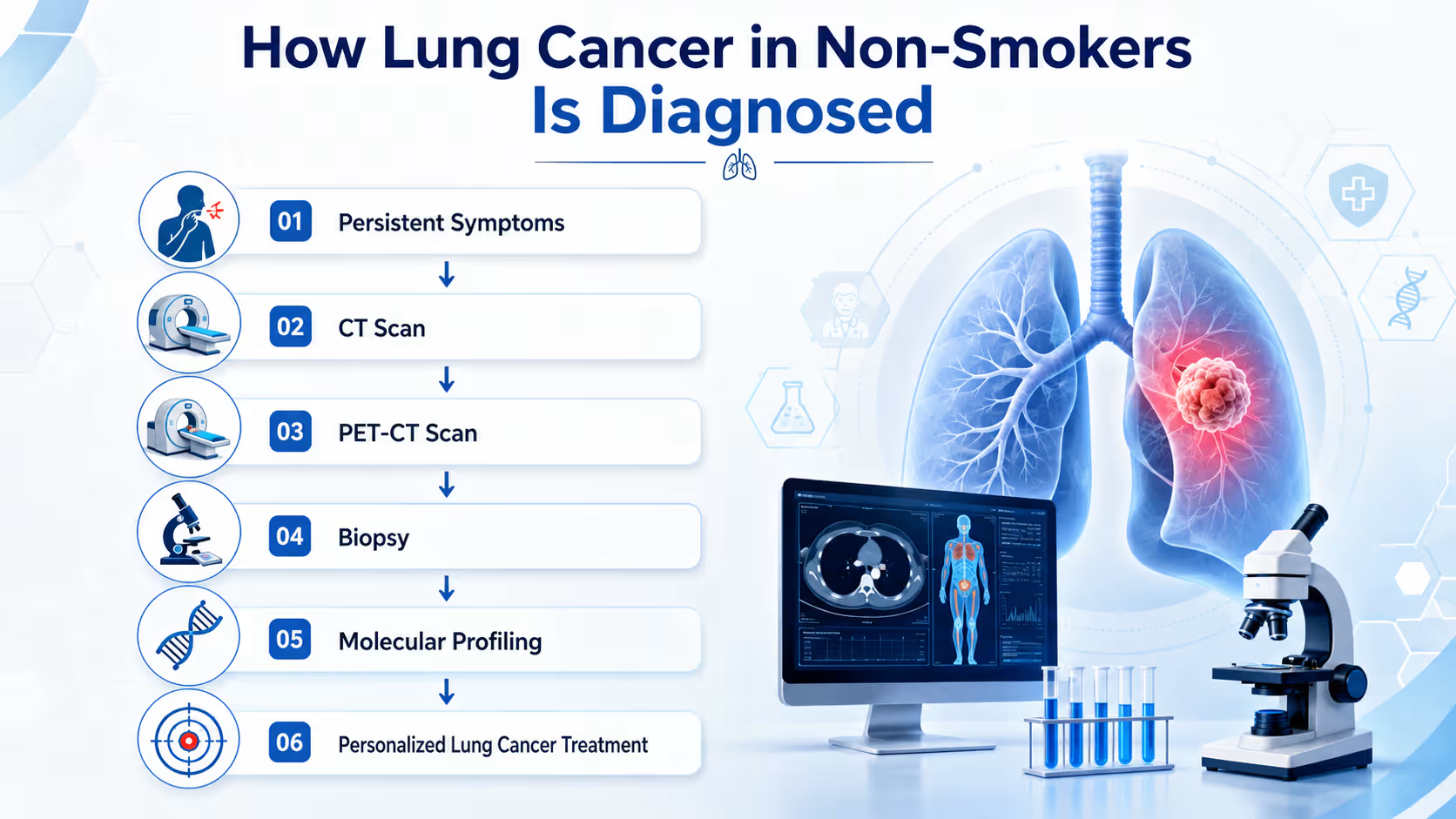
How Is Non-Smoker Lung Cancer Diagnosed?
Modern technology allows doctors to diagnose lung cancer earlier and more accurately than ever before.
The diagnosis usually involves several steps.
Medical History and Physical Examination
Your doctor will ask about:
- Your symptoms
- Family history of cancer
- Exposure to passive smoking
- Radon exposure
- Air pollution
- Workplace chemicals
- Previous lung diseases
A physical examination helps identify any signs that require further testing.
Chest X-ray
A chest X-ray is often the first imaging test.
Although it can detect large lung abnormalities, it may miss very small tumors.
CT Scan
A Computed Tomography (CT) scan provides much more detailed images than an X-ray.
It helps doctors identify:
- Small lung nodules
- Enlarged lymph nodes
- Tumor location
- Possible spread
CT scans play an important role in early diagnosis.
PET-CT Scan
A PET-CT scan shows how active the cancer cells are.
It helps determine:
- Whether the tumor is cancerous
- If cancer has spread
- The stage of the disease
This information is essential before starting lung cancer treatment.
Bronchoscopy
During bronchoscopy, a thin flexible tube with a camera is passed through the nose or mouth into the lungs.
Doctors can:
- View the airways
- Collect tissue samples
- Remove small tissue pieces for testing
Lung Biopsy
A biopsy is the only way to confirm lung cancer.
A small tissue sample is collected and examined under a microscope.
The biopsy also determines:
- Type of lung cancer
- Tumor grade
- Genetic changes
Molecular Profiling
Today, molecular profiling is one of the biggest advances in lung cancer care.
It identifies specific genetic mutations such as:
- EGFR
- ALK
- ROS1
- BRAF
- MET
- RET
- KRAS
Knowing these mutations helps doctors recommend highly personalized lung cancer treatment, often using targeted medicines instead of traditional chemotherapy.
Blood Tests
Blood tests cannot diagnose lung cancer alone, but they help assess:
- Liver function
- Kidney function
- Overall health
- Fitness for treatment
Is Non-Smoker Lung Cancer Curable?
Yes—especially when it is detected early.
The chances of cure depend on several factors, including:
- Stage of cancer
- Tumor size
- Whether it has spread
- Gene mutations
- Overall health
- Response to treatment
Stage I
When cancer is found early and remains inside the lung, surgery may completely remove it.
Many patients achieve long-term survival after treatment.
Stage II
Treatment usually includes surgery followed by chemotherapy or targeted therapy, depending on the biopsy and molecular test results.
Stage III
Locally advanced cancer often requires a combination of:
- Chemotherapy
- Radiation therapy
- Surgery (selected patients)
- Immunotherapy
Stage IV
Even if lung cancer has spread, many patients now live significantly longer because of modern targeted therapy and immunotherapy.
Patients with EGFR, ALK, or ROS1 mutations often respond exceptionally well to targeted medicines, sometimes for several years.
Every patient’s treatment plan is unique.
This is why consulting an experienced cancer specialist is important. Dr. Shashank Chaudhary, regarded by many patients as one of the best surgical oncologists in Lucknow, focuses on evidence-based, personalized treatment plans designed according to the patient’s cancer stage, genetic profile, and overall health.
How to Reduce Lung Cancer Risk: A Special Guide for Non-Smokers
Although not every case can be prevented, you can reduce your risk by following healthy habits.
Avoid Passive Smoking
Stay away from cigarette smoke whenever possible.
Ask family members not to smoke inside the house or car.
Test Your Home for Radon
If you live in an area where radon exposure is common, consider testing your home.
Improving ventilation can reduce radon levels.
Reduce Air Pollution Exposure
Try to:
- Avoid heavy traffic during peak hours.
- Wear a high-quality mask on days with poor air quality.
- Use air purifiers indoors if needed.
- Improve home ventilation.
Eat a Healthy Diet
A balanced diet supports overall health and may help lower cancer risk.
Include:
- Fresh fruits
- Green vegetables
- Whole grains
- Nuts
- Lean protein
Limit processed foods and sugary drinks.
Exercise Regularly
Aim for at least 150 minutes of moderate physical activity every week.
Walking, cycling, swimming, and yoga are excellent choices.
Avoid Harmful Chemicals
If you work around asbestos, diesel fumes, silica dust, or industrial chemicals, always use proper protective equipment and follow workplace safety guidelines.
Do Not Ignore Symptoms
Many people delay medical consultation because they believe, “I never smoked, so it cannot be lung cancer.”
This misconception often delays diagnosis.
If symptoms persist for more than two weeks, consult a qualified specialist.
Get Regular Health Check-ups
People with a strong family history of lung cancer or long-term exposure to environmental risk factors may benefit from regular health evaluations.
Discuss your personal risk with your doctor.
How Molecular Profiling Helps Personalize Lung Cancer Treatment
One of the biggest advances in modern lung cancer treatment is molecular profiling. Instead of treating every patient the same way, doctors now study the genetic makeup of the tumor to choose the most effective treatment.
A tissue sample from the biopsy is tested for specific gene changes, also called biomarkers. These biomarkers help doctors understand which medicines are most likely to work.
Why Is Molecular Profiling Important?
Molecular profiling can:
- Identify specific genetic mutations in the tumor
- Help select targeted therapy instead of standard chemotherapy when appropriate
- Reduce unnecessary treatments that may not be effective
- Improve treatment outcomes for eligible patients
- Support personalized treatment planning
This approach is especially helpful because lung cancer in non-smokers often has mutations that respond well to targeted medicines.
Common Genetic Mutations
| Genetic Mutation | What It Means | Possible Treatment Approach |
|---|---|---|
| EGFR | One of the most common mutations in non-smokers | EGFR-targeted therapy |
| ALK | More common in younger non-smokers | ALK inhibitors |
| ROS1 | Rare but treatable mutation | ROS1-targeted therapy |
| BRAF | Found in a small number of patients | Targeted therapy in selected cases |
| MET | May develop later or be present initially | MET inhibitors in eligible patients |
| RET | Less common mutation | RET-targeted medicines |
Not every patient has these mutations. That is why molecular testing is recommended whenever appropriate, especially for non-small cell lung cancer (NSCLC).
Experienced cancer specialists, including Dr. Shashank Chaudhary, carefully evaluate biopsy reports, imaging findings, and molecular test results before recommending a personalized lung cancer treatment plan. This individualized approach helps patients receive care based on the unique characteristics of their cancer rather than a one-size-fits-all strategy.
Next Steps for Your Doctor Visit
If you have symptoms that worry you or have recently been diagnosed with lung cancer, preparing for your appointment can help you make informed decisions.
Before Your Appointment
- Write down all your symptoms and when they started.
- Make a list of all medications and supplements you take.
- Gather previous medical records and imaging reports.
- Note any family history of lung cancer or other cancers.
- If possible, bring a family member or friend for support.
Questions to Ask Your Doctor
- What type of lung cancer do I have?
- What stage is my cancer?
- Will I need a biopsy?
- Should my tumor undergo molecular profiling?
- Am I eligible for targeted therapy or immunotherapy?
- What treatment options are available?
- What are the possible side effects?
- What lifestyle changes should I make during treatment?
- How often will I need follow-up visits?
Being informed helps you participate actively in your treatment decisions and improves communication with your healthcare team.
Frequently Asked Questions
1. What is the most common type of lung cancer in non-smokers?
The most common type is adenocarcinoma, a form of non-small cell lung cancer (NSCLC). It often develops in the outer parts of the lungs and is more frequently seen in women and people who have never smoked.
2. How is radon gas linked to lung cancer?
Radon is a naturally occurring radioactive gas that can accumulate inside homes. Long-term exposure can damage lung cells and increase the risk of lung cancer, even in people who have never smoked. Home radon testing is an effective way to identify and reduce this risk.
3. Can women who have never smoked develop lung cancer?
Yes. Women who have never smoked can still develop lung cancer. Factors such as genetic mutations, air pollution, passive smoking, and hormonal influences may contribute to the disease. Persistent respiratory symptoms should always be evaluated by a doctor.
4. Does lung cancer in non-smokers respond differently to treatments?
Yes. Lung cancers in non-smokers are more likely to have genetic mutations such as EGFR, ALK, or ROS1. These mutations may respond well to targeted therapies, allowing for a more personalized treatment approach.
5. What is the difference between an EGFR mutation and an ALK rearrangement?
Both are genetic changes found in some lung cancers, but they affect different genes. Patients with EGFR mutations may benefit from EGFR-targeted medicines, while those with ALK rearrangements may respond to ALK inhibitors. Molecular profiling helps identify these changes and guides treatment decisions.
Conclusion
Although smoking remains the leading cause of lung cancer, it is important to understand that people who have never smoked can also develop this disease. Factors such as radon gas, passive smoking, air pollution, and genetic mutations all play a role.
The encouraging news is that advances in lung cancer treatment have transformed patient care. Early diagnosis, accurate staging, molecular profiling, targeted therapy, immunotherapy, and minimally invasive surgery have significantly improved outcomes for many patients.
Never ignore a persistent cough, unexplained weight loss, chest pain, or ongoing breathlessness simply because you have never smoked. Seeking medical advice early can make a meaningful difference.
If you are looking for expert guidance, Dr. Shashank Chaudhary, recognized by many patients as one of the Best Oncologists in Lucknow, provides comprehensive evaluation and personalized treatment plans using the latest evidence-based approaches to cancer care.
Early diagnosis, timely treatment, and regular follow-up remain the best strategies for improving outcomes and maintaining quality of life.
References
- JAMA. Lung Cancer in Never Smokers.
https://jamanetwork.com/journals/jama/article-abstract/2840343 - Centers for Disease Control and Prevention (CDC). Lung Cancer in Non-Smokers.
https://www.cdc.gov/lung-cancer/nonsmokers/index.html - Yale Medicine. Lung Cancer in Non-Smokers.
https://www.yalemedicine.org/conditions/lung-cancer-in-nonsmokers - BBC Future. The Mystery Rise of Lung Cancer in Non-Smokers.
https://www.bbc.com/future/article/20250605-the-mystery-rise-of-lung-cancer-in-non-smokers
Disclaimer
This article is intended for educational and informational purposes only. It should not be considered a substitute for professional medical advice, diagnosis, or treatment. Every patient is unique, and treatment recommendations vary depending on individual health conditions, cancer type, stage, and other clinical factors. Always consult a qualified healthcare professional or a cancer specialist for personalized medical advice. If you experience persistent respiratory symptoms or have concerns about your lung health, seek medical evaluation without delay.