A sore throat is one of the most common health complaints, especially during seasonal infections, allergies, or changes in weather. Most sore throats improve within a few days. However, when throat discomfort continues for several weeks or is accompanied by symptoms such as hoarseness, difficulty swallowing, or a lump in the neck, it deserves medical attention.
Throat cancer is a type of head and neck cancer that can develop in the pharynx (the throat) or the larynx (the voice box). One of the biggest challenges is that its early symptoms often resemble those of common conditions like acid reflux, tonsillitis, or a viral infection. This similarity can delay diagnosis. Persistent sore throat, voice changes, swallowing problems, ear pain, neck lumps, and unexplained weight loss are among the warning signs that should not be ignored.
The good news is that recognizing symptoms early allows doctors to investigate them before the disease progresses. Modern treatment options—including surgery, radiation therapy, chemotherapy, immunotherapy, and targeted treatments—can be tailored according to the location and stage of the cancer.
What Is Throat Cancer?
Throat cancer refers to malignant tumors that arise in the tissues of the throat or voice box. Most throat cancers are squamous cell carcinomas, meaning they begin in the thin cells lining these structures.
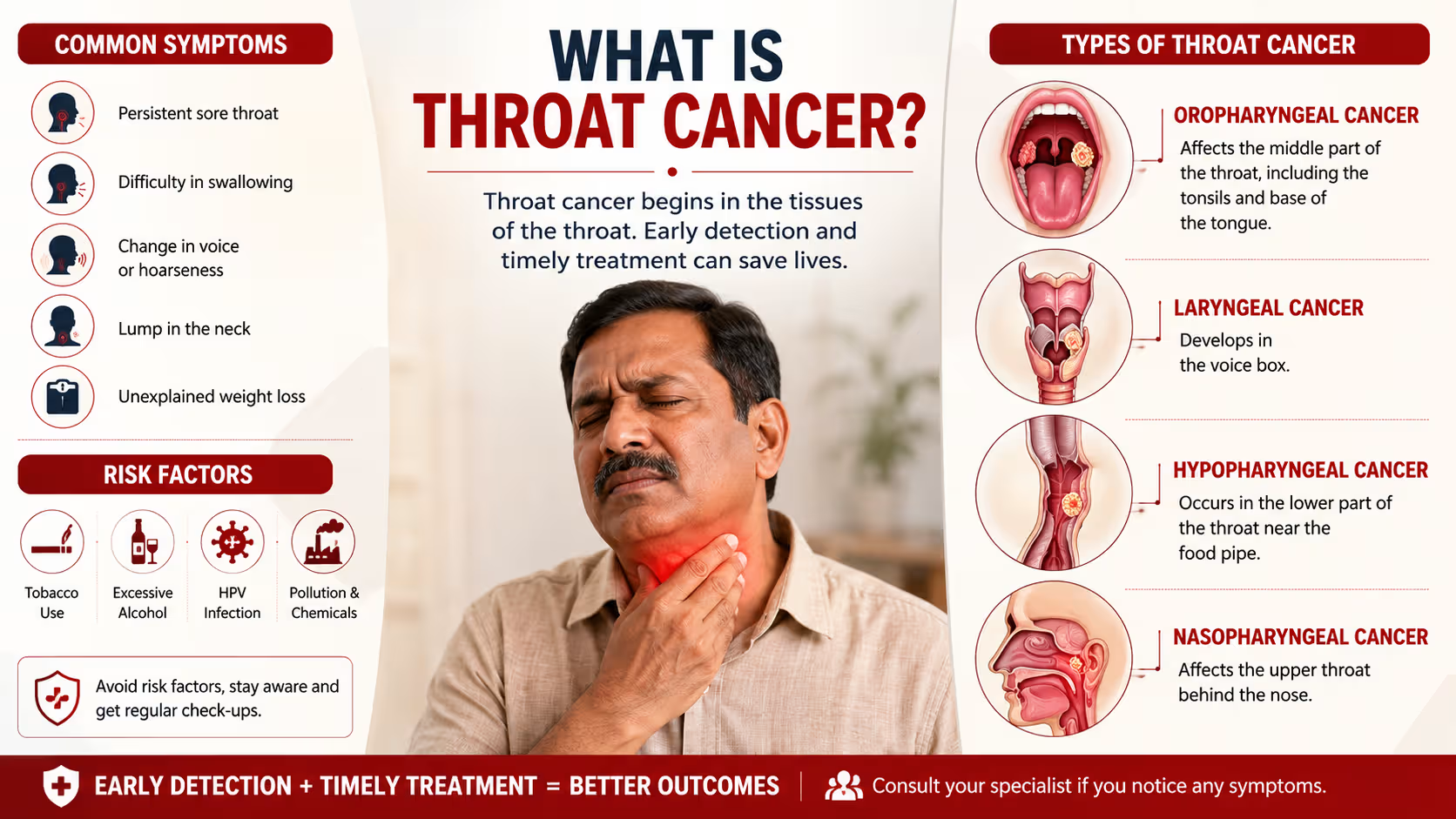
The main types include:
- Oropharyngeal cancer – affects the middle part of the throat, including the tonsils and base of the tongue.
- Laryngeal cancer – develops in the voice box.
- Hypopharyngeal cancer – occurs in the lower part of the throat near the food pipe.
- Nasopharyngeal cancer – affects the upper throat behind the nose.
The symptoms depend largely on where the tumor begins.
Why Early Detection Matters
Many patients initially assume their symptoms are caused by a cold, allergies, or acid reflux. While these are much more common explanations, symptoms that persist or gradually worsen should be evaluated.
Doctors generally recommend seeking medical assessment when throat-related symptoms last longer than about two weeks without improving, especially if they are associated with swallowing difficulty, voice changes, or a neck lump.
Early detection can help:
- Identify cancer before it spreads.
- Offer more treatment options.
- Preserve speech and swallowing function whenever possible.
- Improve the chances of successful treatment.
Throat Cancer Symptoms You Should Never Ignore
The symptoms below do not automatically mean cancer. Many benign conditions can cause the same complaints. However, persistent or unexplained symptoms should always be assessed.

Persistent Sore Throat
A sore throat caused by a viral infection usually improves within a week or two.
Warning signs include:
- Pain lasting several weeks.
- Pain that keeps returning.
- Discomfort mainly on one side.
- A sore throat that does not improve with usual treatment.
A persistent sore throat is one of the most common symptoms associated with throat cancer.
Hoarseness or Voice Changes
Changes in your voice can occur when a tumor affects the vocal cords or nearby structures.
Watch for:
- Hoarse or raspy voice.
- Weak voice.
- Voice changes lasting more than two weeks.
- Difficulty speaking clearly.
Persistent hoarseness is especially important because it can be an early symptom of laryngeal cancer.
Difficulty Swallowing
Difficulty swallowing, also known as dysphagia, may develop if a growth narrows the throat.
Symptoms include:
- Feeling that food gets stuck.
- Pain while swallowing.
- Coughing during meals.
- Avoiding solid foods because they are difficult to swallow.
Lump in the Neck
A painless lump in the neck is an important warning sign.
It may represent enlarged lymph nodes, which can sometimes be the first noticeable sign of throat cancer.
Seek evaluation if the lump:
- Persists for more than two weeks.
- Gradually increases in size.
- Feels firm.
- Is not associated with a recent infection.
Ear Pain Without an Ear Infection
Some throat cancers cause pain that travels to the ear through shared nerves.
This type of ear pain:
- Usually affects one side.
- Occurs without signs of an ear infection.
- May accompany throat discomfort or swallowing pain.
Persistent Cough
A cough caused by a cold usually improves as the infection resolves.
A persistent cough should be evaluated if it:
- Lasts several weeks.
- Is unrelated to smoking or allergies.
- Produces blood.
- Occurs along with voice changes or swallowing problems.
Unexplained Weight Loss
Weight loss can happen because swallowing becomes painful or difficult. Cancer can also affect appetite and metabolism.
Unexpected weight loss without trying should always be discussed with a doctor.
Common Throat Cancer Symptoms at a Glance
| Symptom | Common Benign Cause | When to Seek Evaluation |
|---|---|---|
| Sore throat | Cold, tonsillitis | Persists beyond 2 weeks |
| Hoarse voice | Laryngitis | Lasts more than 2 weeks |
| Difficulty swallowing | Acid reflux | Gradually worsening |
| Neck lump | Infection | Does not disappear |
| Ear pain | Ear infection | No ear infection found |
| Persistent cough | Allergy | Lasts several weeks |
| Weight loss | Diet changes | Unexplained |
The duration and persistence of symptoms are often more important than any single symptom alone.
Early Symptoms vs Advanced Symptoms
| Early Warning Signs | Symptoms That May Develop Later |
| Persistent sore throat | Severe swallowing difficulty |
| Hoarseness | Breathing problems |
| Mild swallowing discomfort | Coughing up blood |
| Small neck lump | Larger neck swelling |
| Ear pain | Significant weight loss |
| Persistent cough | Persistent fatigue |
Symptoms vary depending on the location and stage of the disease.
Who Is at Higher Risk of Throat Cancer?
Certain factors increase the risk.
These include:
- Cigarette smoking.
- Chewing tobacco.
- Excessive alcohol consumption.
- Infection with human papillomavirus (HPV).
- Long-term exposure to substances such as asbestos, wood dust, or formaldehyde.
- Poor diet with low fruit and vegetable intake.
Smoking and tobacco use remain among the strongest risk factors, while HPV has become an important cause of certain oropharyngeal cancers.
How Is Throat Cancer Diagnosed?
If symptoms persist, doctors usually follow a step-by-step approach.
Step 1: Medical History
The doctor asks about:
- Duration of symptoms.
- Smoking or tobacco use.
- Alcohol intake.
- Previous medical conditions.
- Family history.
Step 2: Physical Examination
The doctor examines:
- Mouth.
- Throat.
- Tongue.
- Neck lymph nodes.
Step 3: Flexible Laryngoscopy
A thin camera is passed through the nose to examine the throat and voice box.
This helps identify:
- Abnormal growths.
- Swelling.
- Vocal cord movement.
Step 4: Imaging Tests
Depending on the findings, imaging may include:
- CT scan.
- MRI.
- PET-CT scan.
These tests help determine the size of the tumor and whether it has spread.
Step 5: Biopsy
If an abnormal area is found, a small tissue sample is removed.
The biopsy confirms whether cancer is present and identifies the type of cancer.
This step-by-step approach helps doctors accurately diagnose the disease and plan the most appropriate treatment.
Treatment Options for Throat Cancer
Treatment depends on several factors, including:
- Exact location of the cancer.
- Size of the tumor.
- Whether lymph nodes are involved.
- Overall health of the patient.
Possible treatments include:
Surgery
Surgery may remove the tumor while preserving as much normal function as possible. In selected patients, minimally invasive techniques may be used.
Many patients looking for the best Oncologist in Lucknow seek a specialist experienced in head and neck cancer surgery because treatment decisions often require balancing cancer removal with preservation of speech and swallowing.
Radiation Therapy
Radiation uses high-energy beams to destroy cancer cells. It may be used alone or after surgery.
Chemotherapy
Chemotherapy uses medicines that travel through the bloodstream to attack cancer cells.
Immunotherapy and Targeted Therapy
For certain advanced cancers, newer treatments such as immunotherapy or targeted medicines may be appropriate.
The treatment plan is usually created by a multidisciplinary team that includes surgeons, radiation oncologists, medical oncologists, radiologists, and pathologists.
What Should You Do If You Notice These Symptoms?
Follow this simple approach:
Step 1: Note how long the symptom has been present.
Step 2: Check whether it is improving or getting worse.
Step 3: Look for additional symptoms such as neck swelling, swallowing problems, or voice changes.
Step 4: If symptoms continue beyond two weeks, arrange a medical evaluation.
Step 5: If a neck lump, coughing up blood, or significant swallowing difficulty develops, seek medical assessment promptly.
Avoid repeatedly treating persistent symptoms with antibiotics or home remedies without understanding the cause.
Can Throat Cancer Be Prevented?
Not every case can be prevented, but several lifestyle changes can reduce the risk.
These include:
- Avoid smoking.
- Do not use chewing tobacco.
- Limit alcohol consumption.
- Consider HPV vaccination according to medical recommendations.
- Eat a diet rich in fruits and vegetables.
- Seek evaluation for persistent throat symptoms.
Frequently Asked Questions About Throat Cancer Symptoms
Is a sore throat usually throat cancer?
No. Most sore throats are caused by infections, allergies, or acid reflux. However, a sore throat that does not improve after several weeks should be evaluated.
What is often the first sign of throat cancer?
The first symptom varies depending on where the cancer begins. Persistent hoarseness may occur with laryngeal cancer, while a painless neck lump or difficulty swallowing can be an early sign of oropharyngeal cancer.
Can throat cancer cause ear pain?
Yes. Pain may travel from the throat to the ear through shared nerves, even when the ear itself is healthy.
How long should hoarseness last before seeing a doctor?
If hoarseness continues for more than two weeks without a clear explanation, it is advisable to seek medical evaluation.
Does a neck lump always mean cancer?
No. Neck lumps can occur because of infections or other benign conditions. However, a lump that persists or enlarges should be examined.
When Should You See a Specialist?
Arrange a medical consultation if you have any of the following:
- Sore throat lasting more than two weeks.
- Persistent hoarseness.
- Difficulty or pain while swallowing.
- A painless lump in the neck.
- Ear pain without an ear infection.
- Persistent cough.
- Unexplained weight loss.
These symptoms are not proof of cancer, but they deserve proper evaluation rather than being ignored.
Final Thoughts
Most throat symptoms are caused by common and treatable conditions. However, persistent symptoms should never be dismissed simply because they seem minor. Throat cancer often begins with signs that resemble everyday illnesses, making awareness especially important.
If you have a sore throat that does not go away, a voice change that persists, difficulty swallowing, or a neck lump, timely medical evaluation can help determine the cause and, if necessary, begin treatment at an earlier stage.
If you are searching for the best Surgical Oncologist in Lucknow for evaluation or treatment of suspected throat or head and neck cancer, consulting an experienced cancer specialist can help you understand your diagnosis and discuss the most appropriate treatment options.
Consult Dr. Shashank Chaudhary
If you or a loved one has persistent throat symptoms or has been diagnosed with throat cancer, schedule a consultation with Dr. Shashank Chaudhary, an experienced cancer surgeon in Lucknow.
Dr. Shashank Chaudhary provides comprehensive evaluation and treatment planning for head and neck cancers, with a focus on personalized care and evidence-based treatment.
Don’t ignore symptoms that persist. Early evaluation can make an important difference in diagnosis and treatment planning.
Book a consultation with Dr. Shashank Chaudhary at Max Hospital, Lucknow, or call +91 7388180699 to discuss your concerns.
This article is intended for general health education and does not replace an in-person medical consultation, diagnosis, or treatment by a qualified healthcare professional.